
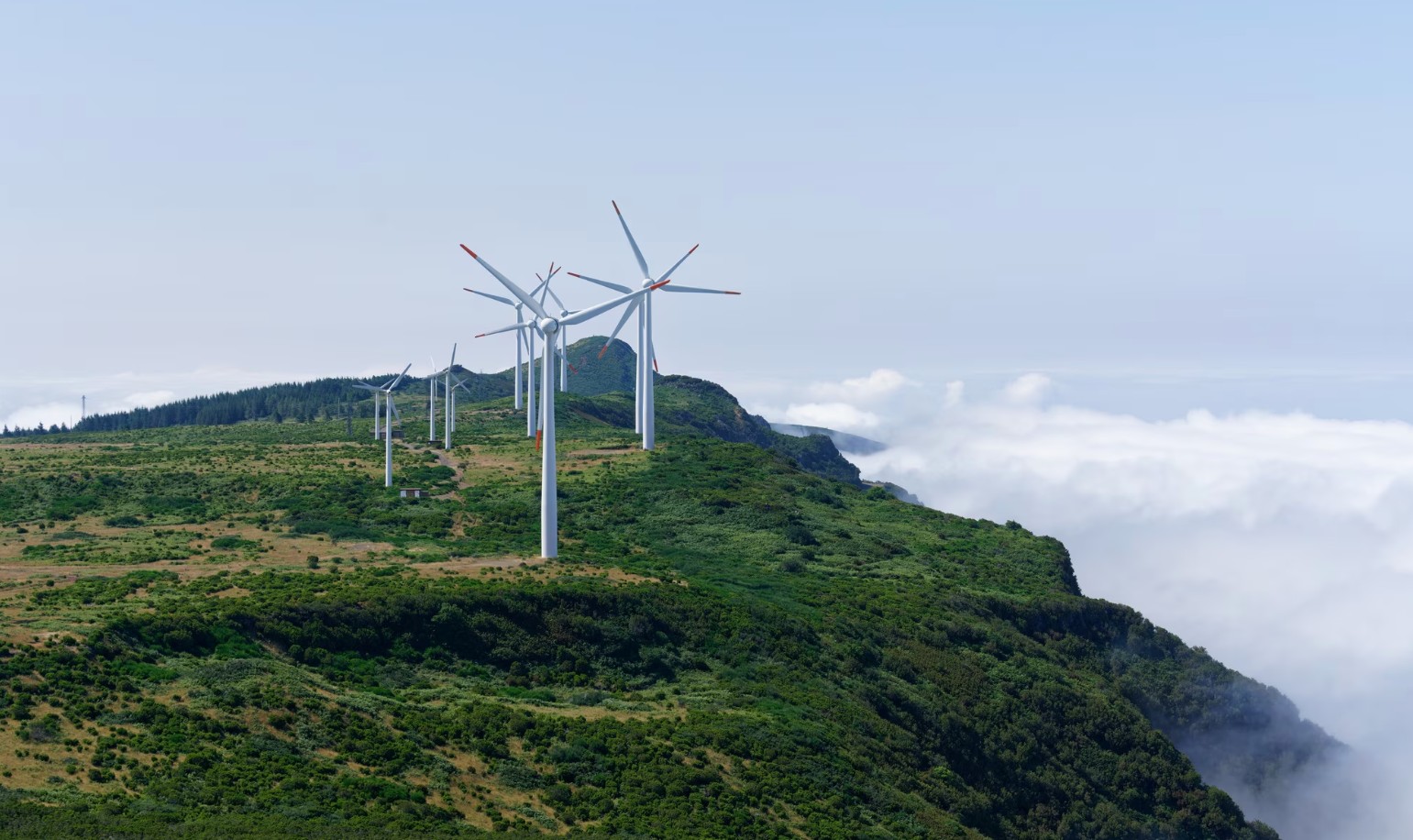
Photo: Freepik (For illustration purpose only)
Energy Asia 2025: Can the region’s leaders deliver on net-zero promises?

KUALA LUMPUR: As countries all over Asia lay down climate-related strategies and clean energy initiatives, issues like international trade pressures and financing gaps continue to hamper development. Enter Energy Asia 2025, a prestigious event intended to turn dialogue into action.
According to a recent South China Morning Post (SCMP) report, Energy Asia 2025 is slated to take place on June 16 to 18 at the Kuala Lumpur Convention Centre. The forum, hosted by Malaysia’s national energy corporation Petronas, assembles leaders from government, industry, and finance. With the theme “Delivering Asia’s Energy Transition”, it vows to provide joint solutions for sustainable energy conversion while aligning environmental objectives with economic advancement.
Asia’s energy conversion efforts are now in progress. Nations such as China and India have amplified renewable infrastructure at a record pace. China’s non-fossil energy consumption has increased to 17.9% in 2023, while India is heading in the right direction, with solar contributing 30% of its power mix by 2040. Japan has focused on hydrogen, with approximately 25% of global hydrogen-related patent tenders between 2011 and 2020.
Meanwhile, Malaysia’s National Energy Transition Roadmap (NETR) has delineated 10 major undertakings and an upcoming Climate Change Act to back decarbonisation. Thus far, even with these national-level ventures, regional development remains bumpy due to a lack of investment and scrappy policy agendas.
Energy Asia 2025 aims to respond to these gaps by nurturing a comprehensive and impartial conversion strategy, particularly for developing economies in Southeast Asia.
A huge difficulty in Asia’s energy evolution is funding. The Asian Development Bank projects that the region needs US$210 billion per annum to meet climate-related goals. But, between 2015 and 2022, it only attracted US$8.1 billion annually in green investment, nowhere near what’s adequate.
In 2024, a Multi-Stakeholder Dialogue hosted by Energy Asia summoned 22 CEOs from different sectors to probe into possible solutions. One takeaway - although technologies like hydrogen and solar have potential, investors from the private sector are cautious of low revenues and regulatory uncertainties.
Newsletter
Get updates straight to your inbox
Energy Asia 2025 will open with an important speech from Malaysian Prime Minister Anwar Ibrahim, then a sequence of Leadership Dialogues will follow, including gatherings led by Petronas CEO Tengku Muhammad Taufik.
Distinguished speakers include Andrea Della Mattea, president of Microsoft ASEAN; Muqsit Ashraf, group chief executive of Accenture Strategy; and Mansoor Mohamed Al Hamed, CEO of Mubadala Energy.
As governments and businesses assemble in Kuala Lumpur, the objective is clear — build agreement, unlock capital, and fast-track Asia’s clean energy conversion. With regional arrangements and more robust public-private partnerships, Asia may be able to reach its own net-zero goals while simultaneously leading the global energy transformation.