
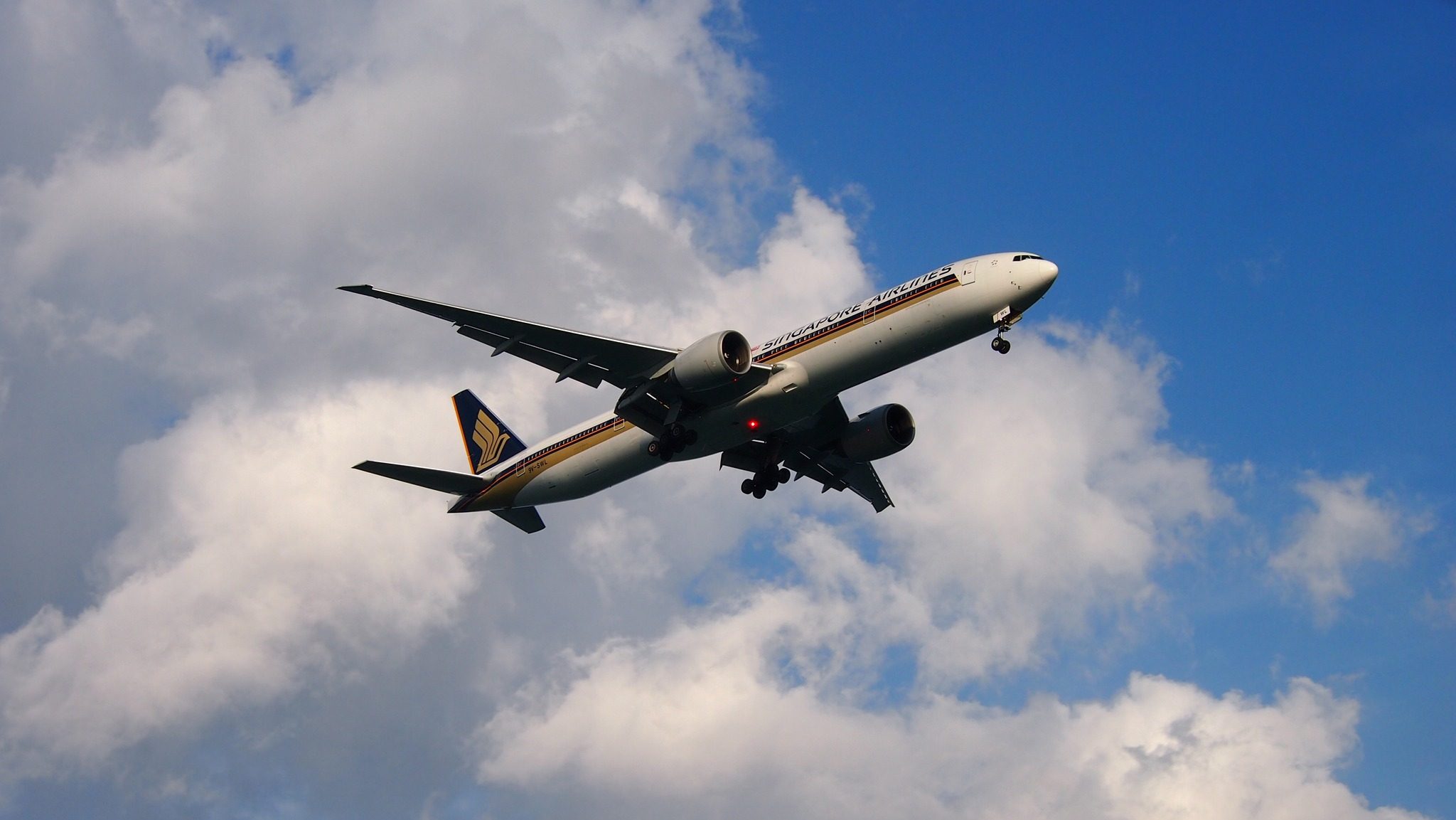

AUSTRALIA: Australian experts have proposed a new theory suggesting that a “thunderstorm” is to blame for the SQ321 incident that led to the death of a man and injuries to dozens of passengers.
On May 20, Singapore Airlines flight SQ321 was forced to make an emergency landing in Bangkok following a severe “altitude drop,” causing chaos within the cabin.
While Singapore Airlines attributed the incident to “extreme turbulence,” a group of experts representing many passengers in a legal class action for compensation suggested otherwise. They believe the aircraft flew through the top of a thunderstorm.
Their investigation revealed that the flight came dangerously close to a thunderstorm, traversing an area notorious for such activity in the Intertropical Convergence Zone.
According to News.com.au, Peter Carter, the director of Carter Capner who initiated the class action, argues that this theory challenges the perception that the incident was an unavoidable “freak accident.”
“It was avoidable,” he stated to News.com.au.
According to Mr Carter, “It’s the wrong conclusion to come to just on an interim basis. The working theory should really be that it was a storm unless proved otherwise, and it’s created a heightened fear of about flying experience, which is misplaced.”
Supporting this view, Ron Bartsch, former head of safety at Qantas and chair of Avlaw aviation consulting, also questioned the idea of the event being a rare accident.
He noted that the pilot had activated the seat belt sign before the incident, implying that the crew had detected something on the radar.
“To me, it very much suggests that it was something that was visible on the radar. There must have been some indication that something was happening,” Mr Bartsch said.
Mr Bartsch added that experienced pilots typically avoid such storm-prone areas or reduce the aircraft’s speed to minimise cabin injuries.
On June 11, Singapore Airlines announced that it offered passengers with minor injuries aboard the turbulent SQ321 flight US$10,000 (S$13,500).
For those with serious injuries, “we have invited them to discuss a compensation offer to meet each of their specific circumstances when they feel well and ready to do so,” SIA said. /TISG
Read also: SIA turbulent flight passengers suffering spinal and brain injuries could seek 8-figure payouts
 Follow Google News
 Join us on WhatsApp
 Follow us on Telegram