
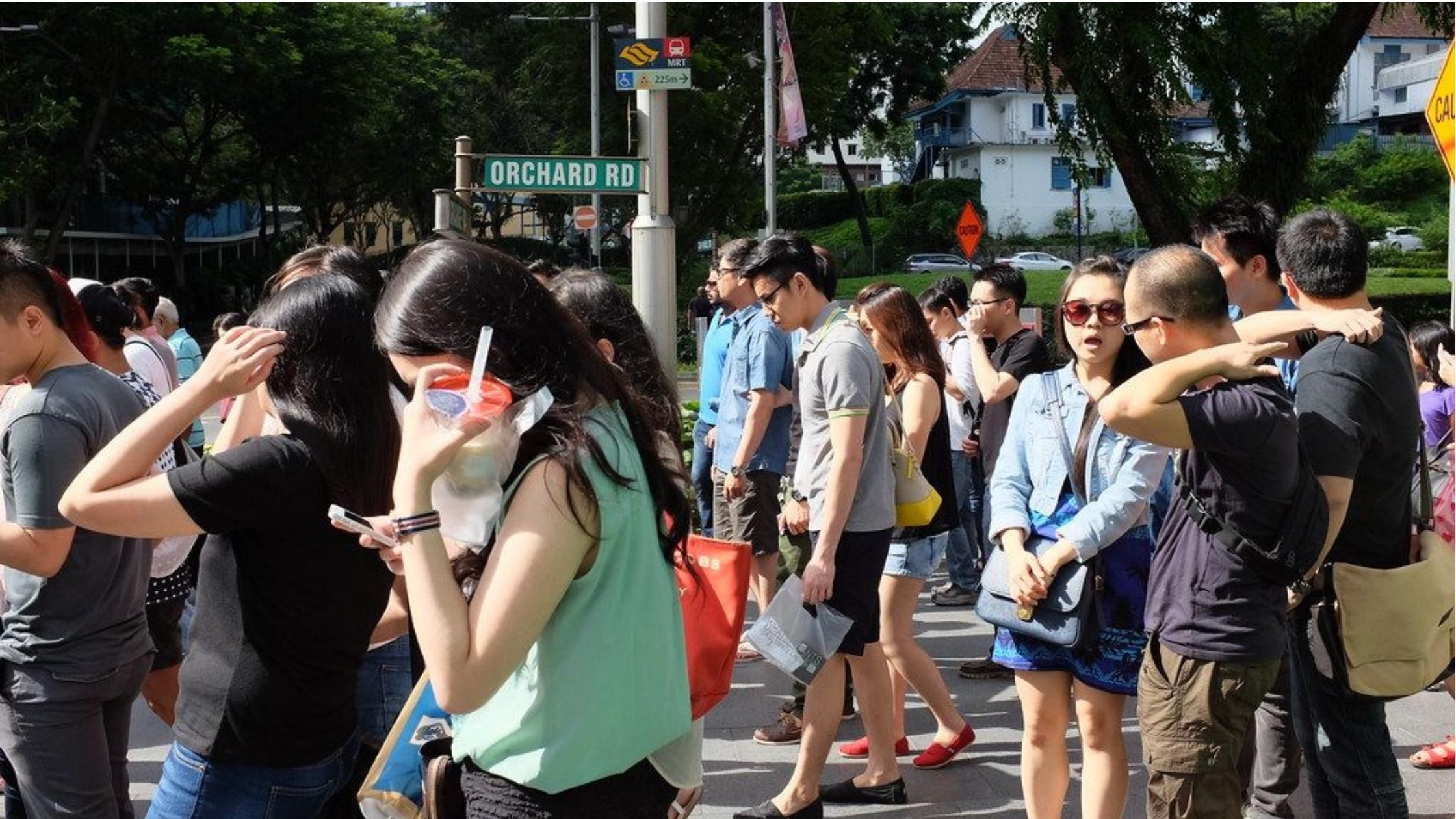
About 75% of Singapore women and 85% of Singapore men in their 20s remain single as concern over TFR deepens

SINGAPORE: More Singapore residents in their 20s and 30s are remaining single, according to the latest findings from the Department of Statistics (DOS), with the trend becoming more pronounced over the past five years.
The figures, released in the General Household Survey 2025 on June 30, showed that the proportion of singles increased across several younger age groups between 2020 and 2025.
Among resident women aged 25 to 29, 73.4 per cent were single in 2025, up from 69 per cent five years earlier. The increase was also seen among men in the same age group, with the share of singles rising from 81.6 per cent in 2020 to 85.9 per cent in 2025.
For men, the largest increase in singlehood was recorded among those aged 30 to 34. Nearly half, or 47.6 per cent, were single in 2025, compared with 41.9 per cent in 2020.
The survey also found that remaining single and marrying later continued to be more common among Chinese residents than among their Malay and Indian counterparts.
Among residents aged 30 to 39, 38 per cent of Chinese men and 30.7 per cent of Chinese women were single in 2025. These proportions were higher than those recorded for Malays and Indians within the same age group.
Educational attainment was also linked to different patterns of singlehood for men and women in their 40s.
Among resident men aged 40 to 49, those with lower educational qualifications were more likely to be single. In 2025, 18.9 per cent of men with secondary education or below had never married, compared with 13.8 per cent of those with university qualifications.
The trend was reversed among women. Resident women aged 40 to 49 with university degrees were more likely to be single than those with lower educational qualifications. The survey found that 16.5 per cent of university-educated women in this age group were single, compared with 9.6 per cent of women whose highest qualification was secondary education or below.
The findings come against the backdrop of Singapore's record-low total fertility rate (TFR), which fell to 0.87 in 2024, far below the replacement rate of 2.1 needed for a population to replace itself without immigration.
Despite the rise in singlehood, married couple households with children remained the most common household arrangement in Singapore. Such households accounted for 47.6 per cent of all resident households in 2025, although this represented a slight decline from 50.4 per cent in 2020.
The survey also highlighted a continuing shift towards dual-income families.
More than half of married couples were made up of two working spouses in 2025, with the proportion of dual-career households increasing from 52.5 per cent in 2020 to 56.6 per cent.
Newsletter
Get updates straight to your inbox
At the same time, households in which only the husband was employed became less common.
The increase in dual-career couples was observed across every age group, but the growth was particularly notable among couples aged 35 to 49 and those aged 50 to 64.
The General Household Survey is conducted by the Department of Statistics between population censuses to provide an overview of demographic, family and household trends in Singapore. The previous edition was released in 2015, while the country's most recent population census was conducted in 2020.
While the survey does not establish a direct link between rising singlehood and falling birth rates, the increase in the number of young adults remaining unmarried is likely to add to concerns over the country's long-term demographic outlook, as births in Singapore continue to occur predominantly within marriage.