
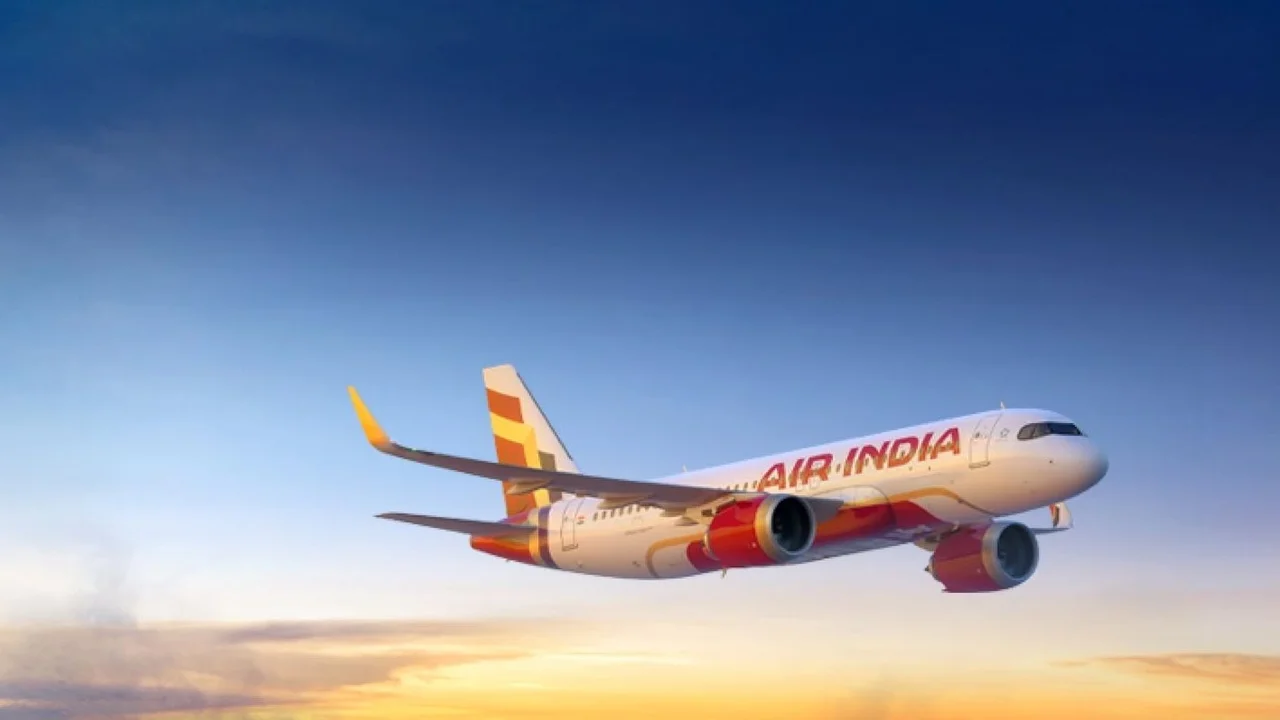

SINGAPORE: In a Facebook post earlier this week, Ho Ching commented on the issue of the additional US$1.5 billion (S$1.9 billion) that Air India was asking of Tata Sons and Singapore Airlines (SIA), which own the carrier. Air India has seen substantial losses, and SIA’s 25.1% stake in Air India is facing scrutiny in Singapore. The turnaround, moreover, may take about a decade.
In her post, Mdm Ho, the wife of Senior Minister Lee Hsien Loong and the former director of Temasek Holdings, provided a historical and strategic defence of SIA’s involvement in Air India.
She began by writing about how Air India had been a premium brand long before SIA even existed, having started as Tata Air Services in 1932.
“Legendary JRD Tata personally would roll up his sleeves to clean the toilets if he found them wanting. His exacting standards set the tone not just for service discipline,” she wrote, adding that passengers quickly began preferring the carrier over its rivals.
However, its fortunes and reputation changed decades later. First, the Indian government nationalised the carrier, which had been renamed Air India. For a while, the Tata Group still managed the carrier, and things remained good. When privately owned airlines were nationalised, including Air India, “it was the route to disaster,” Mdm Ho wrote.
JRD Tata later stepped down as Air India’s chairman, and the carrier continued on a downward trend financially and standards-wise.
Ratan Tata, who succeeded JRD, had worked in Singapore and had many friends in the city-state.
When airlines in India were allowed to be privately owned again, Mr Ratan, who was “eager and ambitious for the Tata group to recover this previous jewel… most wanted SIA as his partner, the student who had turned in an excellent set of results and surpassed its former role model.”
SIA became the owner of about 25.1% of Air India in November 2024.
Mdm Ho added that “running an airline is never an easy business because it is a heavily regulated business that is not purely market-driven.”
She noted, however, that “SIA is clear-minded and clear-headed” and receives no handouts from the Singapore government.
Unlike other countries, Singapore allows substantial foreign competition and foreign airlines have access to the Singapore market. In a competitive atmosphere, SIA has grown and shone, establishing itself as among the best in the world.
“No free lunch,” she added.
What Singaporeans are asking
Her post has been shared numerous times, but commenters on her page have questions.
“No one is really interested in corporate past glories. What we are interested in is how SIA will move from here to turnaround AI and how to navigate reform to make it profitable and at what cost without sinking deeper? ”one asked.
“Not forgetting SIA only has a 25.1% minority stake in Air India. How to transform Air India without management control and oversight?” wondered another.
“If, since 2022, Air India could not turn itself around, while SIA was able to come out of Covid and be profitable, why is SIA still looking at pumping in $2B into a company that could not manage it on its own?” a third asked.
One wrote, “What business decision prompted SQ to make the investment in Air India?”
A Facebook user had a whole slew of questions: “How to run Air India as a profitable airline? Possible? Impossible? What is the break-even point with how many seats, planes, and flights, cost per flight hour per seat, and the workable load factors? What are the SWOTs of AI?”
“Agree there is no free lunch. The question is how much and how many rounds of funding Air India needs from its shareholders before it can turn around?” another wanted to know. /TISG
Read also: Workers’ Party MP Kenneth Tiong: Singaporeans do not owe Air India a living
 Follow Google News
 Join us on WhatsApp
 Follow us on Telegram