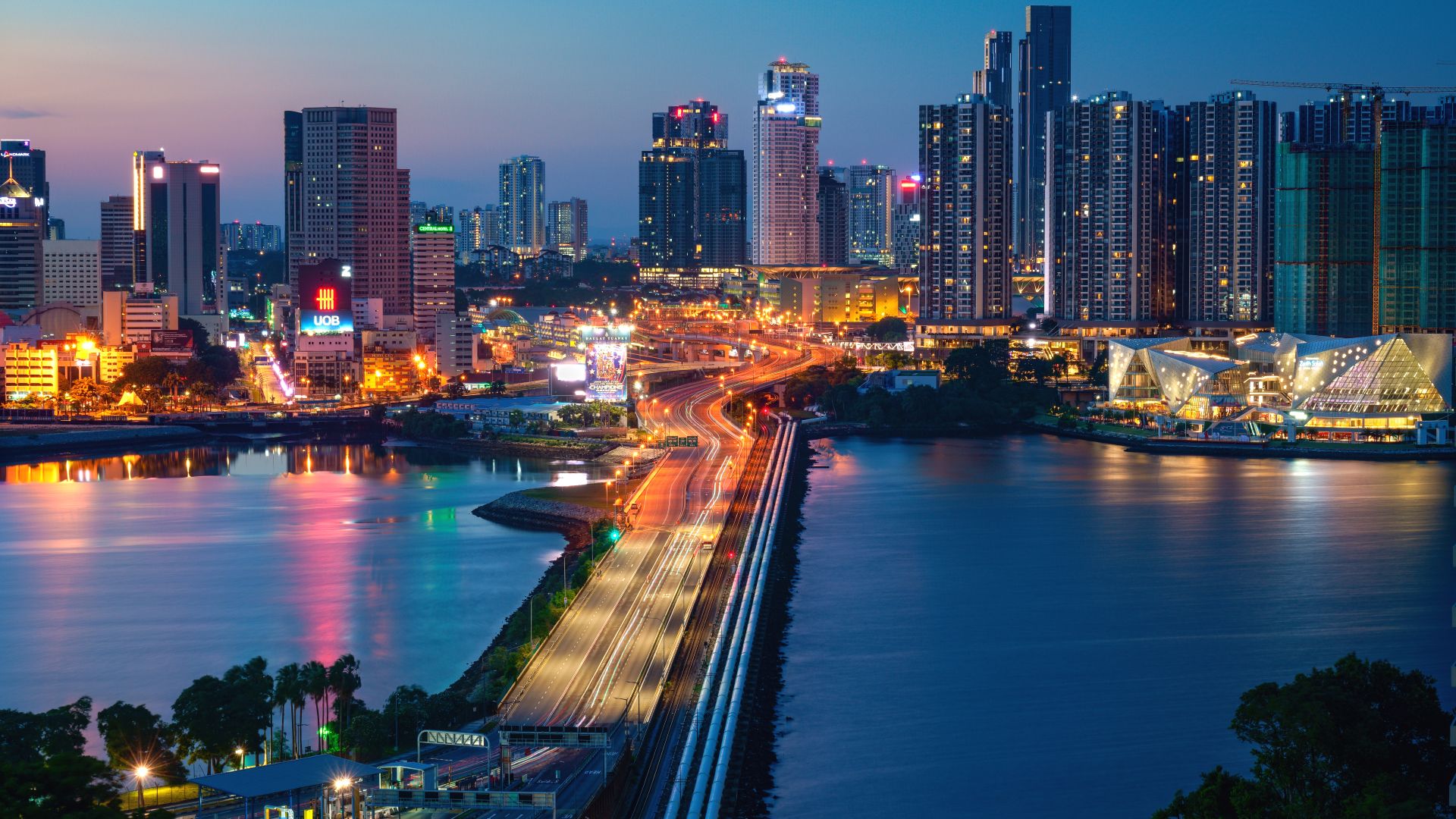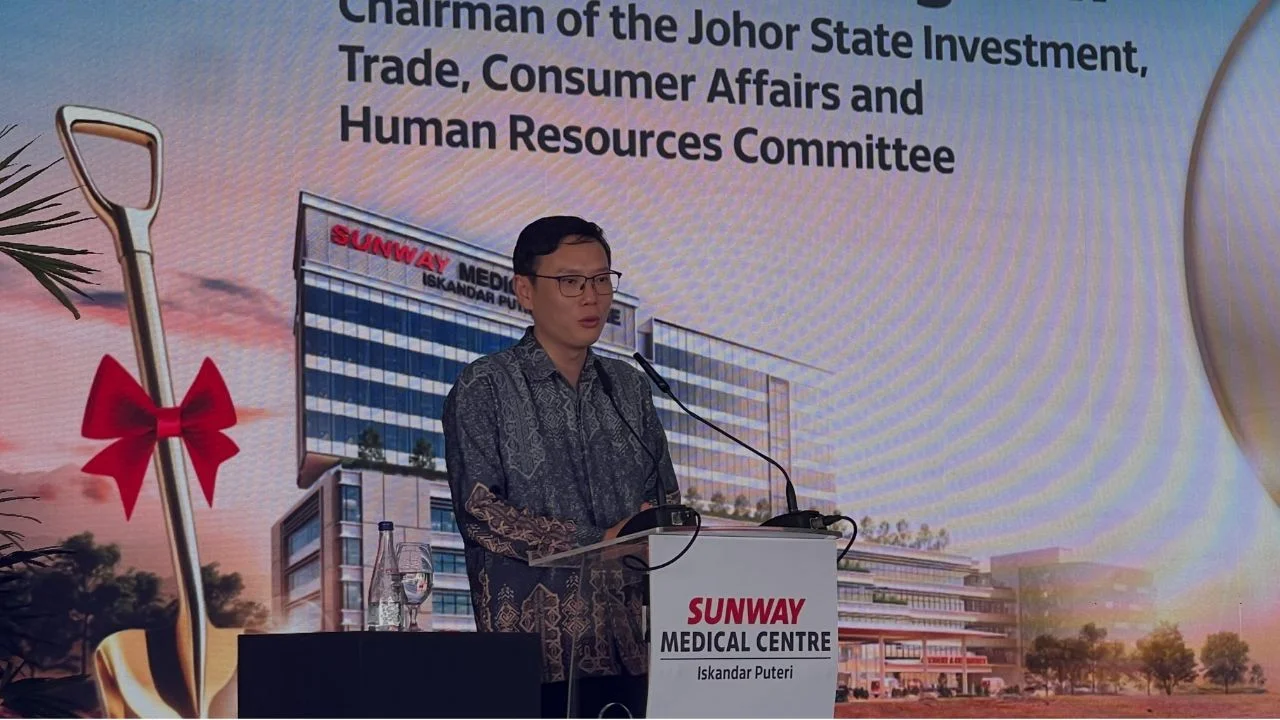
SINGAPORE/MALAYSIA: Some Singapore businesses will face tougher competition as economic links with Malaysia deepen, but President Tharman Shanmugaratnam believes the bigger picture is one of shared success.

Speaking at the end of his four-day state visit to Malaysia, Mr Tharman said projects such as the Johor-Singapore Special Economic Zone (JS-SEZ) and the Johor Bahru-Singapore Rapid Transit System (RTS) Link would create winners on both sides of the Causeway, even if some businesses lose customers along the way.

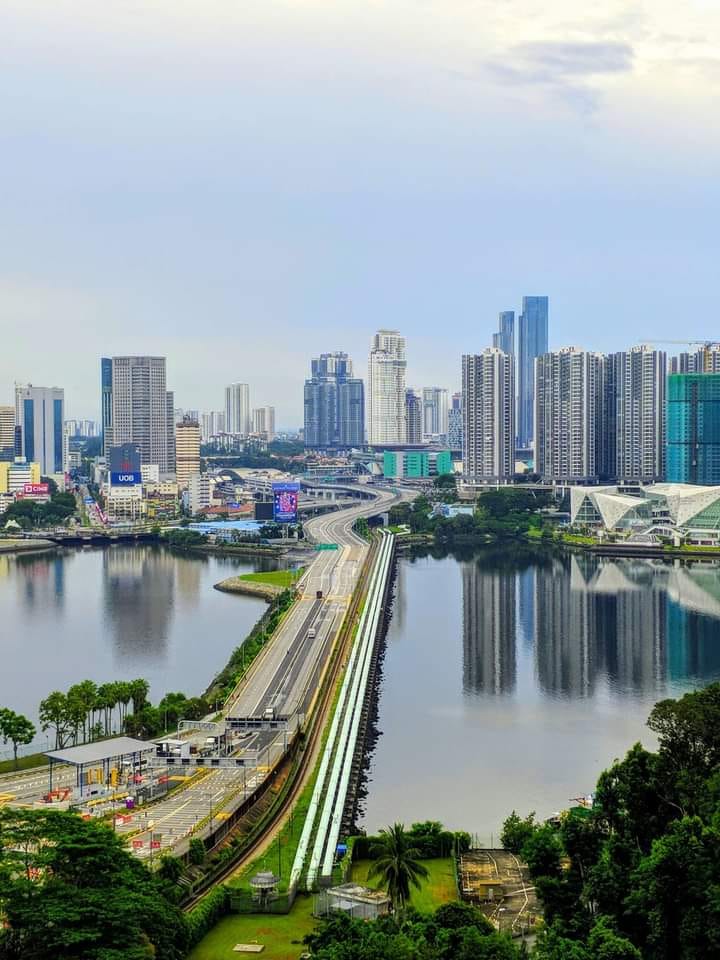
The Singapore President made his remarks as businesses prepared for the RTS Link to begin operations in January 2027, making travel between Woodlands and Johor Bahru much faster and easier, Channel NewsAsia (CNA) reported (July 15).
President urges focus on long-term gains over short-term losses
Mr Tharman acknowledged that some Singapore service businesses would be affected as people and businesses move more freely between the two countries.
Instead of avoiding those trade-offs, the President said that both countries should accept that a stronger partnership brings overall gains, even if certain sectors face greater pressure. He described this as a mature way of viewing the bilateral relationship.
The JS-SEZ, launched in 2025, is designed to encourage investment, improve talent movement and expand cross-border business activity between Singapore and Johor.
Singapore and Malaysia share the push for a stronger ASEAN economy
Beyond bilateral projects, Mr Tharman said Singapore and Malaysia see eye to eye on many regional priorities. He said ASEAN has the potential to become a major centre for green energy, digital infrastructure and processing power.
Working together in these fields would strengthen every member country’s interests, especially as global tensions reshape trade and investment.
Mr Tharman also said both countries share similar positions on maintaining open global trade, supporting international maritime law under the United Nations Convention on the Law of the Sea (UNCLOS), and keeping the Straits of Malacca and Singapore open for safe navigation without tolls or fees.
Singapore and Malaysia want to keep strong ties with both the United States and China while also expanding links with other regions instead of being forced to choose between rival geopolitical blocs, Mr Tharman added.
Singapore shares expertise with Selangor on urban development
During the visit, Mr Tharman also met leaders in Selangor, including Sultan Sharafuddin Idris Shah, Crown Prince Tengku Amir Shah, and Selangor Chief Minister Amirudin Shari.
Their discussions covered vocational education, flood management and lessons from Singapore’s experience in cleaning up the Singapore River. Mr Tharman also noted that Singapore companies continue to invest in Selangor, citing SIA Engineering’s aircraft maintenance operations in Subang.
The President also held talks with Malaysia’s King, Sultan Ibrahim Sultan Iskandar, and Prime Minister, Datuk Seri Anwar Ibrahim, discussing food security, energy cooperation, economic ties, and global developments.
Student exchanges and internships could deepen cross-border ties
Looking beyond infrastructure and trade, Mr Tharman said stronger people-to-people ties would make the partnership even more durable.
He suggested expanding student exchanges, internships and entrepreneurship programmes so young Singaporeans and Malaysians have more chances to live, study and work together. He also encouraged greater collaboration in the arts to help younger generations appreciate the two countries’ shared cultural heritage.
Closer economic ties will always create winners and losers in individual industries. What matters is whether the partnership leaves both countries stronger over time. If businesses, workers and governments can adapt to new opportunities instead of resisting change, the benefits of deeper Singapore-Malaysia integration could extend well beyond trade.