

SINGAPORE: Singapore has opened its first purpose-built residence for Chinese bus drivers, bringing nearly 200 drivers from China within a short walk of their workplace instead of a daily commute across the island.
The eight-storey building, named SQ@Sengkang West, sits beside the Sengkang West Bus Depot and offers 234 beds across 39 apartments, designed to give drivers more time to rest while providing modern shared living spaces close to where they begin and end their shifts.
Accommodation is provided free under SBS Transit employment terms, although residents pay their own utility bills. The facility is managed by co-living operator Coliwoo, Channel NewsAsia (CNA) reported (June 29).
Staying closer to work means more time to enjoy life
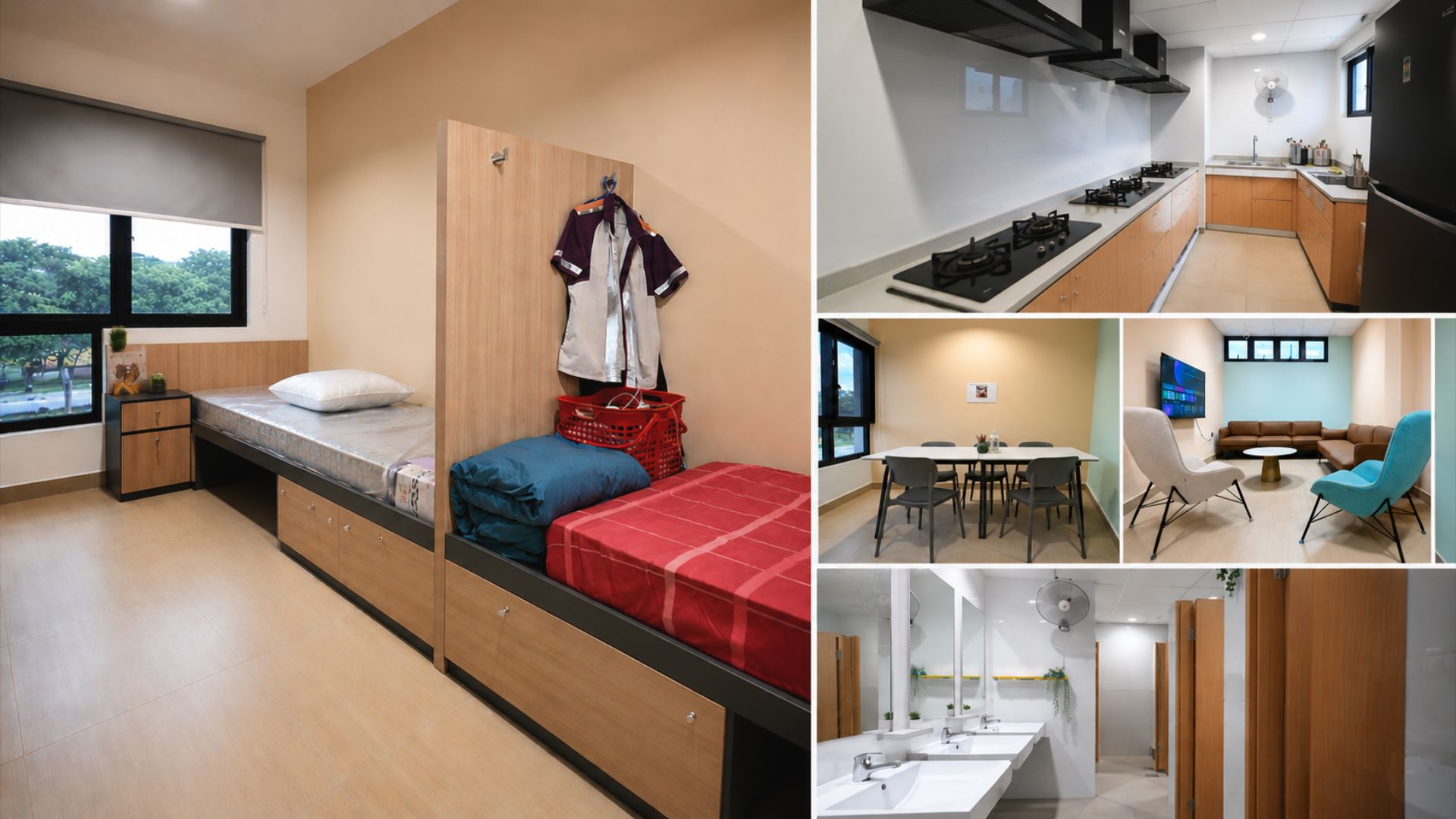
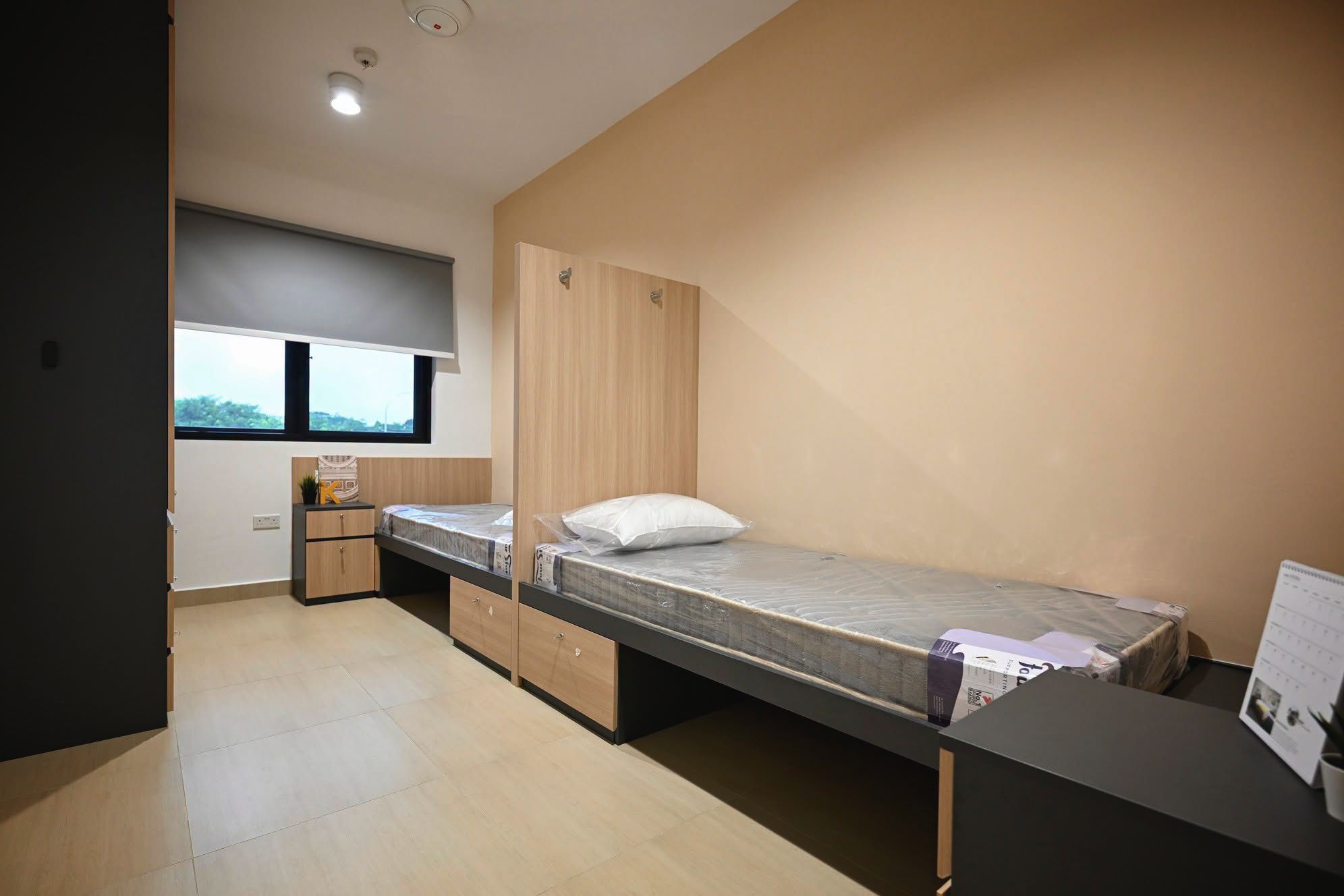
Each apartment houses up to six residents across three bedrooms and includes a shared kitchen, dining area and laundry space. Bedrooms are twin-sharing and fitted with air conditioning, ceiling fans, and built-in storage.
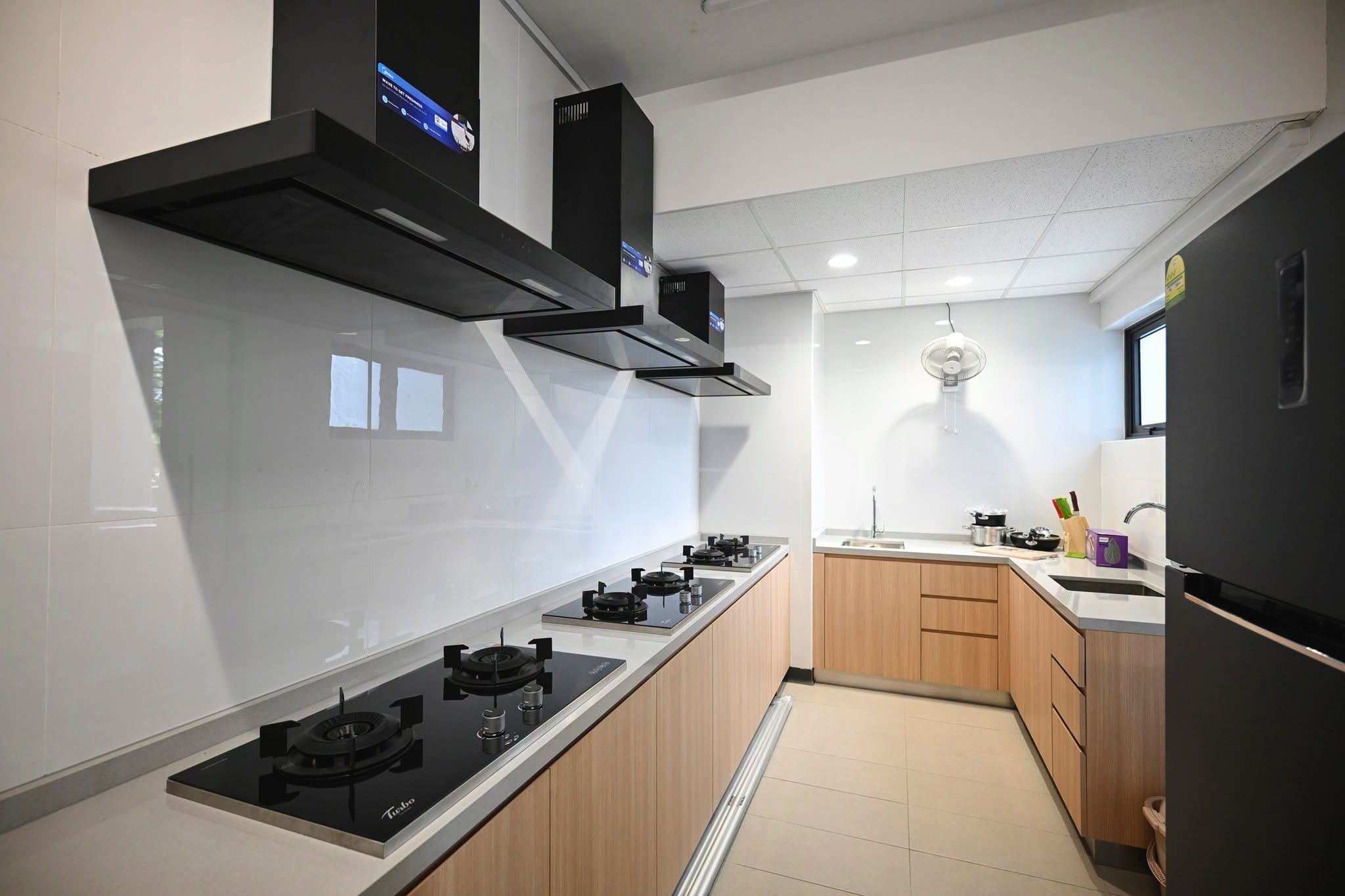
Kitchens are also fully furnished and come with gas stoves, cookware, crockery, cutlery, and refrigerators. Laundry spaces are equipped with washing machines, dryers, and clothing racks.
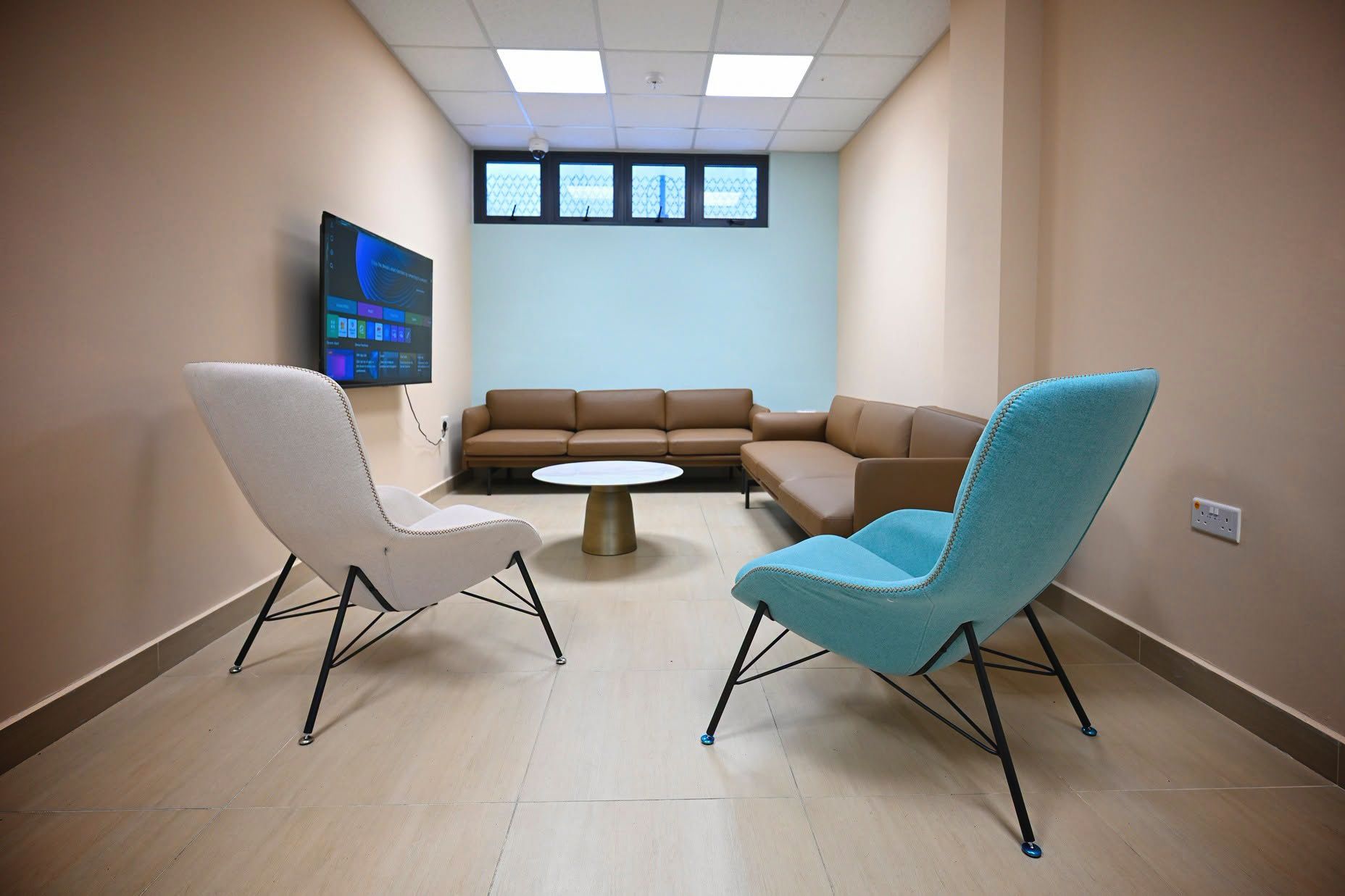
In addition, residents have access to a games room with activities such as table tennis and carrom, while grocery deliveries can be arranged, though alcohol isn’t allowed on the premises. A wheelchair-accessible sick bay is also available.
SBS Transit Group Chief Executive Officer Jeffrey Sim said the residence was planned with feedback from bus drivers themselves, together with practical input from Yeo Wan Ling, Executive Secretary of the National Transport Workers’ Union (NTWU).
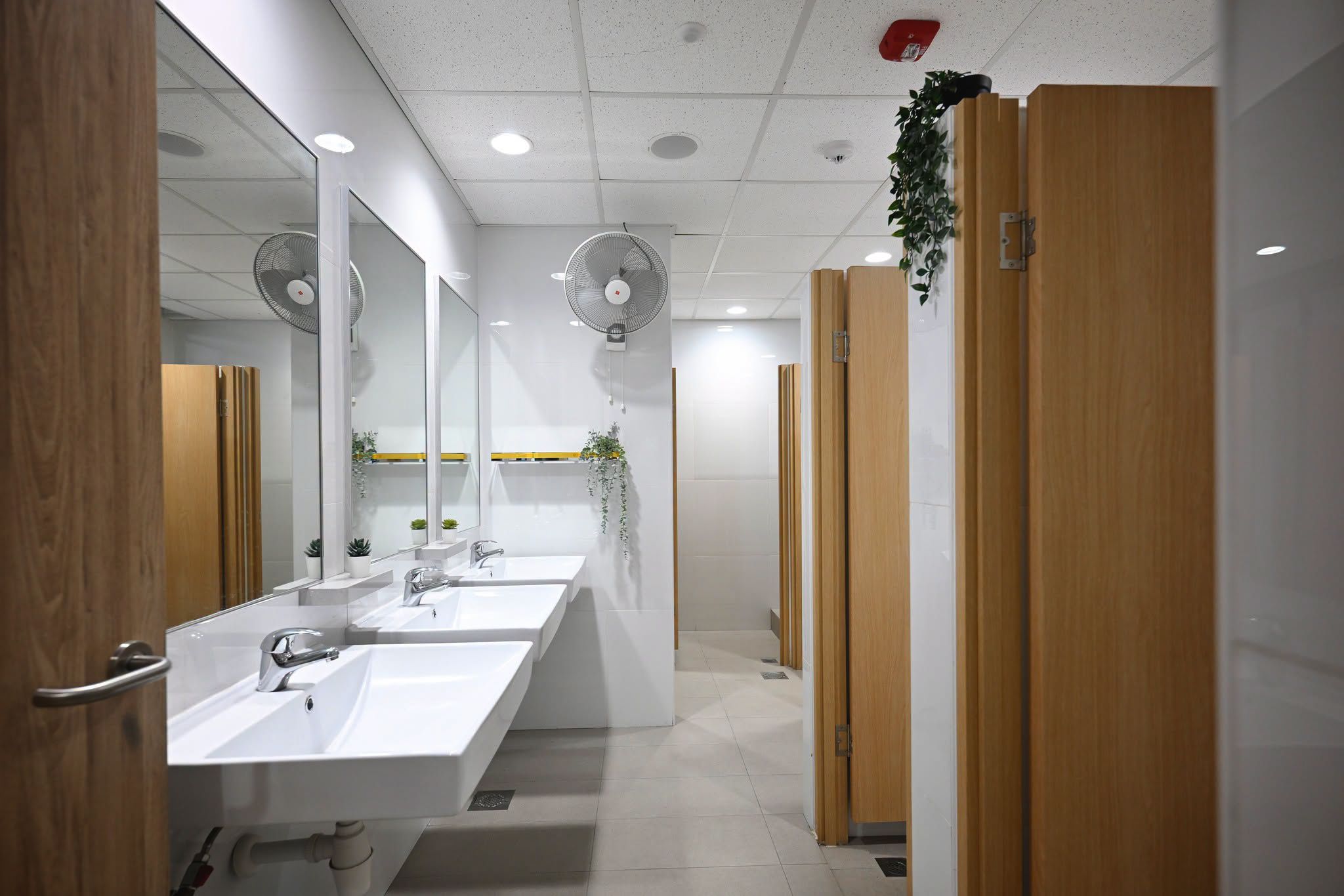
The biggest benefit, Mr Sim said, is the almost non-existent journey between home and work. Time once spent travelling can instead be spent resting, cooking, exercising, enjoying hobbies, or just spending time with friends and colleagues.
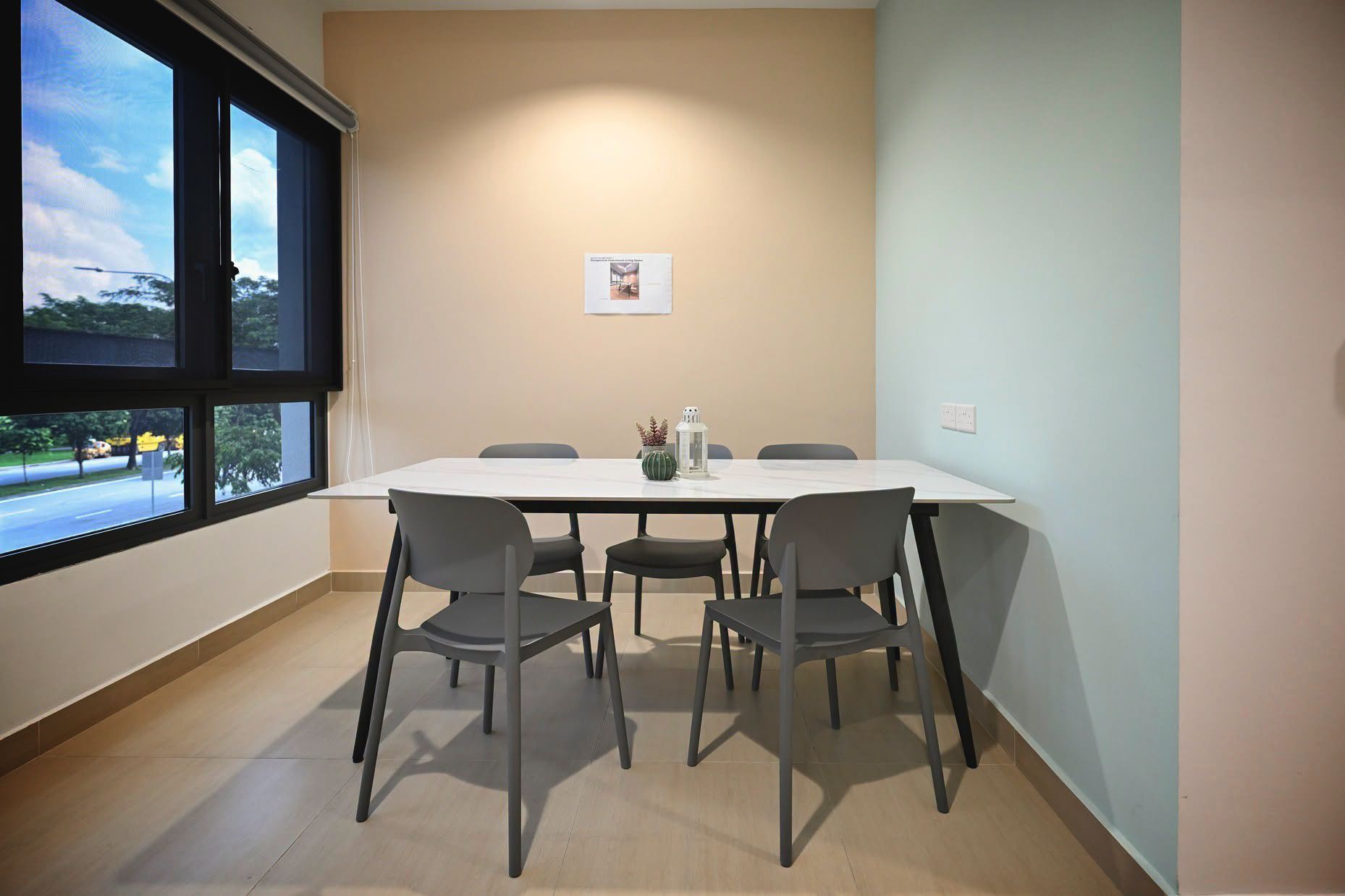
And that extra time is already making a difference for 55-year-old senior bus captain Tian Yinfu. Having driven buses in Singapore for 17 years, he previously lived in a Housing and Development Board (HDB) flat in Hougang and relied on an employee shuttle to reach work. The trip took about 20 minutes, forcing him to wake at 5 am for early shifts.
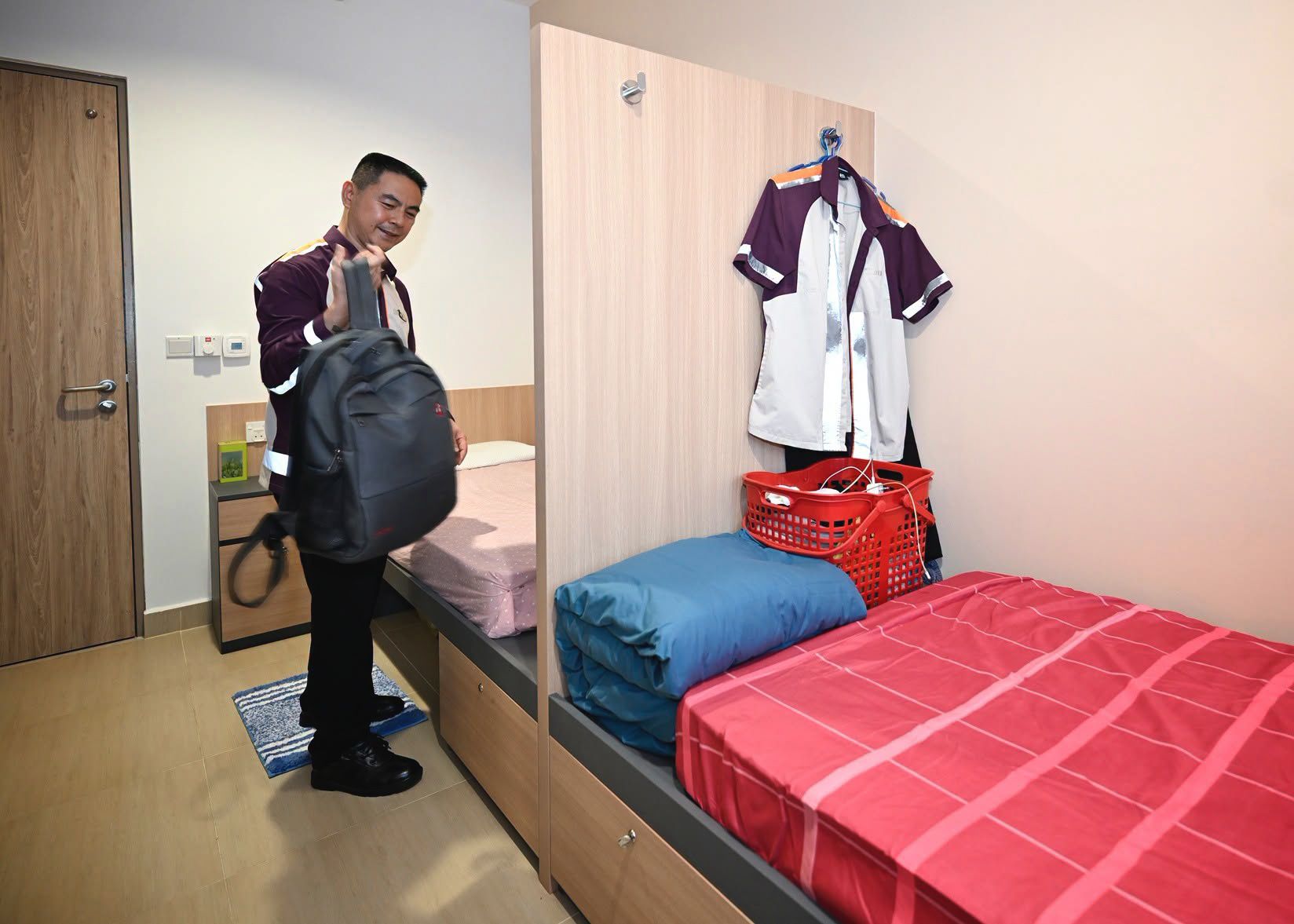
Now, with the depot next door, Mr Tian can sleep about 40 minutes longer before reporting for duty. He also said returning home immediately after work and having space to cook have made daily life much more comfortable.
Built alongside Singapore’s electric bus expansion
The residence was developed by the Land Transport Authority together with the Sengkang West Bus Depot, which opened in January 2025 as Singapore’s first multi-storey depot designed to support large-scale deployment of electric buses.
SBS Transit said that building the residence costs about the same as leasing HDB flats, which had previously housed many overseas bus drivers near their workplaces.
The facility also includes a dedicated floor for female bus drivers only, designed based on feedback gathered during the planning stage.
Better rest is also on the agenda for Singapore bus drivers next
While the new residence is intended for drivers from China, NTWU said the arrangement is unlikely to suit most Singaporean and permanent resident bus drivers, who generally prefer returning home to their families after work.
Instead, the union is focusing on improving rest facilities for all bus drivers. Ms Yeo said NTWU is exploring sleeping pods at bus depots and interchanges, allowing drivers to rest between split shifts that cover both the morning and evening peak periods.
The initiative complements measures announced earlier this month to attract more locals into the industry, including a S$450 increase in starting salaries for Singaporean and permanent resident bus drivers.
Even so, drivers said that early reporting times and the responsibility of operating large passenger vehicles continue to make recruitment a challenge.
Improving salaries helps, but comfortable housing, adequate rest, and practical workplace support are also essential. Keeping bus drivers well-rested will benefit them and help build a safer, more reliable public transport system for everyone.
 Follow Google News
 Join us on WhatsApp
 Follow us on Telegram