

SINGAPORE: Singapore is significantly tightening enforcement of workplace safety rules following a troubling cluster of fatalities, with higher fines, longer shutdowns, and new restrictions on hiring migrant workers among the measures announced by the Ministry of Manpower (MOM) on June 26.
The move comes after seven workers died in five separate incidents over the past four weeks alone, bringing this year’s total workplace fatalities to 21, which is up from 18 over the same period last year. MOM said the incidents occurred across different industries and circumstances and did not point to a single underlying cause, but warned that the close succession of deaths was a serious concern requiring continued vigilance and stricter compliance.
What’s changing
Composition fines for safety offences identified during inspections will be increased from S$2,000 to S$3,000 for first-time offenders, with steeper penalties for repeat or more serious breaches.
Companies issued with stop-work orders will now face a minimum shutdown period of eight weeks, up from five weeks previously — a significant increase that raises the operational cost of non-compliance considerably. In the most serious cases, companies responsible for egregious safety lapses resulting in fatal or serious accidents may also be barred from hiring new migrant workers for three months.
The enhanced measures have the support of a multi-agency workplace safety and health taskforce formed in September 2023 to strengthen safety in higher-risk sectors. The task force includes the Ministry of National Development, the Ministry of Transport, the Ministry of Health, the labour movement, and the Workplace Safety and Health Council industry committees.
Critically, the measures are time-bound, implemented from June 26 to July 31, but MOM has said they will be extended if safety outcomes do not improve.
A voluntary safety time-out called nationwide
As part of the immediate response, MOM has also called for a voluntary two-week nationwide safety time-out, which began yesterday (June 26), urging employers across all sectors to pause and review their work processes, strengthen risk controls, and engage workers and supervisors on potential hazards. MOM specifically highlighted vehicle-related activities, worker lapses, and emergency response procedures as areas requiring particular attention.
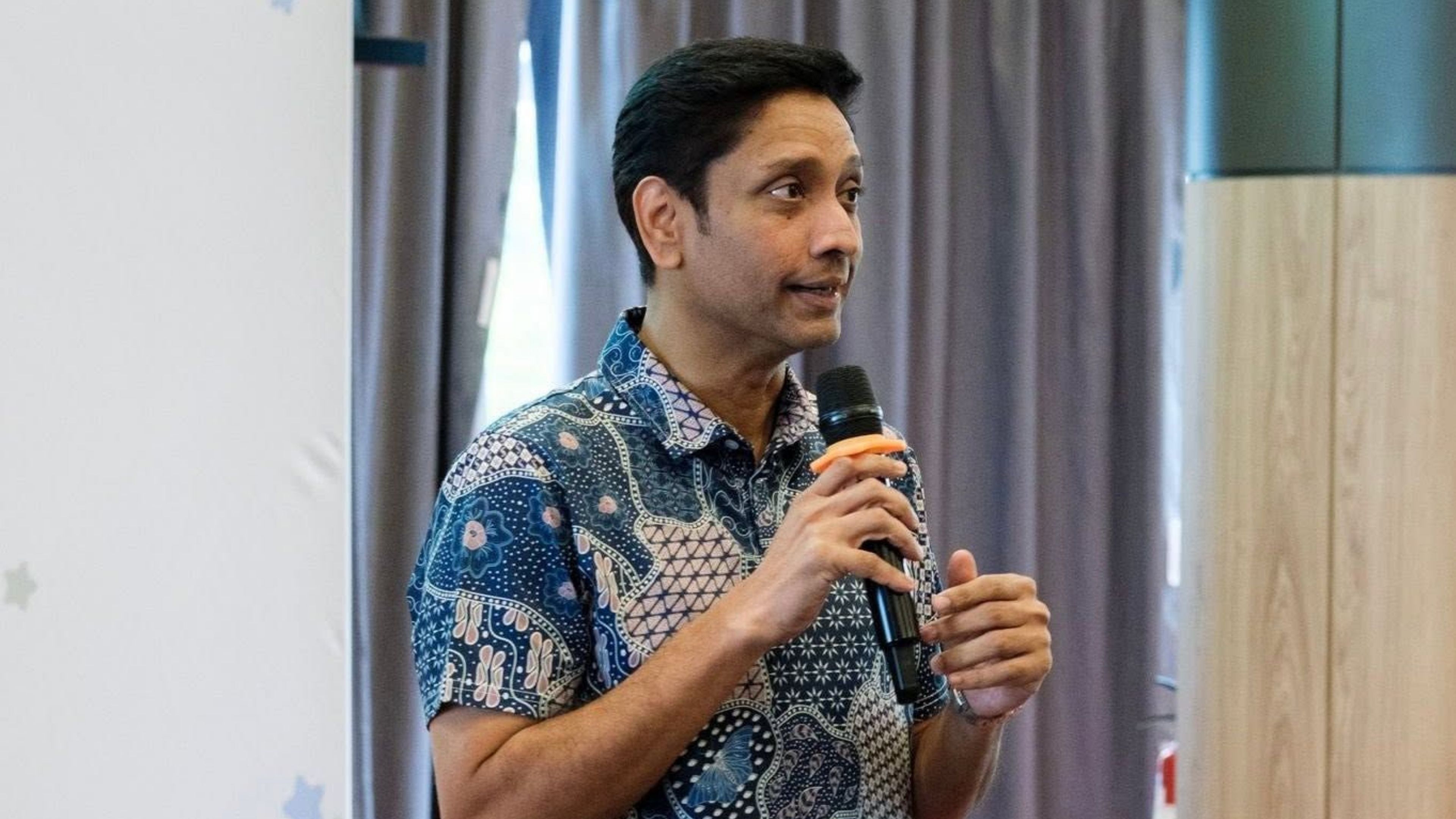
Minister of State for Manpower Dinesh Vasu Dash was direct in framing the government’s position. “Workplace safety is a collective responsibility,” he said in a video posted on Facebook. “It requires vigilance and accountability from management and supervisors to intervene before risks escalate into harm. No deadline, contract or business objective is worth risking lives.”
You may view the video here.
NTUC backs the measures
NTUC Assistant Secretary-General Melvin Yong expressed support for both the safety time-out and the tougher enforcement measures, while cautioning that rules and penalties alone would not prevent accidents.
“These are important steps to send a clear signal that safety must always come first. But rules and enforcement alone will not prevent accidents,” said Yong as quoted by Channel NewsAsia (CNA), who also sits on the Workplace Safety and Health Council.
He highlighted the safety time-out as an opportunity for companies to genuinely examine their processes, asking where the risks are, what can be done better, and how to keep workers safe, rather than treating it as a compliance exercise. He also stressed the importance of ensuring workers feel psychologically safe enough to flag issues early, noting that many accidents can be prevented if someone speaks up before a situation escalates.
“Workplace safety is something we all share responsibility for — employers, supervisors and workers alike,” he said. “We should also do more to tap on technology to improve safety, especially in higher-risk environments.”
Why this matters
Twenty-one workplace fatalities in just over six months, with seven of them in the span of a single month, and more than the same period last year, is a number that demands a serious response, and the measures announced reflect that urgency. Frankly, this ought to be unacceptable given how there are measures in place to alleviate these problems.
The combination of higher fines, extended shutdowns, and migrant worker hiring restrictions creates a possible deterrent for employers who might otherwise treat safety lapses as an acceptable operational cost. The restriction on hiring migrant workers is particularly notable, as access to foreign labour is a critical component for many construction and manufacturing firms. A three-month hiring bar in the wake of a fatal accident is likely to be felt far more acutely than just a fine.
For the workforce, both local and foreign, the tightened measures show how Singapore intends to hold employers to a higher standard of care, and that the government is prepared to escalate further if the fatality count does not improve before the end of July.
 Follow Google News
 Join us on WhatsApp
 Follow us on Telegram