
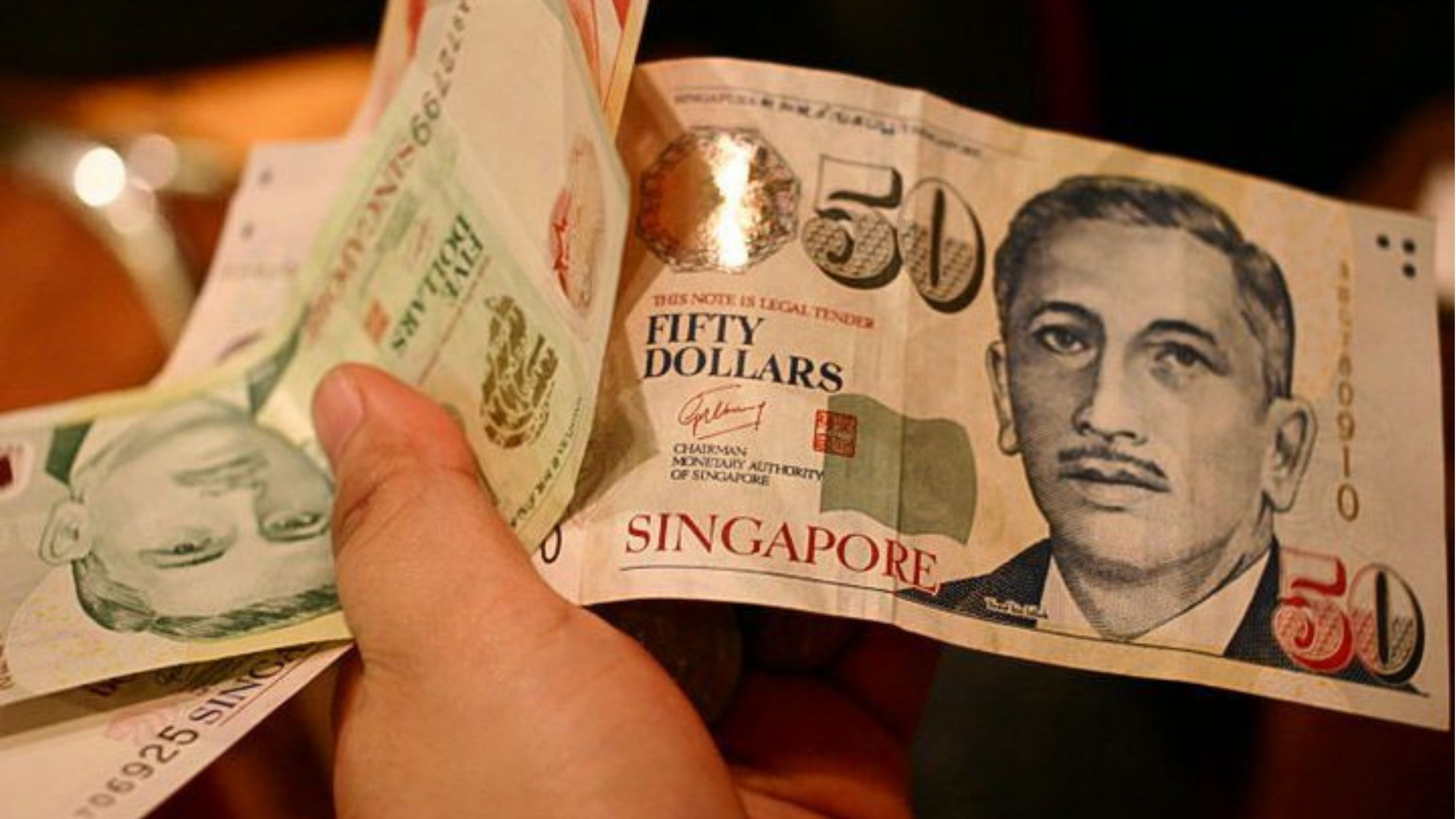

SINGAPORE: The Singapore dollar climbed past the RM3.20 (S$0.998) mark against the Malaysian ringgit on Friday morning (June 19), reaching its strongest level in six months as weakness in the ringgit continued to outpace movements in the Singapore currency.
Data from Google Finance showed the Singapore dollar rising to RM3.2049 at 11:35 a.m., its highest level since it slipped below the RM3.20 threshold in early November last year.
The latest move comes amid growing pressure on regional currencies following the United States Federal Reserve’s decision on Wednesday (June 17) to keep its benchmark federal funds rate unchanged. Market analysts have said the Fed’s stance is expected to lend further support to the US dollar. At the same time, elevated oil prices and foreign capital outflows continue to weigh on Asian currencies.
Although the Singapore dollar has eased slightly against the US dollar over the past two months and is currently trading at around 1.29 SGD per US dollar, the Malaysian ringgit has experienced a steeper decline. On Friday morning, the ringgit weakened to a six-month low of RM4.14 against the US dollar, helping to push the SGD-ringgit exchange rate above the RM3.20 level.
Analysts noted that the strength of the US dollar and expectations of a prolonged period of tight monetary policy from the Federal Reserve are likely to remain key factors influencing currency markets across Asia. Currencies such as the Malaysian ringgit and South Korean won, which are associated with relatively low interest rate environments, are seen as particularly vulnerable to these pressures.
Investor attention has remained focused on the Federal Reserve’s interest rate outlook. The US dollar index has stayed elevated as markets digest projections suggesting the central bank could raise rates by a further 25 basis points before the end of the year.
Despite the current headwinds facing regional currencies, some experts have pointed to developments in the Middle East as a potential source of relief for financial markets. They said the peace agreement between the United States and Iran could pave the way for the reopening of the Strait of Hormuz, a key global shipping route, improving overall market sentiment and risk appetite.
 Follow Google News
 Join us on WhatsApp
 Follow us on Telegram