

MALAYSIA: Following public pushback and debate, the Selangor state government announced that guidelines called the Selangor State Planning Guidelines and Standards for Community Facilities 2025 have been paused and are undergoing a review.
It recently issued a statement explaining that its position on the proposed guidelines for non-Islamic places of worship is intended to improve planning standards and inclusivity, and not to restrict religious practices.
Selangor Special Committee on Buddhist, Christian, Hindu, Sikh and Taoist Affairs co-chairman P. Papparaidu said the state executive council had agreed to review and refine the guidelines to ensure they remained practical, inclusive and responsive to the needs of the state’s diverse communities.
However, critics argue that the guidelines could impose restrictions that could limit the establishment and expansion of non-Islamic places of worship.
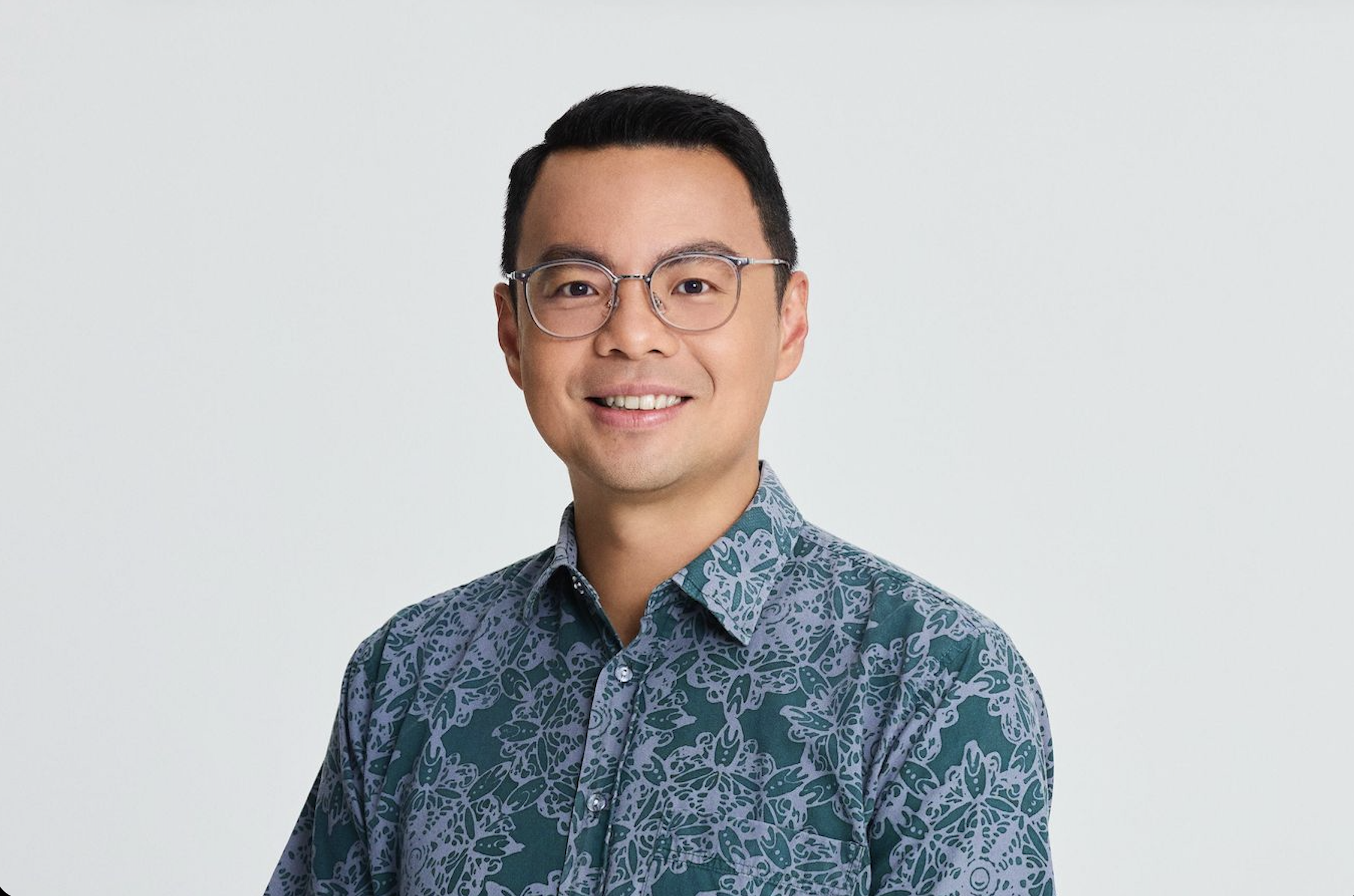
Today, a member of the ruling People’s Justice Party (PKR), Lee Chean Chung, said that he thanked the Selangor State Government Exco YB Ng Sze Han for responding to public concerns regarding the controversy and to his statement dated 1 June on the matter, but Lee says the explanation by the state Exco still falls short of addressing the real concerns on the ground.
The concerns regarding those guidelines are that bans in commercial zones and height and Structural Constraints.
The guidelines initially stipulated that non-Islamic houses of worship could not be located in commercial zones, and existing buildings in these areas could not be converted for such use.
Critics say that because gazetted religious land is often scarce, many religious groups have historically relied on shoplots.
On the issues concerning height and structural constraints, the rules apparently specified that non-Muslim places of worship must not be taller than any mosque located within the same or neighbouring development areas, with an absolute height limit capped at 72 feet.
Lee highlighted two main issues with the proposed rules:
-
Industrial areas — The guidelines say existing buildings cannot be converted into non‑Islamic houses of worship (RISI). Legally, this could mean RISI are not allowed in industrial zones at all.
-
Temporary approvals (KMTT) — Many RISI in commercial and industrial areas operate under temporary permits that must be renewed regularly. By law, these permits cannot last more than 12 consecutive years, so approvals are granted cautiously.
“The question is: how can the state government guarantee that such renewals or reapplications will not be treated as new applications and subsequently rejected?
Lee Chean Chung has called for a full withdrawal and review of Selangor’s latest worship guidelines, warning they pose risks to non‑Islamic houses of worship (RISI).
He noted that earlier editions allowed case‑by‑case discretion for religious sites in shop or residential premises, but this clause was removed in 2020, creating uncertainty.
Lee also criticised the residency threshold requiring 1,250 units for new RISI sites, saying such large developments are rare in the Klang Valley.
He raised concerns over clauses permitting enforcement against existing RISI exceeding the 72‑foot height limit, including statues and symbolic structures.
To ease public anxiety, Lee proposed clarifying the status of temporary permits (KMTT), restoring local authority discretion, lowering land thresholds to 500 units, and involving LIMAS in decisions on existing sites. He stressed that reforms are vital to uphold Malaysia’s tradition of coexistence and unity.
 Follow Google News
 Join us on WhatsApp
 Follow us on Telegram