

PARIS: On Tuesday (April 21), the International Energy Agency (IEA) noted how the current conflict in the Middle East, which started on Feb 28 when the United States and Israel began bombing Iran, has sparked the largest supply disruption in the history of oil markets due to the closure of the Strait of Hormuz.
A major shock to global energy markets, as well as a significant impact on supplies of natural gas and other energy-related commodities have ensued.
As a result, the price of energy and fuel has gone up, affecting household and public budgets, and economic activity as a whole, triggering a response from governments in the form of direct price relief and side measures to reduce energy consumption.
However, the IEA pointed out that untargeted support measures mainly benefit higher-income households while putting pressure on public finances.
“Much of the financial support does not reach those who need it most: low-income households struggling to pay their energy bills. Because higher-income households tend to spend more on energy in absolute terms, broad-based price reductions often deliver greater financial gains to higher-income groups,” the agency wrote.
Additionally, with countries still recovering from the economic impact of the COVID-19 pandemic, governments may have less leeway to sustain broad-based measures.
What governments can do
The IEA recommended targeted support aimed at low-income and vulnerable households instead, using systems that are already in place, including social assistance programmes, unemployment benefits, pension schemes, and income-based grants. This has proven to be effective in countries such as Indonesia, France, and the Netherlands.
In other countries, targeted support is being offered to affected sectors such as transport operators.
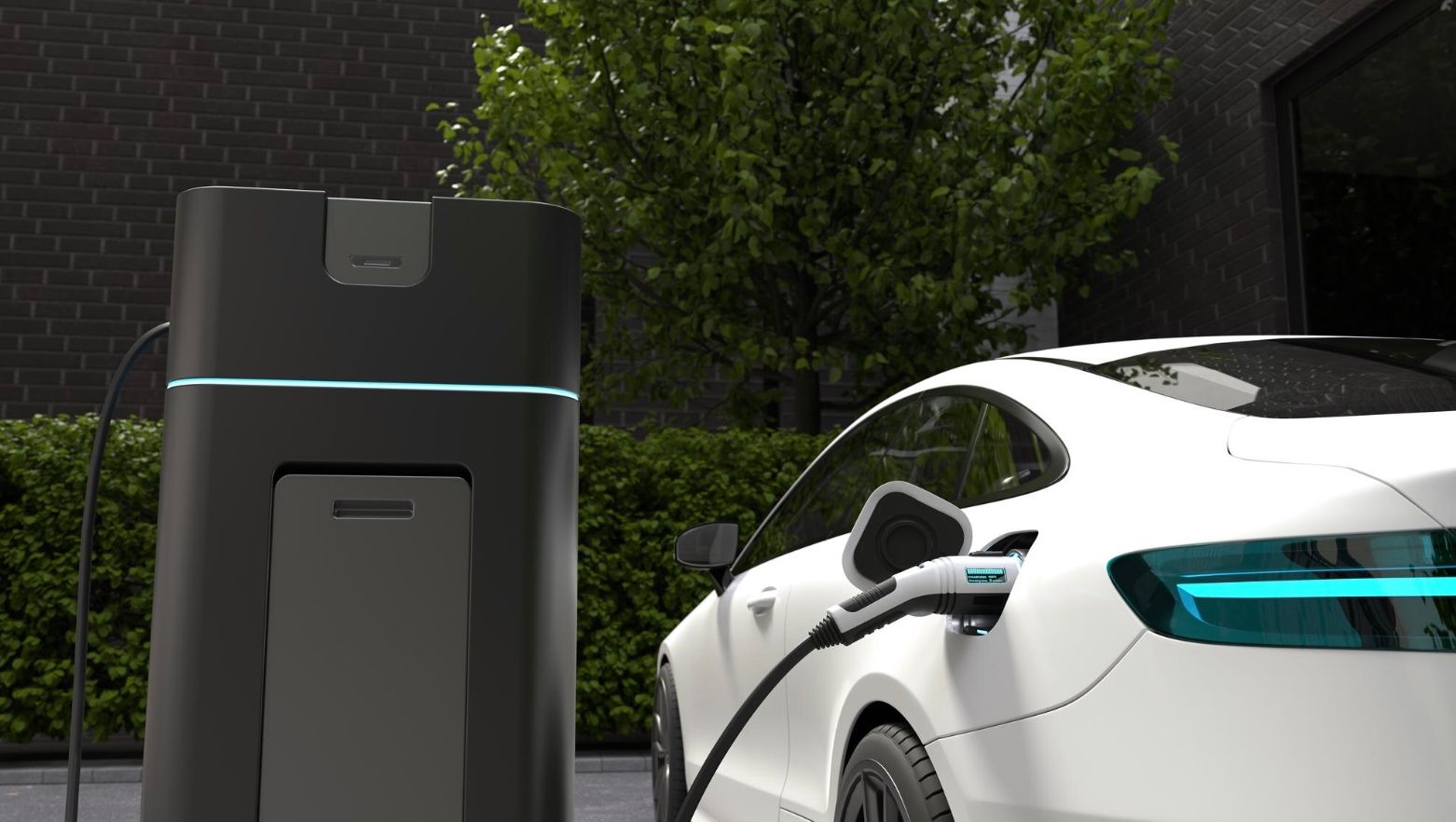
Another scheme would be to reduce energy bills, and not just prices. Governments should invest in energy-efficient homes and appliances, cleaner transportation, including electric vehicles and public transport, and energy access and diversification, such as modernising cooking methods.
“Targeted, short-term support can help shield consumers from acute price shocks. But to make consumers more resilient to future price swings and bring down energy bills permanently, governments need to invest in targeted energy efficiency policies,” the IEA noted.
In late March, the agency published a list of measures that households, businesses, and governments should not ignore in light of the oil crisis brought about by the conflict in the Middle East. /TISG
 Follow Google News
 Join us on WhatsApp
 Follow us on Telegram