
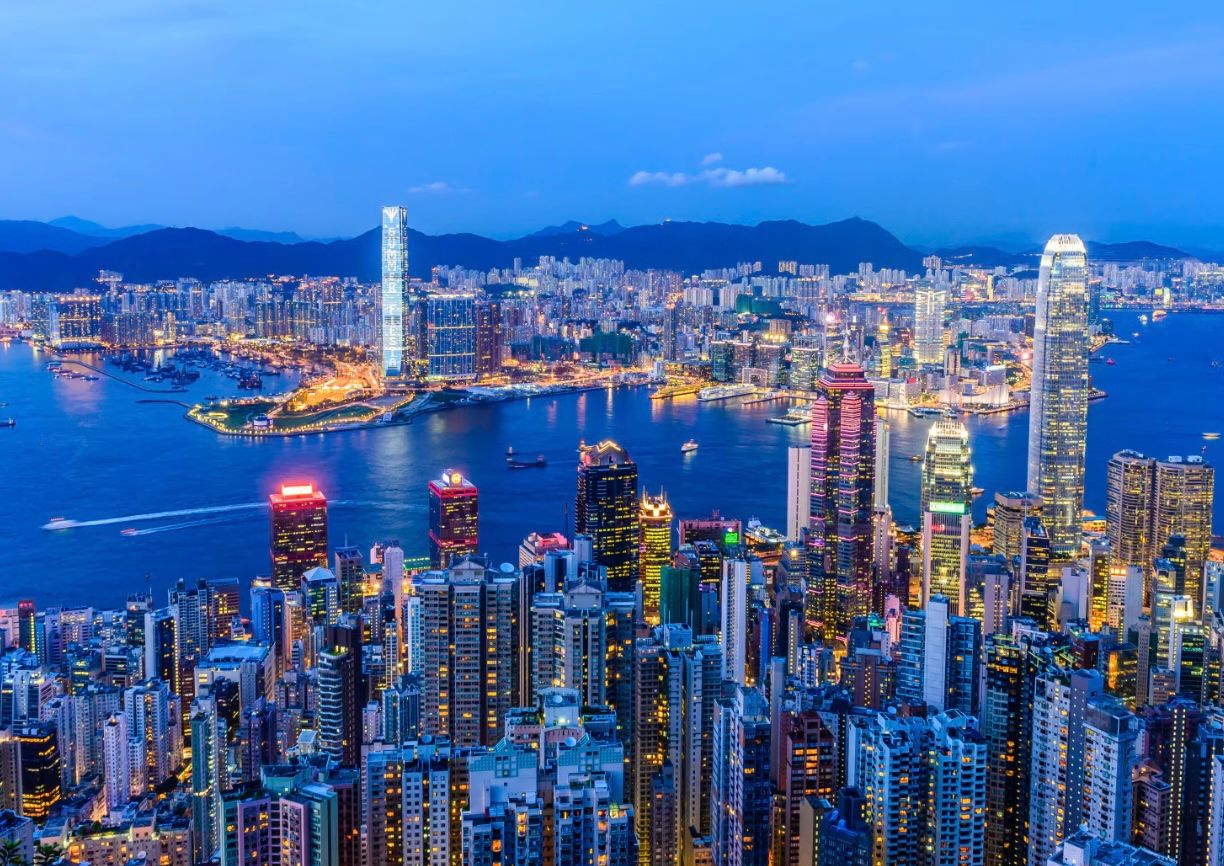

HONG KONG: As the world grapples with the fallout from the war in Iran, Hong Kong is becoming a preferred destination for the wealthy from the Middle East, both for tourism and investments.
The situation is similar to that of Singapore, whose safe haven status as a place for the rich to park their wealth has been boosted by the war. Amid the volatility in the Gulf, investors have been looking to shift their assets, especially from Dubai and Abu Dhabi. Hong Kong, together with Singapore, Zurich, and Mumbai, have emerged as alternate destinations for new wealth inflows.
“With the Middle East in turmoil, Hong Kong stands out as it is closer to China and, in some ways, perceived as more secure than US-aligned countries. Its time zone is also well suited to tracking Asian markets, and politically it offers greater stability than London,” the piece quoted Simon Lee, a finance lecturer at Hong Kong Shue Yan University, as saying.
The influx of new money is a boon for Hong Kong, whose status as a financial hub over the past decade was affected by widespread protests, lengthy restrictions during the COVID-19 pandemic, and controls from Beijing.
However, now, the city’s low taxes, booming equity capital market, and the depth of its talent pool are luring investors back.
Clients of XinXi Asset Management, which focuses on family offices, moved over US$100 million (S$126 million) from Dubai to Hong Kong. Its CEO, Joel Tan, also told Bloomberg last week that Chinese clients have been making inquiries regarding selling their properties in the Middle East.
Tourism
The South China Morning Post reported on Monday (March 29) that the number of recent hotel guests from Gulf states has increased. More than that, they are staying for a longer amount of time, especially when they travel with their families, combining tourism with looking around for investment opportunities.
In his weekly blog, Hong Kong’s Finance Secretary Paul Chan Mo-po noted that the city’s visitors had increased by 17% year on year to 13.7 million so far in 2026.
Also, while Mr Chan acknowledged that the war in the Middle East has led to a surge in fuel prices, Hong Kong remains stable.
“In the short term, given that Hong Kong’s economy is primarily service-based and its exports to the Middle East are relatively low, the direct impact will be limited. Even though international investment sentiment is affected, Hong Kong’s financial markets have continued to operate smoothly and orderly, with stable and ample capital flows.
The local economy is stable and improving, and the strong support from (China) is the ‘ballast’ for Hong Kong’s economic development, enabling us to better withstand storms and sail steadily forward,” he added. /TISG
Read also: Singapore ranks 4th, Hong Kong 3rd in Global Financial Centres Index 2026
 Follow Google News
 Join us on WhatsApp
 Follow us on Telegram