
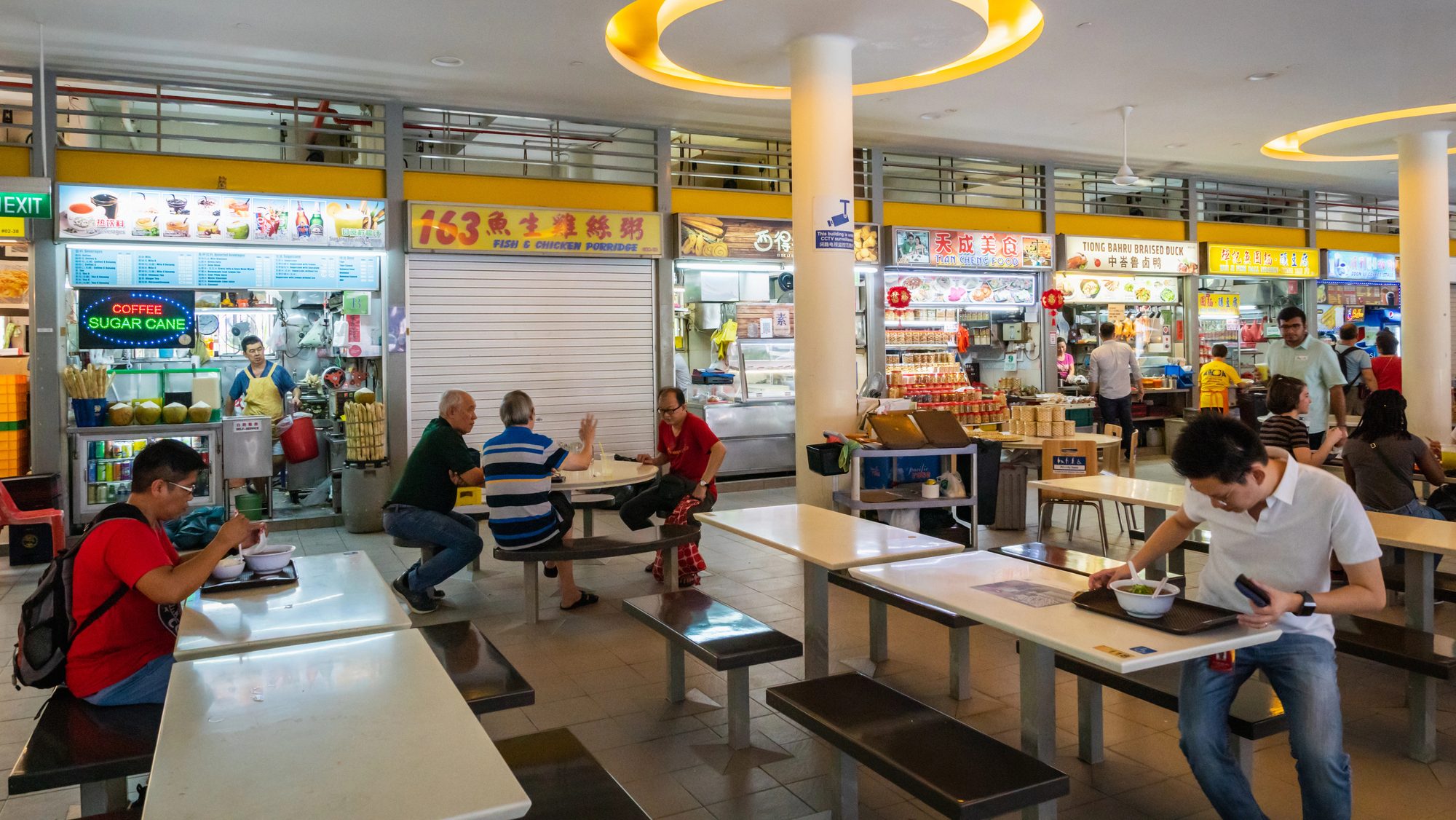

SINGAPORE: When Ms Pooja noticed that payments for her parents’ hawker stall hadn’t arrived after two weeks, a sinking feeling set in. She decided to check their accounts herself—and what she found left her in disbelief. The bank account linked to their foodpanda orders had been quietly changed, and between Oct 10 and 14, around S$3,000 had been funnelled into an unknown account.
“I immediately thought, this has to be a scam,” said Ms Pooja, 36. She quickly filed a police report on Oct 24 and reached out to Grab, foodpanda, and Deliveroo, hoping to stop further losses.
Her parents, who have run their Indian food stall for seven years and rely on food delivery platforms to reach customers, were stunned. “They were upset because it is a decent amount of money that we lost,” Ms Pooja said. “But my parents have gone through so much already that, in a way, they weren’t completely shaken.”
The scam forced the family to pause foodpanda deliveries for a week to secure their accounts, costing them an estimated S$2,500 in potential earnings.
Regrettably, their story is not exceptional. Swindlers usually aim at food and beverage enterprises by pretending to be delivery platform personnel, seeking out account data, and then manipulating payment specifics or email settings. Through this way, earnings are diverted to their personal accounts.
Since August, police have documented at least four such scams, with aggregate losses of approximately S$42,000. In Ms Pooja’s parents’ case, the culprits didn’t even contact them directly. By July, the scammers had accessed their email account and with shared passwords, were able to infiltrate Foodpanda and Deliveroo accounts.
Back in September, there was an early warning when scammers tried to change the payment information for their Grab account. A prompt call from Grab to verify the change prevented further damage, and Ms Pooja updated the password. At the time, no one realised other accounts would later be compromised.
“It wasn’t until late October that we discovered the banking details for Foodpanda and Deliveroo had been altered,” she said. foodpanda has reimbursed S$1,300 so far, while Deliveroo caused a smaller loss of around S$50.
Both foodpanda and Grab have since strengthened security measures. foodpanda now requires verification for any changes to sensitive information and notifies vendors through multiple channels, while Grab contacts business directors directly when bank account updates are requested. Both platforms continue to educate vendors on spotting and preventing fraud.
Ms Pooja’s parents have taken the lessons to heart. “I remind them to change passwords regularly and turn on two-factor authentication,” she said. “Are they scared? No. We’ve resolved all the security issues. I just hope these platforms also make it easier to catch these scams early.”
Police investigations into the case are ongoing.
 Follow Google News
 Join us on WhatsApp
 Follow us on Telegram