
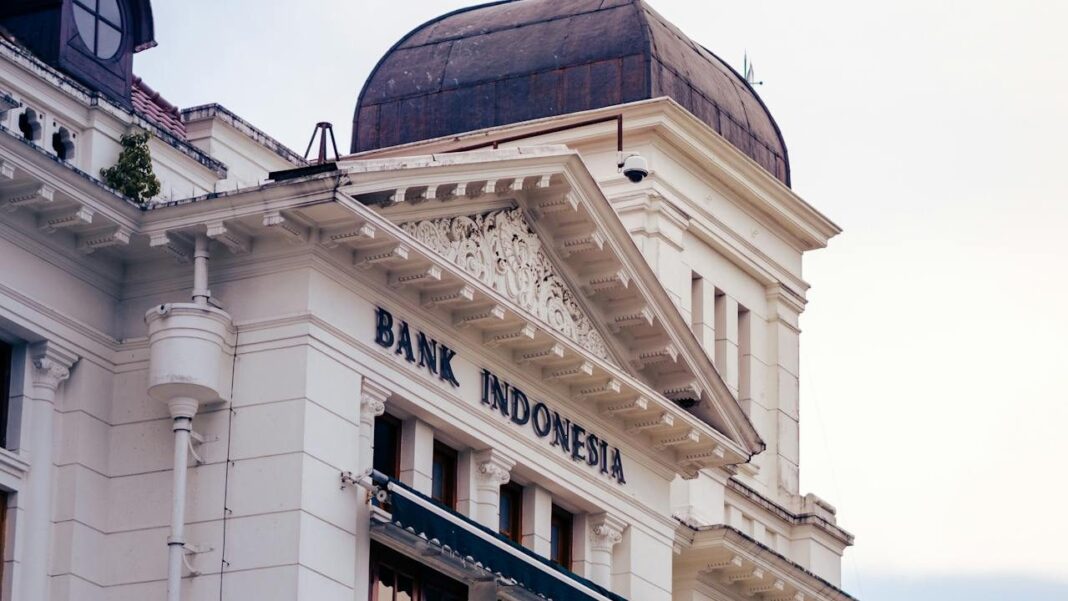

Bank Indonesia’s surprise interest rate cut this week has rattled investors and economists alike—not because of the cut itself, but because of what it might mean. The decision came out of the blue, with none of the 31 economists polled by Reuters seeing it coming. And now, fears are growing that the central bank may be bowing to political pressure from President Prabowo Subianto, who’s been pushing a bold—and expensive—economic growth agenda.
This move couldn’t have come at a more sensitive time. Indonesia is already grappling with widespread street protests that have erupted in cities across the country since late August, and just last week, Prabowo fired Sri Mulyani Indrawati, the highly respected finance minister known for her steady hand on the fiscal tiller. The result? Investors are worried that hard-won economic credibility may be unravelling fast.
With Prabowo intending to amplify development from 5% to 8%, there are fears that the central bank is being dragged into a politically charged undertaking—one that could compromise the solidity of the rupiah and undermine investor confidence.
The rupiah struggles as growth takes the spotlight
Indonesia’s currency, the rupiah, has been under steady pressure throughout 2025—down 3% so far this year, making it Asia’s worst performer. In April, it sank to a record low of 16,970 against the US dollar. Despite repeated interventions by the central bank, it’s currently stuck near 16,585.
The concern isn’t just about numbers on a chart—it’s about what those numbers say. “Indonesia is leaning hard on growth,” said Howe Chung Wan of Principal Asset Management. “The bias is toward running the economy hot to avoid social unrest from weak jobs and low growth.”
However, that strategy comes with real risks. Pushing growth too hard could fuel inflation, strain the current account, and weaken the rupiah further—all while raising doubts about the central bank’s ability to act independently.
Is politics rewriting the rule book?
Investors aren’t just reacting to the rate cut. They’re also watching how political dynamics may be reshaping the foundations of Indonesia’s economic institutions. A controversial “burden-sharing” agreement between the government and Bank Indonesia has already blurred the lines between fiscal and monetary policy. And proposed legislation could go even further—expanding the central bank’s role in economic growth and giving parliament the power to dismiss the bank’s governor.
For market watchers, it’s a troubling trend.
“There is a clear risk to central bank independence,” warned Howie Schwab of Driehaus Capital. “And there’s not enough clear communication from officials to calm those fears.”
Chris Kushlis at T. Rowe Price added, “The market will likely worry that political pressure means BI will shift the balance of its mandate toward growth—at the sacrifice of currency stability.”
Can confidence be rebuilt?
Despite all the concerns, some analysts believe Indonesia still has solid economic fundamentals to fall back on. Mark Ledger-Evans of Ninety-One points to the country’s relatively low inflation, manageable debt, and stable fiscal deficit. That gives Bank Indonesia some breathing room—at least for now.
In defending the rate cut, BI Governor Perry Warjiyo said it was necessary to help the economy “match its capacity.” And with the US Federal Reserve now beginning its own rate-cutting cycle, there may be some short-term relief for the rupiah as pressure on the dollar eases.
Still, the markets are far from reassured. It’s a subtle but telling signal that investors are getting nervous. As Trinh Nguyen of Natixis put it: “Indonesia used to be known for fiscal prudence and a central bank that prioritised currency stability over quick growth. Doubts are rising for both.”
Unless policymakers act quickly to restore transparency and shore up confidence, Indonesia could find itself sailing into increasingly uncertain economic waters—just as global investors are becoming more risk-averse than ever.
 Follow Google News
 Join us on WhatsApp
 Follow us on Telegram