
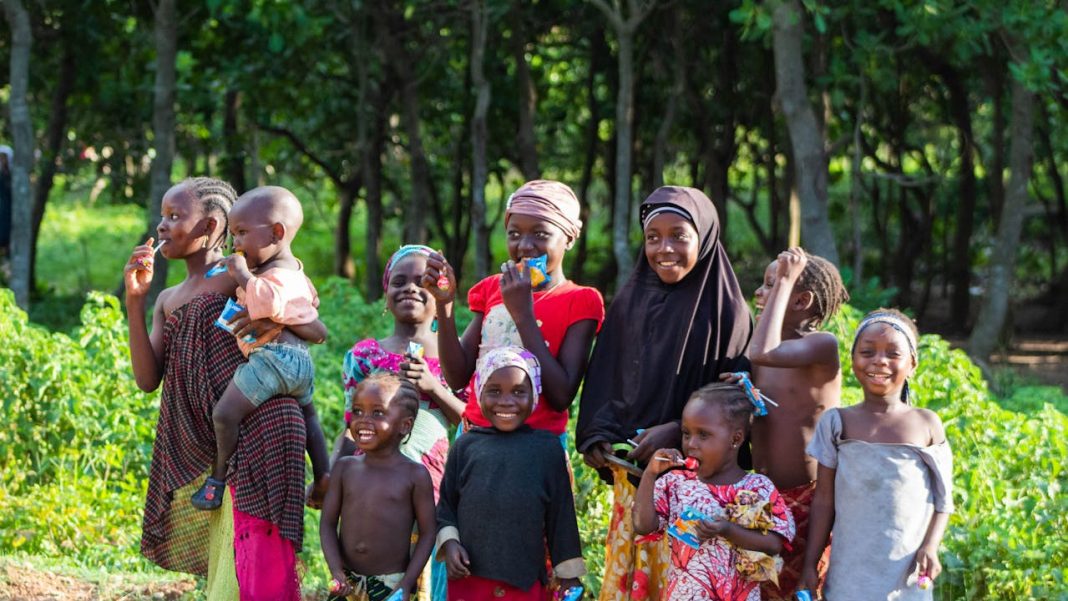

PARIS, FRANCE: A new study revealed that more than 14 million people, many of them young children, could perish by 2030 because of deep cuts in U.S. foreign assistance. The study, published in The Lancet and featured in the latest Inquirer report, was released as world leaders assemble in Seville, Spain, for a key United Nations (UN) aid conference. It presented the possible repercussions of the Trump administration’s decision to demolish the U.S. Agency for International Development (USAID).
“For vulnerable populations, this is a shock on par with a global pandemic or major war,” said co-author Davide Rasella of the Barcelona Institute for Global Health. By making use of data from 133 nations and cutting-edge modelling methods, researchers estimate that the USAID subsidy aided in preventing 91 million deaths between 2001 and 2021, but with U.S. foreign assistance now reduced by 83%, development could be hard hit, principally in health systems across low- and middle-income countries.
Millions of children at risk as health gains reversed
The anticipated human toll is confounding — more than 4.5 million children under five are projected to die in the next five years because of the sudden aid reductions, approximately 700,000 young lives lost every year. The range is comparable to the death statistics of World War I, researchers said. Initiatives supported by USAID had reduced child mortality by 32% and all-cause mortality by 15%, with sharp drops in deaths from HIV/AIDS, malaria, and neglected tropical diseases.
The decommissioning of USAID came weeks after Donald Trump’s return to the White House in January, with his then-advisor Elon Musk bragging that the agency had been put “through the woodchipper.” In the months since, key European benefactors — Germany, France, and the UK — have also restructured their aid pledges, worsening the predicament.
Global leaders meet in Spain, but the U.S. stays away
The alarming report comes as many of the world’s leaders and influential business ‘crème de la crème’ converge in Seville for the biggest aid-focused conference in a decade. Yet, the United States, historically the single major donor to worldwide charitable aid, is conspicuously absent. Before the reductions, USAID accounted for just 0.3% of the federal budget — roughly 17 cents per American per day.
“Now is the time to scale up, not scale back,” Rasella admonished. Fellow study author James Macinko of UCLA echoed the sentiment, stressing how far tiny donations can go: “If people realized that US$64 (S$81) a year could help save millions of lives, I believe they’d want to keep this lifeline going.”
While the forecasts are ugly, researchers underscore that these are not irrevocable. With transformed political resolve and financial backing, much of the damage could still be avoided.
 Follow Google News
 Join us on WhatsApp
 Follow us on Telegram