
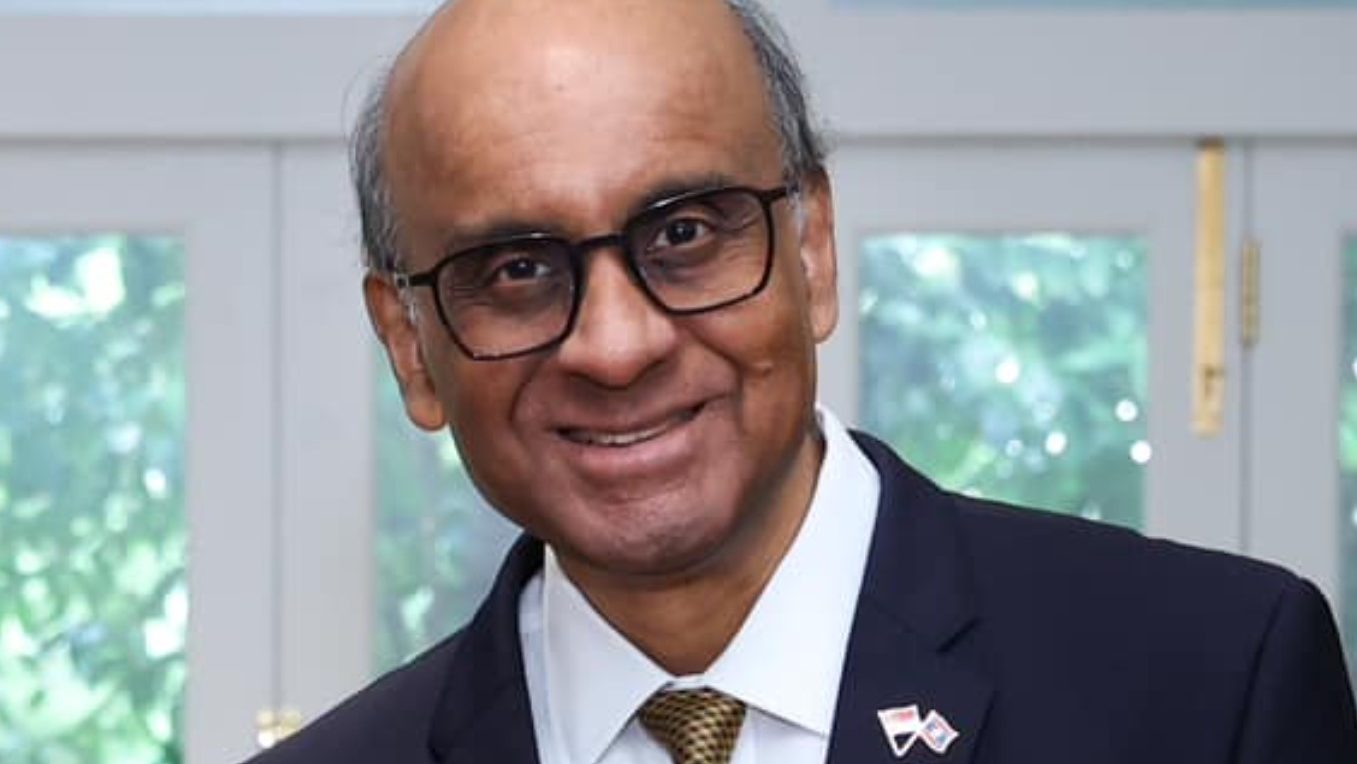

SINGAPORE: At a panel on Jan 22 (Wednesday) at the meeting of the Economic Forum in Davos, Switzerland, President Tharman Shanmugaratnam warned of an impending job crisis around the globe as there will be 1.2 billion workers entering the workforce in the next 10 years who will compete for just 400 million jobs.
This “unprecedented” situation would mean that 800,000 million people would either enter the informal economy, be underemployed or simply remain unemployed, he said, adding that this would not only affect people on a personal level but could contribute to a type of global disorder.
The crisis would not just be about jobs, the President asserted, calling it a “crisis of social compact” as well as a “crisis of hope, of self-belief and dignity, and a crisis of solidarity.”
The solution to this “global jobs gap” would be major changes in the way people are educated and trained from each individual’s youth, as the first three years of someone’s lie are already crucial to shaping their potential.
“What you do to develop human potential through life shapes how well people do in jobs, whether they retain jobs, whether they’re able to adjust to the churn in the job market, whether they end up feeling they’ve had a satisfactory career,” Mr Tharman said.
Many universities, he added, provide an education that is too academic and not technical enough to ensure that graduates are gainfully employed. What may result is that, “we get a problem of a whole generation feeling the system has failed them,” he said.
Added to this is the possibility that the changes in the rapidly developing Artificial Intelligence (AI) technologies may displace workers on a large scale, which is why both the private and public sectors need to invest in ensuring workers have necessary skills instead of allowing them to become obsolete.
As for workers who have been replaced by AI, he underlined the need for them to be cared for by making sure they receive the retraining they need to keep on getting hired, as countries such as Germany, South Africa and South Korea have done.
“That has to be at the core of economic strategy and business strategy, and of governments working together with businesses,” added President Tharman.
He also touched on workers in the informal sector, many of whom are found in developing nations, and how they need to be protected as well. He noted that in Singapore, gig workers are provided workplace injury compensation and social security contributions. /TISG
Read also: President Tharman expresses hope for Singapore’s future as more citizens step up to help one another
 Follow Google News
 Join us on WhatsApp
 Follow us on Telegram