
60-day visa-free entry to Thailand ends for Singapore + 92 countries, after foreigners work illegally and engage in crime
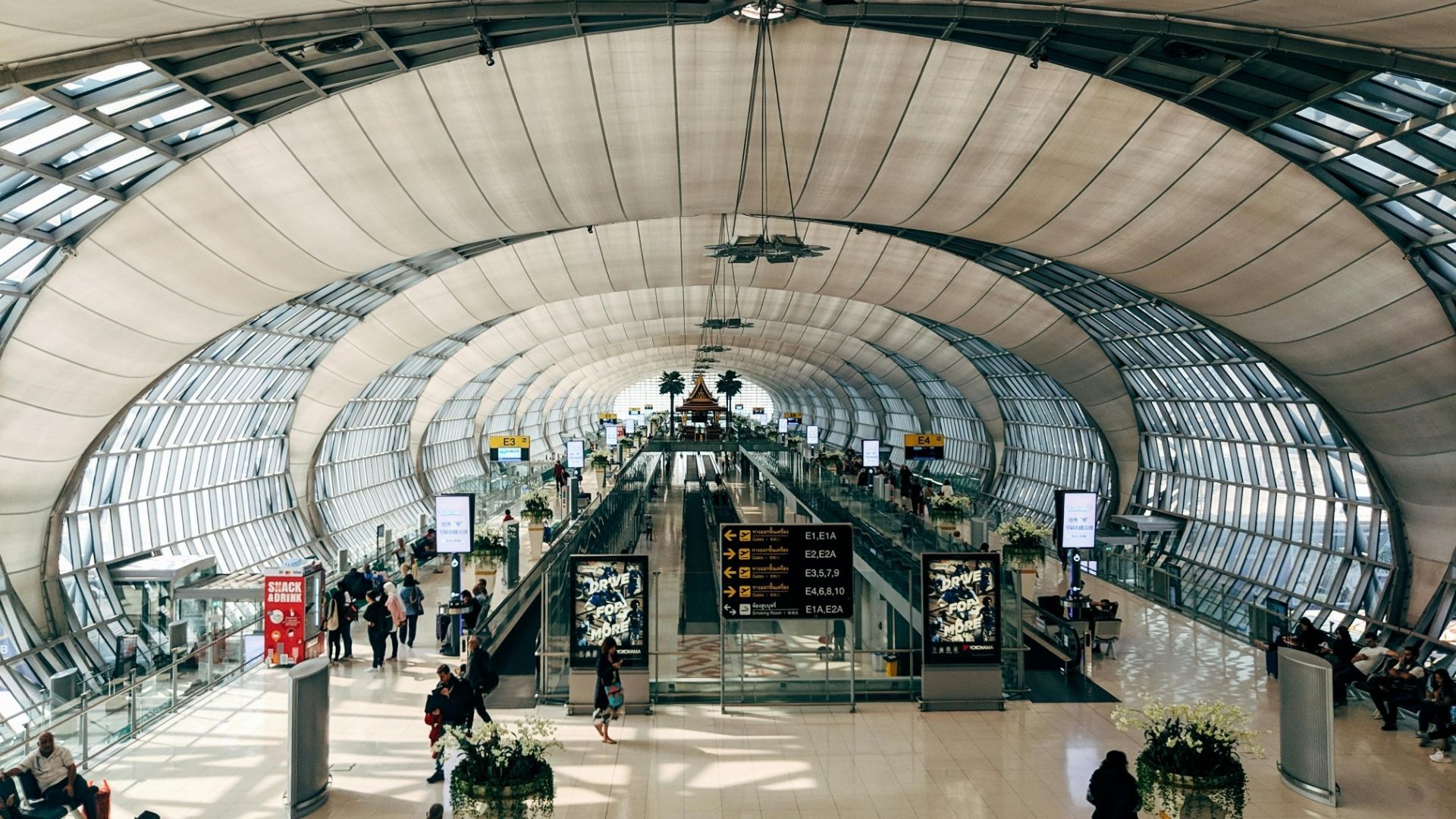
Suvarnabhumi Airport, Thailand (for illustration purposes only)
BANGKOK: After foreigners abused a programme allowing travellers from nearly 100 countries and territories to stay in Thailand for 90 days without obtaining a visa, the country has scrapped it.
The move came after several foreigners had been arrested in Thailand for cases that include those linked to human trafficking and drug smuggling. Last month, a police raid on an unlicensed international school in Bangkok revealed that 10 foreigners had been working there without a permit.
According to Prime Minister Anutin Charnvirakul, the programme needed to be revised to make it “more suitable for the current situation, both in terms of the economy and national security".
Thailand, one of the biggest tourist spots across the globe, let alone Southeast Asia, made it possible in 2024 for tourists from 93 countries and territories, including Singapore, Australia, China, France, Germany, India, Italy, Spain and the US to enter the country and stay for 60 days. This came in the wake of the COVID-19 pandemic, which badly affected tourism, and the industry is important to Thailand’s economy.
With the change in the programme, how long tourists can stay will be judged on a country-by-country basis. Now, many of the citizens from the countries and territories that had been under the visa-free programme may stay for 30 days, but will be required to apply for a visa for longer stays.
Thailand had 40 million visitors in 2019, the year before the pandemic struck. In 2025, the country saw almost 33 million visitors, with India, China, Malaysia, and Russia as the top four countries of origin for tourists. This year, the country has seen about 12 million visitors so far, but the tourism industry has been affected by the conflict in the Middle East.
Newsletter
Get updates straight to your inbox
While tourist arrivals already fell by 1.8% in February, in March, the number dropped by 8.7%. Chayawadee Chai-anant, the Assistant Governor of the Bank of Thailand, said that tourism arrivals from Gulf countries fell to nearly zero in March, in large part due to multiple airport closures in the region. /TISG