
With months of fuel supply, Singapore is better positioned than other Asian countries, but real risk is prolonged disruption
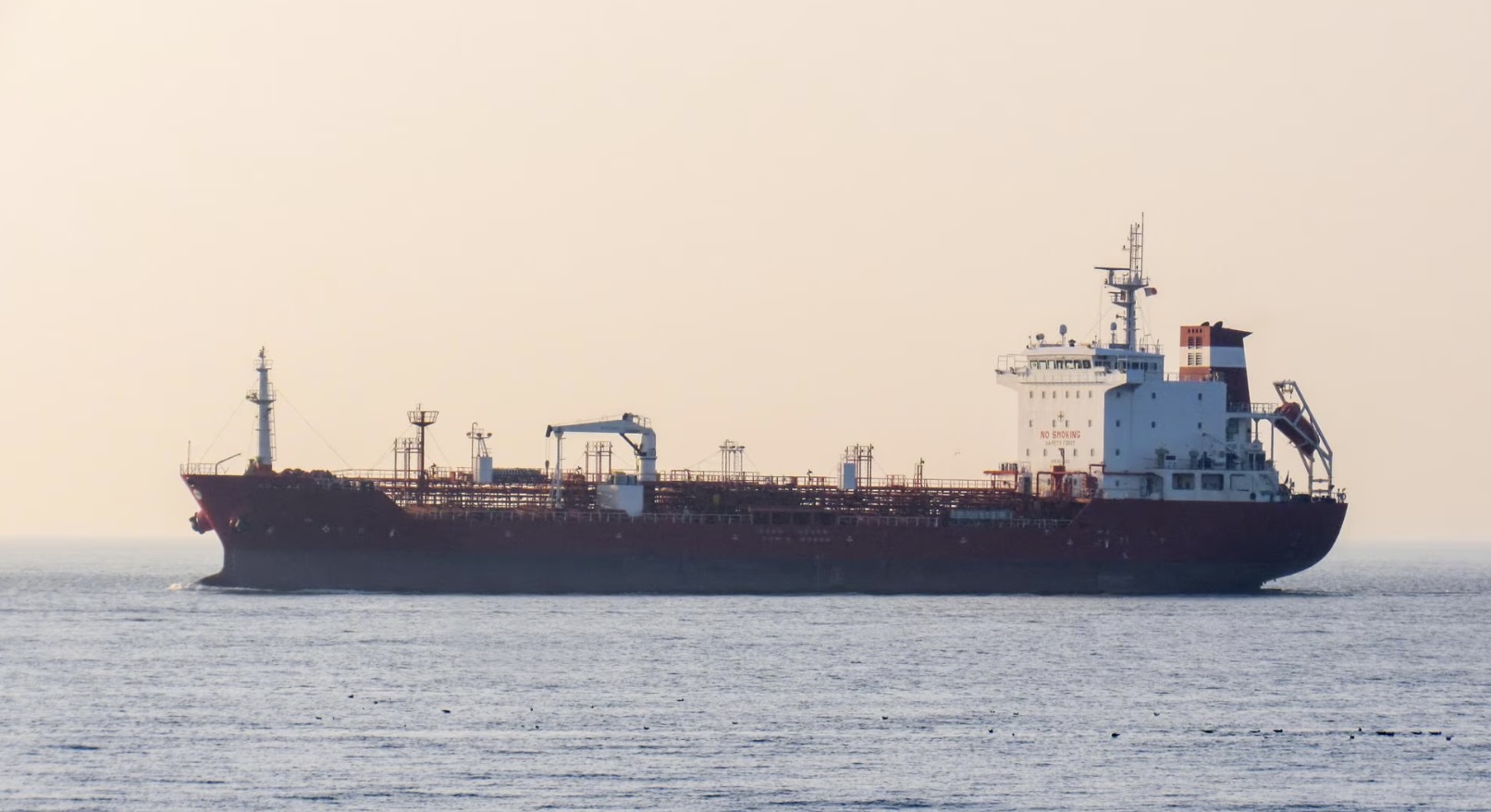
SINGAPORE: In an interview last week, Minister-in-charge of Energy and Science and Technology Tan See Leng sounded a reassuring note, saying that Singapore’s fuel stockpile is good “for months.”
While he could not disclose exact figures for security reasons, Dr Tan told the hosts of CNA’s Deep Dive that Singapore diversified its energy sources since the energy crisis of 2022.
While the war in the Middle East has not ended within days, as some had hoped and even expected, the government has some intervention measures to address fuel price increases, as well as to help businesses.
When asked by host Tiffany Ang if a price increase would already reflect on next quarter’s electricity bill, Dr Tan said that it would be “very difficult” for the government to keep prices down, given that importing costs will be going up.
“But what we can do as the government is to manage that gradient of increase,” he added.
The minister reiterated some points in a Facebook post that followed, telling Singaporeans to “therefore expect electricity prices to increase in the coming months,” and encouraging households and businesses to conserve energy.
He added that government support is at the ready, including the U-Save rebate announced during the Budget rollout, in that eligible HDB households would receive 1.5 times the regular rebates, or up to $570.
Asia’s energy needs
The most recent developments in the war, including the disruption of liquid natural gas (LNG) production in the Middle East, have caused a sharp rise in oil and gas prices across the globe as well as uncertainty about LNG supply flow to the region.
However, because Singapore’s stockpile is designed as a buffer against uncertainties, short-term disruptions can be covered. But Singapore imports all its gas and a percentage of LNG. If shortages worsen, refilling its stockpiles may well become costlier and more uncertain.
Nevertheless, Singapore is in a better position than other countries in the region. The most vulnerable nations at the moment are in South Asia, with Sri Lanka, Pakistan, and Bangladesh already experiencing shortages and rationing fuel due to limited reserves and financial capacity.
At risk as well are the industrial economies in East Asia, including Japan, South Korea, and Taiwan, as they are extremely dependent on imported oil and LNG, most of which flows through the Strait of Hormuz, which has been all but closed due to the war. Japan, for example, imports 95 per cent of its oil from the Gulf region. While these countries have reserves, these can be easily depleted due to large consumption.
Newsletter
Get updates straight to your inbox
As for Southeast Asia, countries such as Vietnam, the Philippines, Thailand, and Cambodia are also heavily dependent on imported fuel, and largely have limited reserves. In Cambodia, some fuel stations have already closed due to supply disruption.
A graphic published by The Business Times earlier this week showed the number of days of fuel reserves some Asian countries have: Japan—254, China—115, Thailand—95, the Philippines—55, Vietnam—45, and Indonesia—23. /TISG
Read also: Asia scrambles to conserve energy as Iran war disrupts oil and gas supplies