
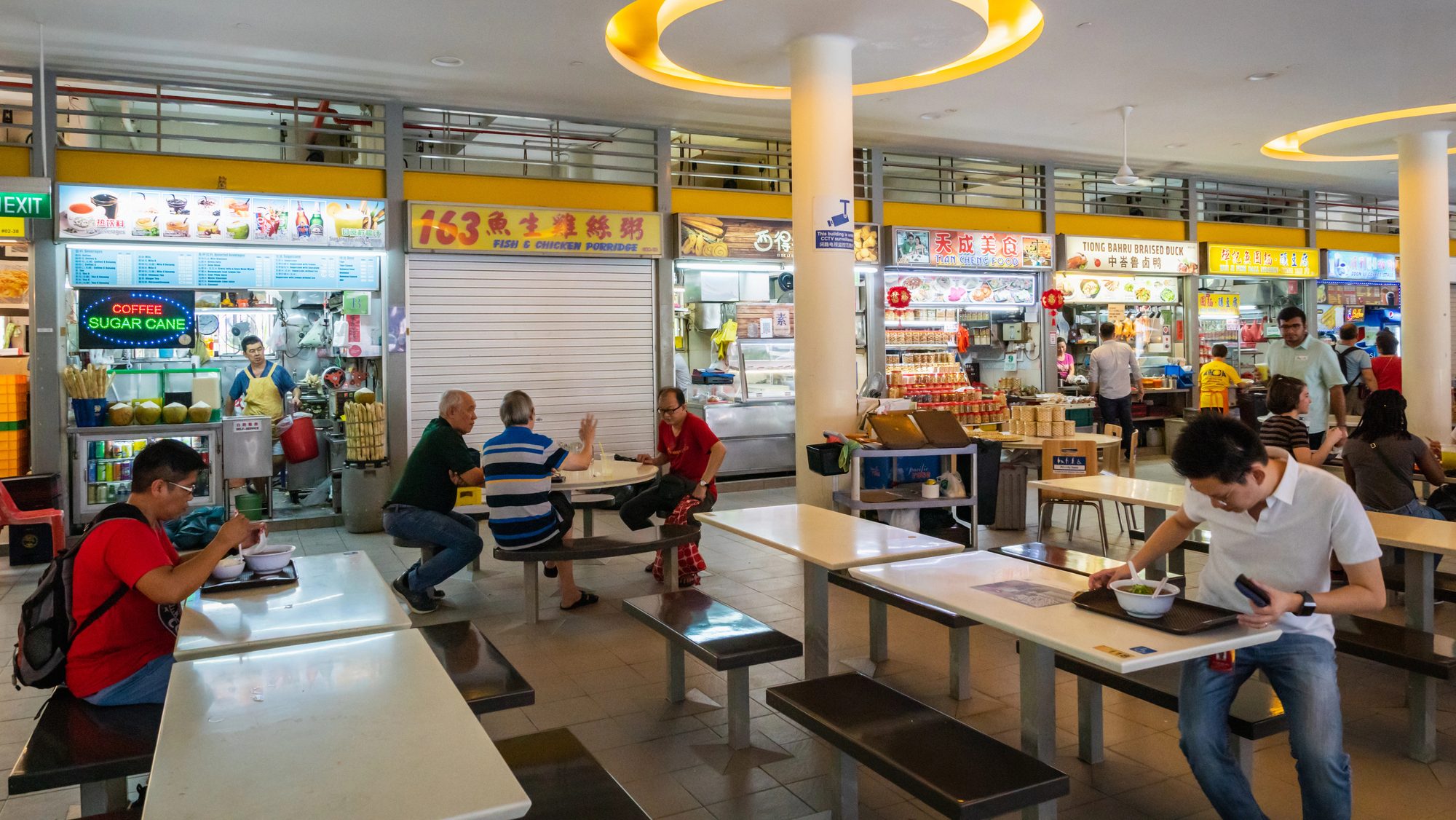

SINGAPORE: It began as a simple walk past a local coffee shop, something thousands of Singaporeans do daily. But for one Redditor, what she saw gave pause: five kiosks closed forever, including a zi char stall.
“I’ve never seen a zi char stall close shop before,” she wrote. Curious, she approached the aunties at the drinks stall. The reason for the closing? Over-the-top rental fees.
That scene triggered an unfathomable image of something that’s been gently tiptoeing up on us — are property-owners, landlords, and the ecosystem around them, gradually eating away at the soul of Singapore’s local food landscape?
A zi char casualty
Zi char stalls — those busy, wok-heated corners of the coffee shop providing everything from sambal kangkong to sweet and sour pork — are a keystone of Singapore’s gastronomic culture. Unlike fashionable cafés and snack bars, these stalls depend on constant footfall and unchanging budgets to survive. When one stall closes, it’s not just a business loss; it’s the termination of a collective local experience.
Economics or exploitation?
“Landlords will only reduce rent when they feel the pain of vacancy,” one commenter wrote. “Otherwise, they’ll just keep squeezing. Simple economics.”
It’s a reasoning entrenched in free-market judgment — owners charge what the market can tolerate, but for many, it feels not so much about economics but more like manipulation or exploitation.
Others cited a broader issue — real estate representatives and the commission-based inducement system. One netizen specifically mentioned PropNex, claiming that its supremacy results in a race to the top in rental pricing.
“I know an agent who failed in his MNC career,” the commenter shared. “Now he owns multiple properties, flips shophouses, and flaunts his S$100K watches on Instagram. Just an average guy with anger issues who got rich gaming the system.”
Who’s really to blame?
The blame game didn’t stop at landlords and agents. Another Redditor blamed civil servants for letting HDB coffeehouses be sold at exorbitant prices in the first place, igniting a domino effect.
Still, others believed it was a cultural failure: “Mostly just greedy, want-to-get-rich, self-centered thinking.”
And possibly that’s the core of the problem. When returns outdo public good, the fatalities aren’t just zi char kiosks, but people’s small daily luxuries, communal spaces, and people’s shared identity.
A system under strain
This isn’t about wistfulness. It’s about whether the current system still has space for tiny businesses to flourish. When a modest zi char stall can no longer continue to exist in a neighbourhood coffee shop, it’s a threatening sign—not just for vendors, but for everyone. Because if even the wok rulers are conking out and doing the exit, who’s next?
Maybe it’s time people ask not just what is closing, but why, and what kind of Singapore do Singaporeans want to preserve for future generations.
 Follow Google News
 Join us on WhatsApp
 Follow us on Telegram