
WhatsApp account takeover scams hit 128 cases as fraudsters pose as friends and family

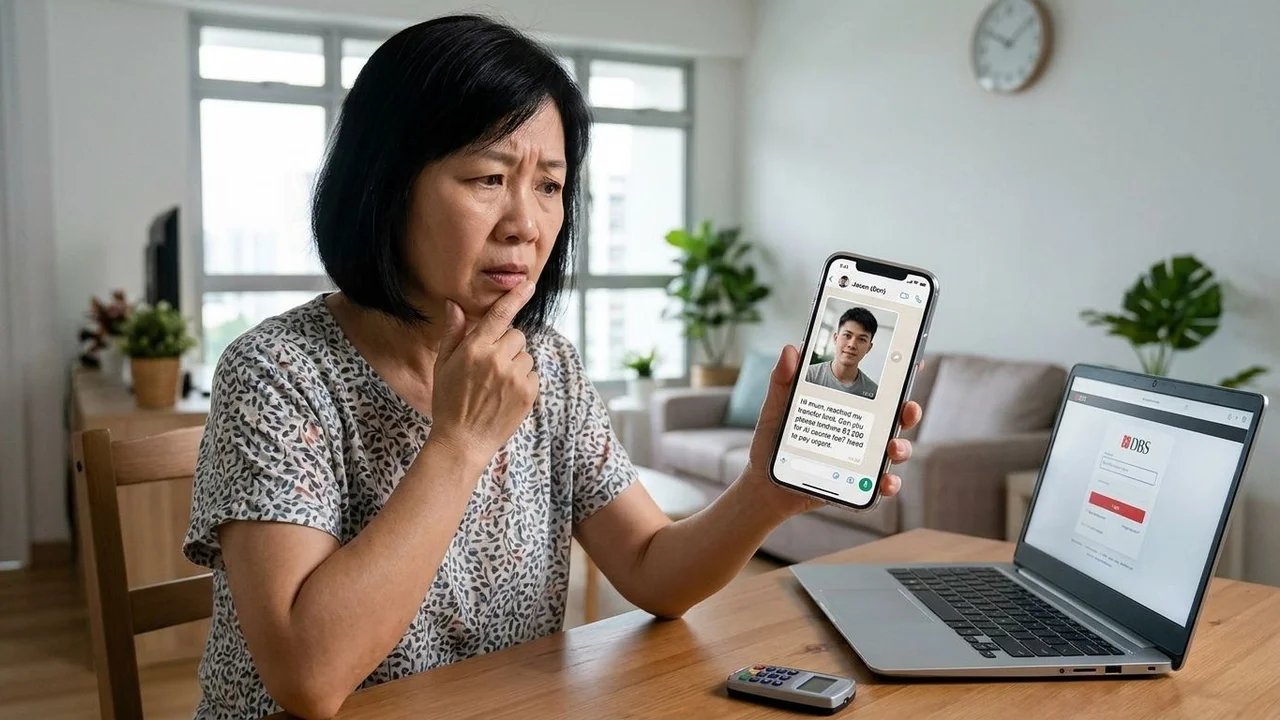
SINGAPORE: The Singapore Police Force (SPF) has issued an advisory warning the public about a surge in WhatsApp account takeover scams where fraudsters impersonate account owners to solicit loans and money transfers from their contacts, with at least 128 cases reported and total losses of at least S$249,000 since September 2026.
Victims receive WhatsApp messages from scammers posing as family members, friends, colleagues, or acquaintances, using compromised accounts that make the messages appear genuine.
The scammers then request monetary loans or ask victims to transfer money on their behalf, citing reasons such as difficulty making bank transfers, having reached maximum transfer limits, or needing help making payments.
In a variant targeting parents specifically, victims receive messages purportedly from their children asking them to pay for an AI course or exchange programme. This is a tactic seen in a separate advisory issued earlier this month involving students’ accounts being compromised.
Victims typically only realise they have been scammed after contacting the real person, discovering that the account they were messaging had been taken over.
Securing your WhatsApp account
The Police reminded the public to enable Two-Step Verification on WhatsApp and remove any unnecessary or unknown linked devices. To check linked devices, go to Settings > Linked Devices.
The SPF recommends that the public follow the ACT framework:
Add the ScamShield app to block scam calls and filter suspicious messages.
Newsletter
Get updates straight to your inbox
Check any unusual money request by calling the person directly, and not by replying to the same WhatsApp account making the request, before transferring any funds.
Tell family, friends, and authorities about scam attempts, and contact your bank immediately if you suspect you have been defrauded.
For more information, visit www.scamshield.gov.sg or call the 24/7 ScamShield Helpline at 1799.
Read also: SPF warns of hotel booking scams using real reservation details, with S$185,000 lost since January