
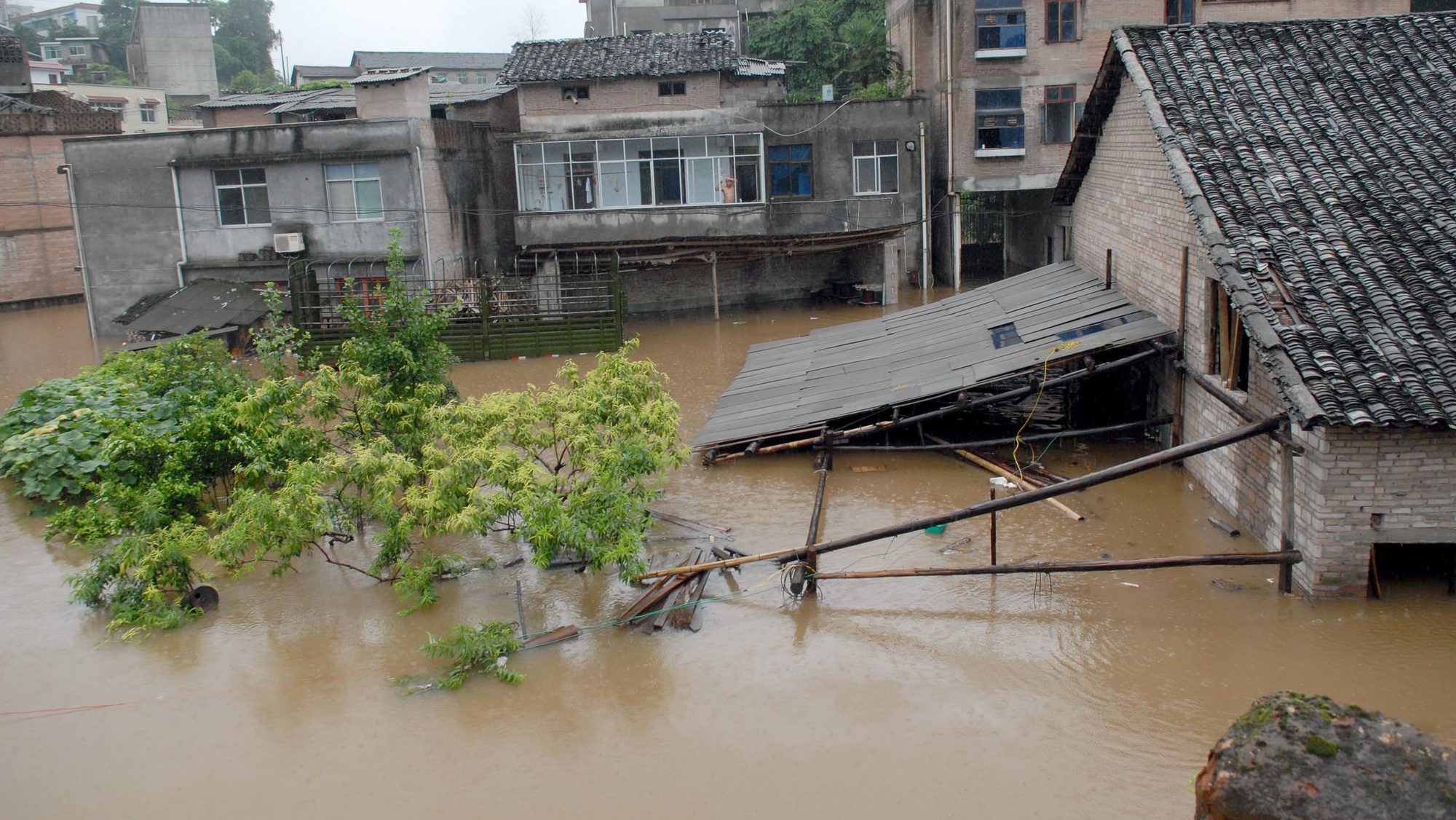

SOUTHEAST ASIA: Relentless rains have once again upended daily life for communities across Southeast Asia, leaving families in southern Thailand grieving the loss of at least eight loved ones and pushing more than 15,000 Malaysians into crowded evacuation centres. What officials described as a worsening test of climate resilience has, for millions of ordinary people, simply become a fight to keep their homes and livelihoods intact.
In southern Thailand and northern Malaysia, waist-deep water now covers streets that only days ago bustled with shoppers, schoolchildren, and workers. Ten Thai provinces and eight Malaysian states—still recovering from last year’s deadly monsoon floods—now find themselves underwater again. For residents, the questions that animate policy debates about preparedness and cross-border coordination feel painfully urgent and personal.
In Hat Yai, Thailand’s commercial lifeline to the south, the skies unleashed their heaviest single-day rainfall in more than 300 years. Television images over the weekend showed people trudging through swirling brown currents that swallowed entire market stalls. Parents pulled their children along in plastic tubs turned into makeshift boats. Drivers abandoned vehicles in long rows on the few dry roads left, hoping the water wouldn’t rise any higher.
Most of Thailand’s eight deaths were caused by electrocution and other flood-related accidents—tragedies that unfolded in homes and neighbourhoods where electricity, water, and mobility all collided. With 700,000 households affected, authorities have sent out hundreds of boats and tall vehicles to reach marooned families, though many residents say aid feels slow compared to the speed at which the waters rose.
Across the border in Malaysia, more than 90 evacuation centres have filled with families who grabbed what they could before being moved to safety. Civil defence teams, armed with boats and four-wheel drives, are still trying to reach isolated villages. No fatalities have been reported so far, but officials say the next few days remain unpredictable. Deputy Prime Minister Ahmad Zahid Hamidi urged residents to stay strong, sharing hopes that the damage would not be as devastating as feared.
Further north in Vietnam, the water is finally starting to recede after a brutal week of floods and landslides that killed 91 people and knocked out electricity for 1.1 million homes and businesses. For families returning to their villages, the losses are staggering: houses ruined, fields erased, and fishing ponds swallowed whole. The government says early damage estimates have reached US$493 million (S$644 million), and emergency cash and 4,000 tonnes of rice are being distributed to those with nowhere left to turn.
In total, more than 200,000 homes, vast croplands, and over a thousand hectares of fish farms were submerged across Vietnam. Even the coffee farms of the central highlands—vital to the livelihoods of growers and to global coffee markets—now stand waterlogged, threatening harvests and incomes.
As Southeast Asia suffers yet another downpour resulting in loss, interruptions, and ambiguity, political analysts and forecasters warn that the burden on governments will only escalate, but for the people pushing their way through waterlogged highways, snoozing on temporary living quarters in evacuation areas, or going back to tumbledown fields, the ‘fight’ is far more instantaneous.
That is because before people trouble themselves about climate policies or economic tremors, they are fixated on the most rudimentary hope of all — staying safe until the waters finally subside.
 Follow Google News
 Join us on WhatsApp
 Follow us on Telegram