
SMRT strengthens strategic partnerships in Shenzhen and Guangzhou to drive innovation and sustainable transport solutions
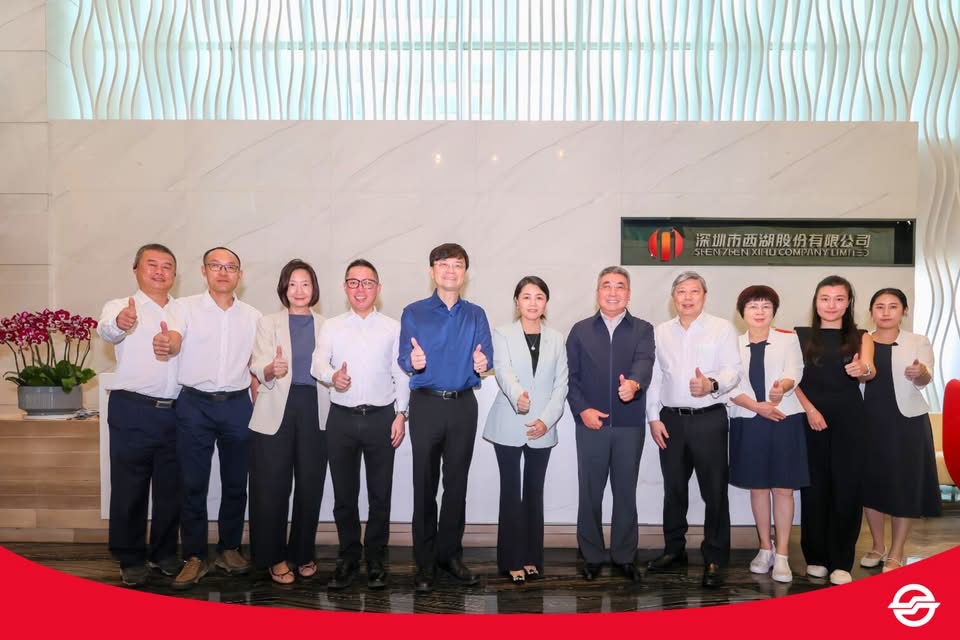
Photo: Facebook / SMRT
SINGAPORE: For most of us, taking the bus or train is just part of our daily routine, but behind every smooth ride and well-timed connection are years of planning, learning, and collaboration, not just in Singapore, but with transport experts around the world.
Recently, a team from SMRT, led by Chairman Mr Seah Moon Ming and Group CEO Mr Ngien Hoon Ping, travelled to Shenzhen and Guangzhou to strengthen partnerships that could help shape the future of Singapore’s public transport.
In Shenzhen, the delegation met with Shenzhen Xi Hu, SMRT’s long-time partner that helped establish Zona more than 10 years ago. Zona runs a range of transport services, from city buses and long-distance coaches to car rentals and even tourism transport, all while focusing on technology and sustainability.
Through this partnership, SMRT Buses and STRIDES Premier have picked up valuable lessons on how to manage and maintain Electric Vehicle (EV) fleets, as well as how to uphold strong safety standards. Zona itself operates EV fleets in Beijing and has started rolling out autonomous vehicle (AV) projects across several Chinese cities, which is something that could one day influence Singapore’s move towards smarter, cleaner mobility.
SMRT shared that it’s encouraged by Zona’s growth and resilience, especially in China’s fast-changing transport industry. The two organisations share the same goal: to keep improving and innovating, while staying focused on sustainable and reliable transport.
Over in Guangzhou, SMRT also met with Guangzhou Metro to exchange ideas on metro operations and maintenance engineering. Both sides also discussed possible staff exchanges to deepen bilateral expertise and technical know-how.
It is hoped that the lessons from these discussions will help SMRT further improve train reliability back home and support ongoing efforts, especially with the recently established Rail Reliability Task Force.
Why this matters to Singaporeans
While these kinds of visits might sound insignificant for daily commutes, they could actually make a big difference to the way people travel in the years to come.
Newsletter
Get updates straight to your inbox
By learning from SMRT’s partners in Shenzhen and Guangzhou, especially in areas like electric and autonomous transport, SMRT is preparing Singapore for a greener and smarter future. This could mean more energy-efficient buses, cleaner air, and even smarter systems so that your journeys remain timely and comfortable.
All of these efforts are made so that commuters have a more reliable, sustainable, and forward-looking transport network. And for SMRT, it’s another step in making sure that every ride, from your morning train to your late-night bus, keeps getting just a little bit better.
Read also: SMRT Buses honoured at ROADS.sg Awards 2025 for excellence in road safety and innovation