
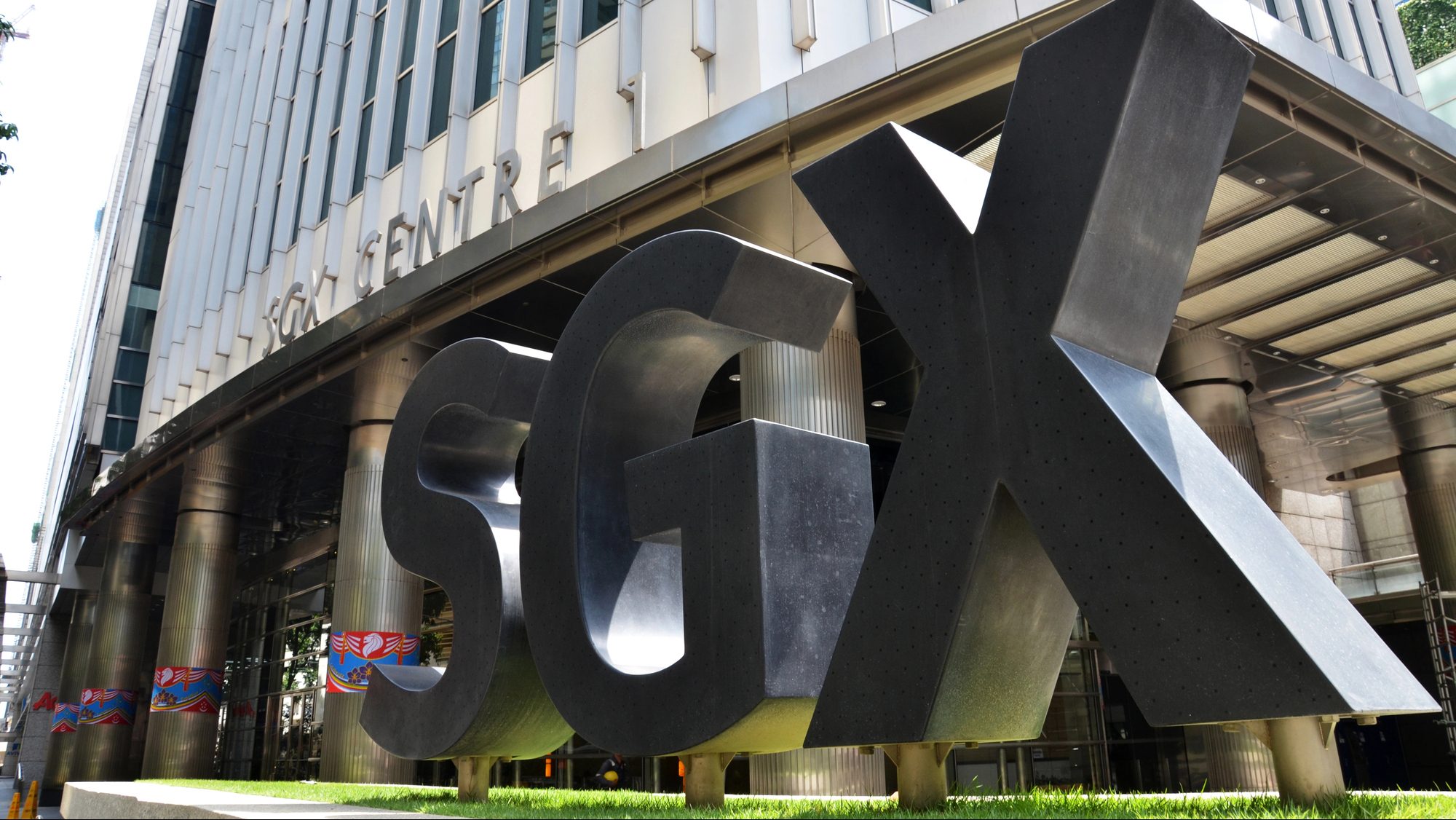

SINGAPORE: Singapore is making it easier for homegrown and regional companies to take their first big leap onto the global stage. The city-state has unveiled a new initiative that lets companies list on the Singapore Exchange (SGX) and Nasdaq at the same time—a move designed to simplify the process, cut costs, and make U.S. capital markets more accessible.
The announcement, made on Nov 19, has already caught the attention of businesses exploring international growth. The program, described by Nasdaq as “the first of its kind,” will allow companies to use a single prospectus for both listings. It’s set to launch by mid-2026.
Singapore is hoping this new route will strengthen its position in a competitive region. Over the past year, the city-state has rolled out tax incentives and other measures to attract both Southeast Asian and global companies. So far, the strategy is showing results: IPOs in Singapore raised about US$2.15 billion (S$2.76 billion) in 2025—the most since 2017, but it’s still a fraction of Hong Kong’s haul of US$37.2 billion at its peak, according to LSEG data.
The move also comes after Hong Kong enjoyed a surge in AI-fueled IPOs over the past two years. Singapore is now banking on Nasdaq’s prestige to help it regain momentum and cement its role as a hub for growth companies seeking global capital.
Several companies have welcomed the initiative. Singapore-based Carro, backed by Temasek and SoftBank Group, has been considering a U.S. IPO with a valuation of over US$3 billion. “Our hesitation for a dual listing has always been complexity and the need to deal with two regulators during an IPO,” said co-founder and CEO Aaron Tan.
Malaysia’s used-car platform Carsome called the program “constructive,” pointing out that a smoother, cross-border listing process could prompt companies to rethink their options. Singapore-based Funding Societies said the tie-up opens doors for Southeast Asian startups to access U.S. markets that might otherwise be out of reach. Hummingbird Bioscience, a local biotech firm, described it as a “bridge” connecting science-focused investors in Asia and the U.S.
All four companies declined to share firm IPO plans. Nasdaq vice-chairman Bob McCooey, however, said the Global Listing Board “will create meaningful value for the region and facilitate a global marketplace.”
For Singapore, the goal is clear: Make IPOs more accessible, give companies a global stage, and signal that the city-state is serious about becoming a key hub for international capital.
 Follow Google News
 Join us on WhatsApp
 Follow us on Telegram