
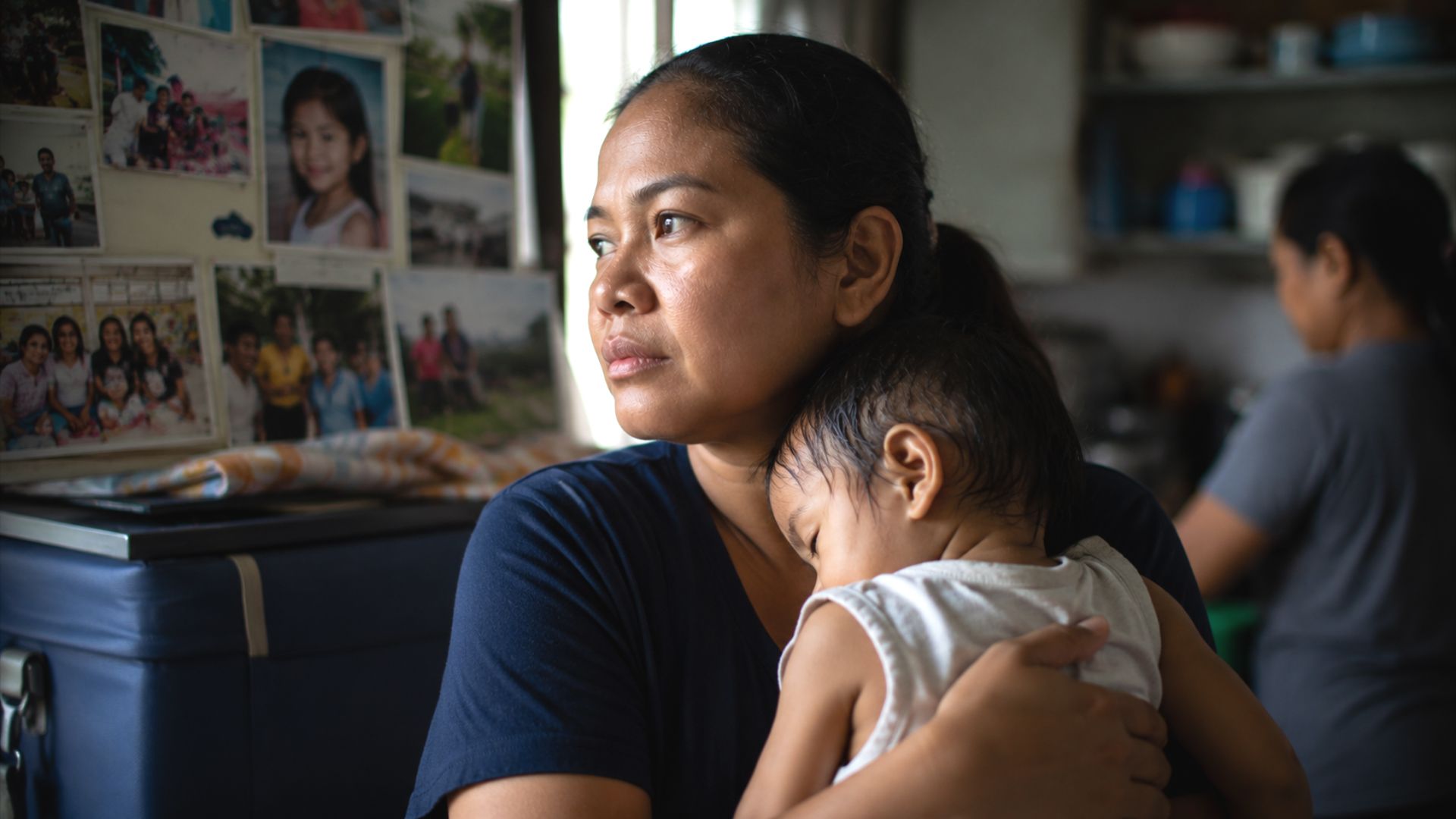

SINGAPORE: For many of Singapore’s migrant domestic helpers, the hardest part of the job begins before they even arrive.
It starts with leaving behind children, parents and spouses, hoping that years apart will give their families a better future. While they spend their days caring for Singaporean households, many silently carry the emotional weight of missing birthdays, graduations, and everyday family moments.
Those personal journeys took centre stage as the Centre for Domestic Employees (CDE) celebrated its 10th anniversary on June 21 at Resorts World Sentosa. The event recognised the contributions of migrant domestic workers and celebrated a decade of support through welfare services and training in areas such as dementia, elder, and infant care, the National Trades Union Congress (NTUC) stated.
Years apart become the price of giving their loved ones a better life and future
Every helper’s story was different, but many shared the same reason for coming to Singapore.
Jenita, 31, left India seven years ago during a difficult period for her family. Since then, she has spent much of her adult life caring for other families in Singapore while continuing to support her own from afar.
Jacqueline, a 41-year-old from the Philippines, left her factory job 11 years ago to earn more for her three children. The decision meant missing important moments in their lives, but she said every sacrifice has been driven by her goal of giving them a better future.
Josephine, 53, also from the Philippines, previously worked in government back home before taking jobs overseas to improve her children’s future. After working in Japan as a performing entertainer, she came to Singapore 17 years ago and has stayed focused on providing for her family despite the long separation.
Some helpers build new skills while earning a living abroad
Not every story is centred only on higher income. Sriti, 35, arrived from India eight years ago after running her own business for seven years. She wanted to experience a different environment, learn new skills and broaden her outlook.
She has volunteered with CDE for the past three years and plans to return home this August to reunite with her husband, marking the end of both her time in Singapore and her volunteer work with the organisation.
Poieesan, 25, from Myanmar, previously worked as a nurse but left because of low wages and limited career prospects. Besides earning a living, she hopes to improve her English and Chinese so she can eventually return to the healthcare sector in Singapore.
Women from different backgrounds share a common goal of supporting their families
Teti and Ratma, both 31, met each other after arriving from Indonesia.
Although one had been a full-time mother and the other ran a food business, both made the same difficult choice: to work overseas so their daughters could enjoy better lives.
Their stories reflect a common thread among many migrant domestic helpers or workers. Behind each helper is a family depending on the income they send home and the sacrifices they make every day.
Domestic helpers make it easier for Singapore families to care for their own loved ones
Migrant domestic helpers have become an essential part of many Singapore households, helping families care for young children, older adults and people with caregiving needs. Their work allows many Singaporeans to stay in the workforce, knowing that their loved ones are looked after.
Their true-life stories shared during CDE’s anniversary serve as a reminder that every helper brings her own ambitions, responsibilities, and family commitments.
Recognising their life experiences can strengthen mutual respect between employers and helpers, making caregiving a partnership built on care and dignity.
As Singapore continues to rely on migrant domestic workers, remembering the people behind the profession is just as important as appreciating the work they do and the sacrifices they make for the families on a land far away from their own.
Read related: Maid says, ‘I was once a finance associate in a Philippine company, but now I’m just a domestic helper in a Singapore home’
 Follow Google News
 Join us on WhatsApp
 Follow us on Telegram