
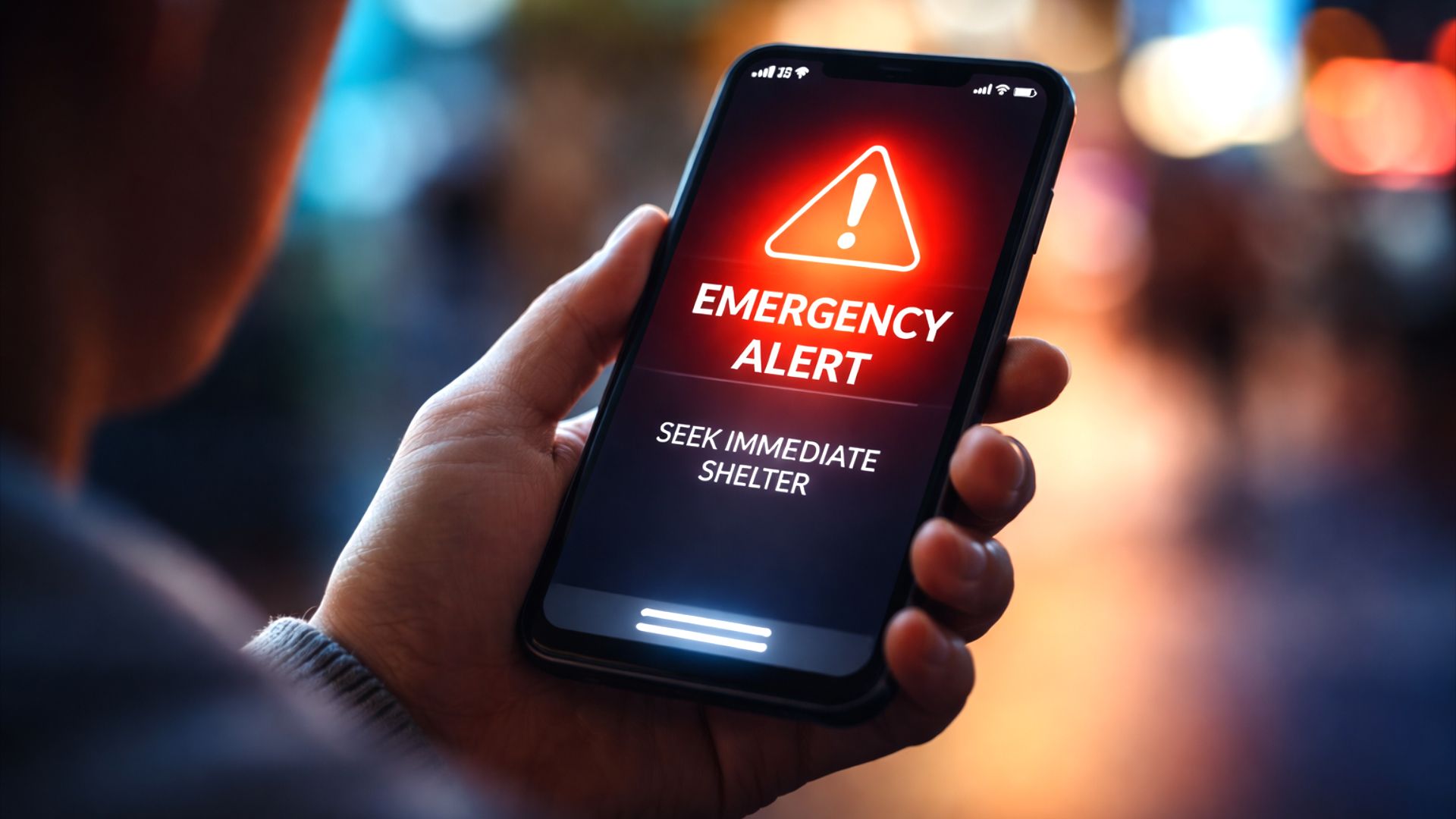

SINGAPORE: Singapore will begin rolling out a new mobile emergency alert system in May, starting with Singtel subscribers. The system, called SG Alert, is designed to push urgent warnings directly to mobile phones, even when devices are on silent or networks are congested.
The system will expand to StarHub users by the end of 2026, followed by M1 and Simba users by mid-2027. The phased rollout reflects coordination across telecom providers and infrastructure readiness, Channel NewsAsia (CNA) reports.
Faster alerts for faster public action
SG Alert is built for high-stakes moments. It will be used for incidents like major fires, chemical leaks, or terror threats where fast public action is needed.
Unlike SMS alerts, these notifications come with a distinct tone and vibration. They also override “do not disturb” settings. Messages appear as pop-ups with guided instructions on what to do next.
The Singapore Civil Defence Force (SCDF) said alerts can reach users within seconds using cell broadcast technology. This method sends messages to many devices at once, without relying on mobile data or collecting personal information.
No additional app required, but OS updates are needed
There is no need to install any app. SG Alert is built into supported phones. However, users must update their devices to the latest operating systems to receive alerts properly.
Supported systems include newer versions of Apple iOS and Android, with updated security patches. Some older devices may display alerts under a different label, such as “Presidential alert,” due to compatibility limits.
Alerts are location-targeted, not islandwide blasts only
One key feature is location targeting. Alerts can be sent across the entire island or limited to specific areas affected by an incident.
This means that people near a fire, for example, will receive location-specific instructions, while others elsewhere will not be unnecessarily alarmed.
Visitors connected to local mobile networks, including those using eSIMs, will also receive alerts within affected zones.
Public test alerts set for May
To check system performance, SCDF will run a nationwide test for Singtel users on May 10 at 12 pm. More details will be shared closer to the date.
After the test, SG Alert will be activated for real emergencies. Until then, non-Singtel users will continue receiving standard SMS alerts.
Alerts are part of a broader emergency network
SG Alert isn’t replacing existing systems. It just adds to Singapore’s current setup, which includes sirens, TV and radio broadcasts, and apps like SGSecure and myResponder.
SCDF said these platforms serve different roles. While SG Alert focuses on urgent warnings, other tools provide education, updates, and community response features.
Senior Assistant Commissioner Alan Chow, SCDF’s senior director of operations, explained that fast communication is critical during emergencies. The new system improves the speed at which authorities can reach the public when time is tight.
Global trend for emergency broadcasts
Singapore isn’t alone in adopting this approach. Countries like Japan and South Korea already use similar systems for disaster alerts. Australia is also preparing to launch its own version later this year.
The move mirrors a global trend: relying less on traditional messaging and more on direct, instant broadcasts.
No app, no opt-in, no delay
Mobile phones are always within reach. This makes them the fastest way to reach people during a crisis. SG Alert taps into that reality.
Such alerts also remove friction as there’s no app, no opt-in, no delay. The message simply appears when needed.
For a city like Singapore, where response time can shape outcomes, such speed matters.
Read alerts, act fast!
When the alert comes through, read it and act. That is the whole point of the system.
Technology can deliver the message fast, but the outcome still depends on how people respond.
 Follow Google News
 Join us on WhatsApp
 Follow us on Telegram