
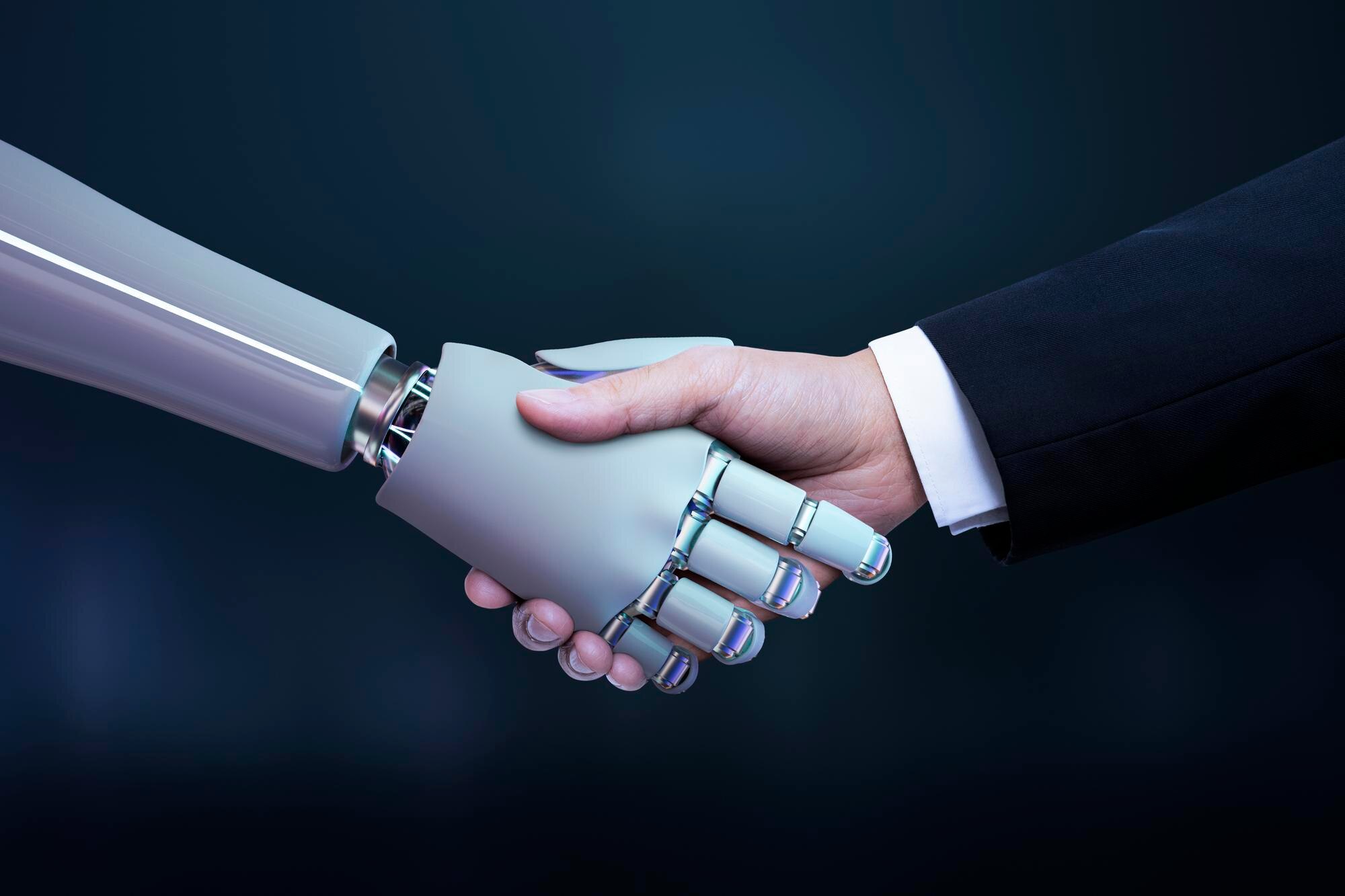
Photo: AI robot handshake by Freepik @ rawpixel.com (for illustration purposes only)
Rise of the robot colleague: Why workers are choosing AI over each other

INTERNATIONAL: Today’s workplaces have significantly changed — more and more workers are turning to artificial intelligence (AI) for ideas and emotional support instead of their human officemates, and this trend has rewritten the rules of workplace culture. According to Microsoft's latest Work Trend Index report, published by HRD Asia, an increasing number of professionals see AI as a collaborative partner and not a mechanical tool, a “different kind of team member.”
AI becomes the ultimate brainstorm buddy
Approximately half (46%) of employees now see AI as a dependable and consistent "thought partner" — a source of productive ideas, a brainstorm buddy, that can spur creativity, challenge their cognitive abilities, and test their perceptions. Instead of only banking on human colleagues, countless workers have opted for AI for its exceptional gains. Employees said they turn to AI because it's at all times accessible (42%), provides rapid responses and superior results (30%), and delivers a continuous stream of novel concepts (28%). More than these advantages, AI doesn’t get tired as it has unlimited capacity (23%). In short, AI is prepared and equipped to work at any time of the day.
Dodging drama: Why some avoid human help
For many workers, the move towards AI is not merely about acquiring competence or achieving productivity — it is also about dodging the uneasiness of working with colleagues, especially those who have attitude problems. Respondents to the survey mentioned anxiety over judgment (17%), personal tensions (16%), and highly demanding colleagues (15%) as motives why they chose AI. A minor group (8%) even said they try to sidestep alliances or teamwork tasks because co-workers tend to claim too much credit for things they didn’t even exert effort on.
“It’s a mindset shift,” said Conor Grennan, chief AI architect at NYU Stern School of Business. “We’ve been trained to see technology as a tool, but AI is something different — it’s like a new teammate.”
From HR to IR: The next evolution in the workplace
As AI becomes a vital player in everyday work, businesses are starting to reconsider how teams should work. The report proposes that all workers will have to build capabilities around communicating well with AI, such as creating improved prompts, filtering AI-produced replies, and detecting flawed reasoning.
Newsletter
Get updates straight to your inbox
Specialists even forecast the development and rise of a completely new division to accomplish this trend. “Just as HR and IT became foundational functions, we’ll likely see the rise of Intelligence Resources departments,” said Harvard's Karim Lakhani. These divisions will aid in overseeing how humans and AI intermingle and collaborate, eventually becoming a key driver of competitive advantage in AI-first establishments.