
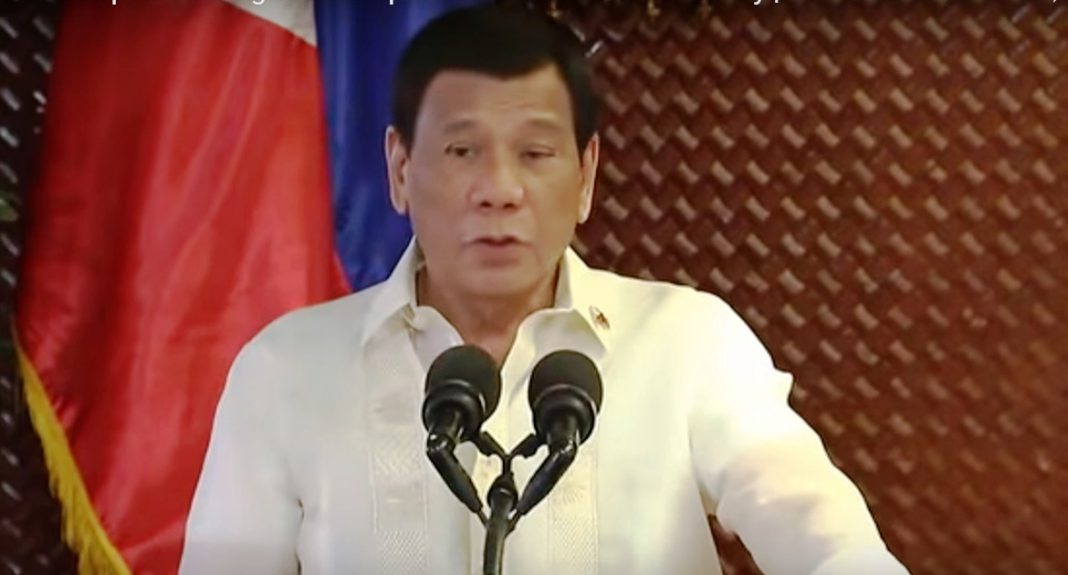

The violent and bloody approach of Philippine President Rodrigo Duterte to eliminate the drug problem in the Philippines should never be replicated by other countries in the world.
This was stressed by Michelle Bachelet, United Nations High Commissioner for Human Rights, in her statement during the 40th session of the UN Human Rights Council in Geneva, Switzerland, recently.
For the past three years, since President Duterte’s came into power in 2016, he has received blatant criticism from various human rights groups for the increasing number of so-called extrajudicial killings.
As of February 2019, over 5,000 reported drug pushers and addicts have been killed by the country’s anti-drug police task force operations.
This number is said to be inaccurate with human rights groups estimating the count to be at about 20,000 victims, including those vigilante cases.
Despite the thousands of executed lives, Philippine authorities have yet to capture the big fish in the ongoing multi-million dollar drug network in the country.
When urged to provide the real counts on the number of people killed in relation to drugs, Solicitor General Jose Calida said the government will not release documents in public for anti-drug campaign killings.
Ms Bachelet sought the Philippine government to implement a public health process to reduce potential harm to the reported drug addicts in compliance with human rights standards.
Give people a chance to change
“People who have fallen into the trap of relying on drugs need help to rebuild their lives; drug policies should not be more of a threat to their lives than the drugs they are abusing,” Bachelet cited.
But Duterte reportedly remains steadfast in his belief that saving drug addicts is of no use. He even refers to them as “lost souls.”
Also, Bachelet cited other related threats by the Duterte administration against local and international human rights advocates, opposition officials, and the media in the country.
The issue is aggravated, by initiatives to revive the death penalty and reducing the minimum age of criminal responsibility from age 15 to 12.
When President Duterte assumed office in June 2016, he launched the country’s drug war policy.
Based on former Philippine National Police Chief Ronald dela Rosa, the war on drugs campaign is designed to neutralize the proliferation of the illegal drug personalities nationwide.
According to reports, with Mr Duterte’s go signal, any suspected criminal or drug addict who refuses to be apprehended will be killed.
Although there were reported condemnations by several media organizations and human rights groups on this initiative, most of the local population and other country leaders from China, Japan, and the United States are showing support for this move.
 Follow Google News
 Join us on WhatsApp
 Follow us on Telegram