

HONIARA, SOLOMON ISLANDS: In a bold move underscoring their desire for sovereignty and unity, Pacific island leaders have shut the door—at least temporarily—on the world’s major powers, barring them from this week’s Pacific Islands Forum (PIF) Leaders’ Summit in the Solomon Islands capital, Honiara.
The decision to exclude 21 development partners—including the United States, China, the United Kingdom, and the European Union—from attending the five-day regional gathering marks a significant shift in tone. Traditionally present at these annual meetings since the 1990s, development partners have now been relegated to the sidelines, with only the World Bank and select UN agencies attending in observer roles.
Solomon Islands Prime Minister Jeremiah Manele, who is chairing this year’s summit, said the decision was aimed at shielding the forum from outside geopolitical interference.
“It is necessary to ensure engagement is conducted through a robust, transparent, and strategic mechanism that reflects our priorities, protects our sovereignty, and strengthens our collective voice globally,” Manele stated during a press briefing.
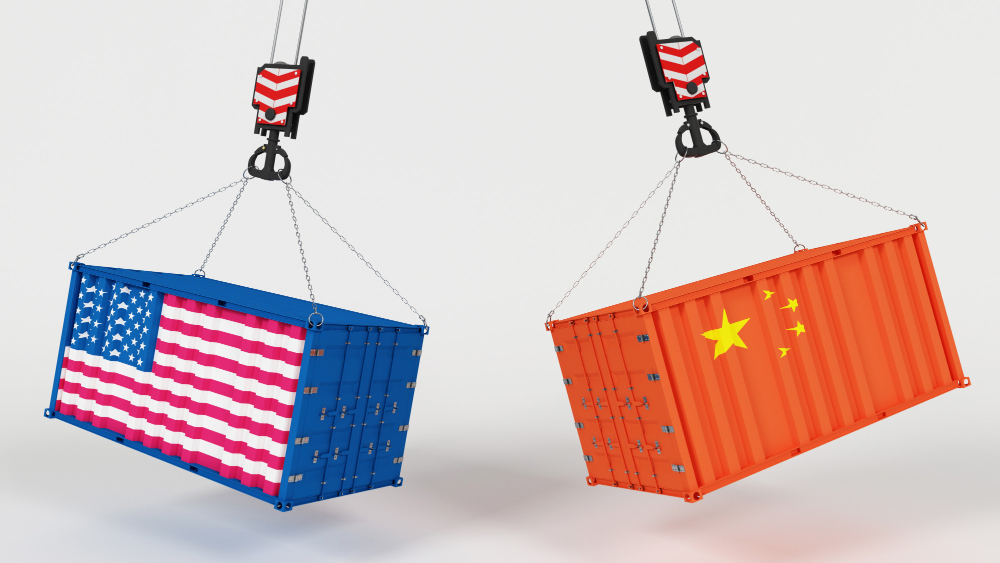
The backdrop to this impressive move is a region increasingly caught in the tactical rivalry between the United States and China. From the controversial and combative China-Solomon Islands security treaty in 2022 to current rival assistance efforts, the Pacific has become a geopolitical hotspot.
Adding to tensions are recent reports that Chinese officials lobbied to exclude Taiwan—a diplomatic ally of PIF members Tuvalu, Palau, and the Marshall Islands—from the summit. At last year’s meeting in Tonga, China reportedly sought to remove all references to Taiwan from the summit’s final communique.
China’s embassy in Honiara doubled down last month, insisting Taiwan “has no qualification or right to participate in Forum activities whatsoever.”
While the decision to bar international partners was framed as a united front, the response among Pacific leaders has been mixed. Support came from Palau’s President Surangel Whipps Jr. and Samoa’s Prime Minister Fiame Naomi Mata’afa. Crown Prince Tupouto’a ‘Ulukalala of Tonga praised the move as reflecting “our collective maturity and solidarity as a region”.
However, others voiced concern. Papua New Guinea and New Zealand were especially uncertain, while Marshall Islands President Hilda Heine warned of possible consequences from isolating major development partners, prodding Manele to reevaluate circumstances.
The tactical game in the Pacific is not only confined to negotiations and government moves; assistance and trade are proving equally potent and important. The US, under the Biden administration, sought to reaffirm its regional engagement via summits and aid packages, including over US$1 billion (S$1.34 billion) in fresh monetary support. New diplomatic buildings were opened and, lately, an FBI office was established in New Zealand.
Yet, new plans of action under President Donald Trump have affected that advancement. In early 2025, Trump enforced heavy tariffs on Pacific countries—32% on Fiji, 22% on Vanuatu, and 10% on Papua New Guinea. Pacific leaders were swift to criticise the move.
“If the US market becomes more difficult due to this tariff, we will simply redirect our goods to markets where there is mutual respect and no artificial barriers,” warned PNG Prime Minister James Marape.
Washington’s past withdrawals from global agreements like the Paris Climate Accord and the World Health Organisation have also undermined regional confidence in US leadership, particularly on climate—arguably the Pacific’s most pressing issue.
“The US’ seeming erosion of the international rules-based order… will be of concern to Pacific Island leaders,” said Joel Nilon, Senior Fellow at the Pacific Security College. “They rely on and invest heavily in the multilateral system to advance their key interests.”
China, by contrast, has been proactive in courting Pacific nations. This year, Beijing hosted its annual China-Pacific Islands Foreign Ministers Meeting on Chinese soil for the first time, rolling out a slate of climate-focused initiatives aimed at winning goodwill and influence.
For many Pacific leaders, the region’s real security threats aren’t external militaries but climate change, natural disasters, and economic vulnerability. While Washington amplifies its focus on countering Beijing, Pacific governments are calling for development support that meets their needs, not someone else’s strategic goals.
“This obsession [with militarisation] is very much perceived by leaders as a major distraction from their real security concerns,” Nilon noted.
Looking ahead, the Pacific Islands Forum will spend the next year reviewing its engagement strategy with donor countries. Partner dialogues are expected to return at the 2026 summit in Palau, but this year’s reset sends a clear message: External powers must engage with the Pacific on its terms.
Whether the US, China, and others heed that call remains to be seen. For now, the Pacific is writing its own script—and wants the world to listen.
 Follow Google News
 Join us on WhatsApp
 Follow us on Telegram