

SINGAPORE: As the city-state’s population crosses the 6 million mark in 2025, concerns over space, liveability, and mental well-being are increasingly being raised — not just in formal reports, but in everyday conversations online.
A Reddit thread asking Singaporeans if they ever feel claustrophobic living in one of the world’s most densely populated nations has struck a nerve.
The third-densest country in the world
Singapore now ranks as the third most densely populated country globally, trailing only Macau and Monaco and surpassing the likes of Hong Kong and Taiwan. With a land area of just 728 km² and a growing population of 6.04 million, the squeeze is being felt in both visible and invisible ways.
The annualised population growth rate currently stands at 1.1%, up from 0.8% in the previous five-year period—a sign that pressures on infrastructure and space aren’t letting up.
Netizens share their coping mechanisms
One Singaporean Redditor shared a detailed strategy for avoiding the crowds:
“I have ways to avoid the crowds as much as possible:
-
Go to work early to avoid the rush hour (arrive by 7:40 a.m.)
-
Leave early (around 5:00 p.m.)
-
Early lunch (11:15 a.m.)
-
Groceries delivered
-
Don’t leave the house during weekends.”
For many, staying indoors is no longer a lifestyle preference — it’s a survival tactic.
However, not everyone is coping well. Another user reflected on how the city’s crowds have affected their mental health: “Weekends used to be a break from work. Now they’re a chore. Crowds everywhere, hot weather, have to jostle for everything, and public transport? Weekend frequencies are ‘off-peak’, which just means even more people in fewer trains.”
Stacked living, shrinking space
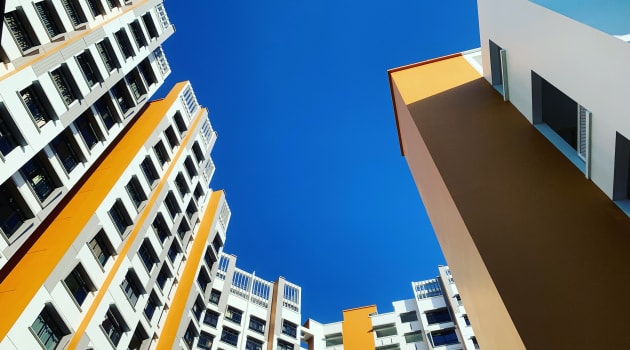
The vertical nature of Singapore’s urban planning is also fuelling a sense of entrapment for some.
“Land is scarce, everything’s built upwards—malls stacked with floors, even parks on rooftops. Feels like there’s no room to breathe,” another commenter wrote.
That feeling isn’t unfounded.
Singapore’s push for urban intensification has led to deforestation and redevelopment across areas such as Tengah, Dover, Bukit Batok, Sembawang, and Woodlands, as new estates rise to meet the growing housing demand.
With soaring property prices, many buyers are forced to opt for smaller units, contributing to a growing psychological claustrophobia, especially for larger families.
Urban progress or psychological toll?
Singapore’s global reputation for efficient city planning and greenery has often overshadowed the emotional cost of hyper-density. Still, online threads like this offer a raw and unfiltered look into the everyday realities of living in a “garden city” that’s rapidly evolving into a vertical metropolis.
While the city has made major strides in connectivity and convenience, many Singaporeans are now asking: At what cost to mental space and quality of life?
A potential wake-up call for urban planners
With public sentiments spilling over into digital spaces, this isn’t just a thread about “complaints.” It’s a signal, a reflection of growing unease with overdevelopment, overcrowding, and the loss of breathing room in both public and private life.
If the nation is to continue growing without suffocating its citizens, policymakers and planners may need to revisit what “liveability” truly means, not just in terms of economic indicators, but in the intangible, yet deeply felt, psychological space Singaporeans are steadily losing.
 Follow Google News
 Join us on WhatsApp
 Follow us on Telegram