
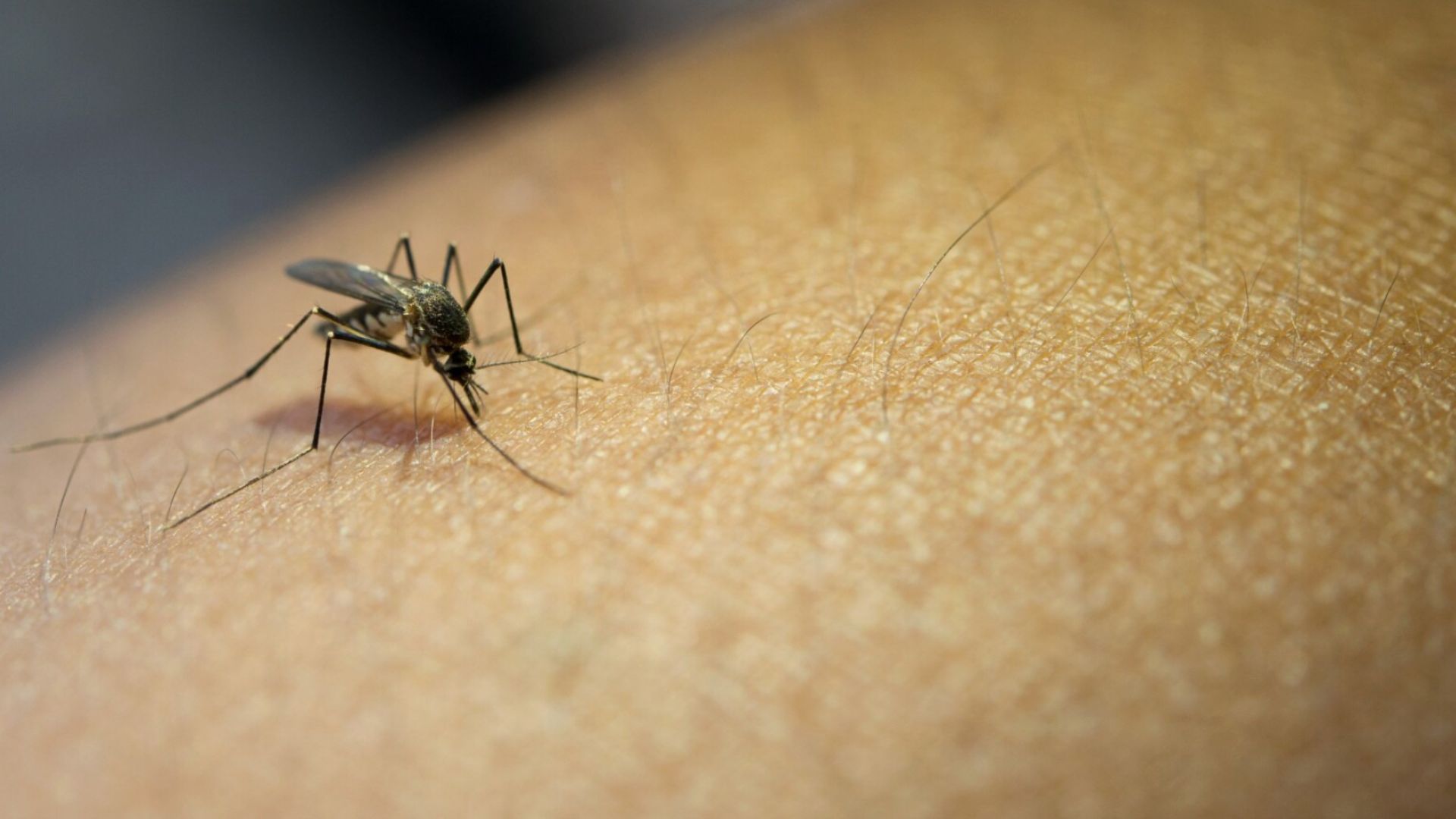

SINGAPORE: Dengue cases continued to rise last week, with 80 infections reported in the week ending June 6, according to the National Environment Agency (NEA). The figure marks an increase of 13 cases from the previous week.
As of June 8, there were eight active dengue clusters across Singapore. Four were classified as red alert clusters, indicating 10 or more reported cases.
The largest cluster, with 16 cases, was located around Jalan Bangau and Jalan Jarak. Other red alert clusters included a 15-case cluster at Neram Road and Nim Crescent, an 11-case cluster at Lilac Drive and Mimosa Road, and a 10-case cluster at Countryside Road and Lentor Avenue.
Peak dengue season
With Singapore now in its peak dengue season, authorities are reminding residents to check their homes regularly for potential mosquito breeding spots.
With this, the NEA urges the members of the public to practice the Mozzie Wipeout B-L-O-C-K steps:
Break up hardened soil to prevent water from collecting
Lift and empty flowerpot plates
Overturn pails and wipe their rims dry
Change water in vases regularly
Keep roof gutters clear and place BTI insecticide where necessary
Moreover, residents must also allow NEA officers to do an inspection in their premises, and conduct spraying of insecticides for immediate removal of adult mosquitoes to stop dengue from spreading.
Residents living in dengue cluster areas are encouraged to take the actions
Spray insecticide in dark corners around the house
Apply insect repellent regularly, and
Wear long-sleeve tops and long pants to prevent mosquito bites
Zika and Chikungunya are two other mosquito-borne diseases. Thankfully, there are no Zika clusters or areas with likely Zika transmission, and there are currently no chikungunya clusters. The majority of chikungunya infections occurred in individuals with recent travel to Chikungunya-affected areas.
Read more about NEA’s statement here.
Indeed, the presence of Aedes mosquitoes in Singapore poses an ongoing risk of mosquito-borne diseases. It is important for everyone to stay alert and act now for everyone’s safety. Check your home and common areas often, follow the guidelines of the authorities, and see a doctor if you have a fever or other dengue symptoms.
 Follow Google News
 Join us on WhatsApp
 Follow us on Telegram