
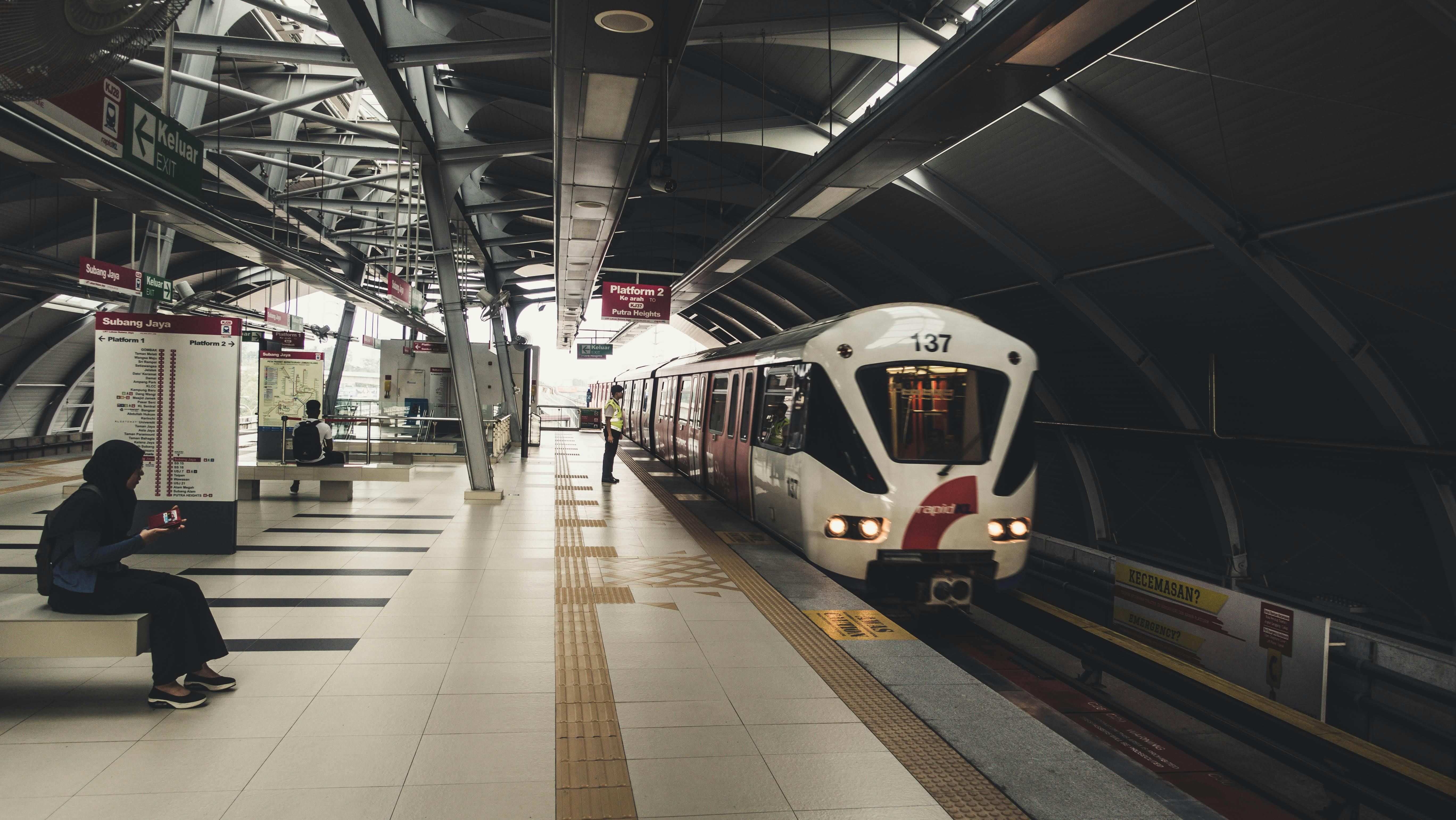

KUALA LUMPUR: Frequent breakdowns on Kuala Lumpur’s mass rapid transit network have sparked debate about the system’s decline. Some experts argue the network is running at a loss, while many netizens counter that public transit is a public service funded by taxpayers and should not be judged solely on profitability.
Reports state that Prasarana’s (RapidKL’s parent company) revenue from fares and non‑fare sources totalled RM721 million (S$232 million) against operating costs of RM1.32 billion (S$430 million), producing a RM1.5 billion (S$480 million) deficit in 2024 and a cumulative shortfall of RM55.3 billion (S$17.81 billion). Prasarana’s debt stands at RM41.9 billion (S$13.5 billion), which is government‑guaranteed. Annual deficits are covered by government‑backed borrowing.
However, one netizen on X argues that higher ridership could help operators cut debt, but the real problem is unreliable service. Restoring timetable reliability requires fresh investment, yet repeated cash injections without structural reforms only return the system to square one. Sustainable improvement needs both funding and governance changes to break the cycle.
Another X user proposes raising RapidKL’s monthly pass from RM50 (S$16.10) to at least RM100 (S$32.20). He argues that a simple doubling of the fare would immediately boost operator revenue across the year, improving financial sustainability—assuming ridership holds steady and the price hike doesn’t drive commuters away.
However, some pointed out that income tax and SST exist to fund public amenities like mass transit. A modest fare, he says, is justified because it helps workers reach their jobs — the very people who generate the country’s GDP — and public transport should not be judged solely on profitability.
Others noted that the government’s current priority on fuel subsidies should be balanced with stronger investment in public transport. Improving transit—especially in central Kuala Lumpur—would reduce fuel dependence, ease congestion, lower commuting costs and emissions, and could be a more efficient long‑term use of public funds than ongoing fuel subsidies.
Getting around Kuala Lumpur is often a nightmare: places a single train stop apart can take over 25 minutes by car. Malaysians want better public transport because the current system is inadequate, unreliable and slow.
 Follow Google News
 Join us on WhatsApp
 Follow us on Telegram