
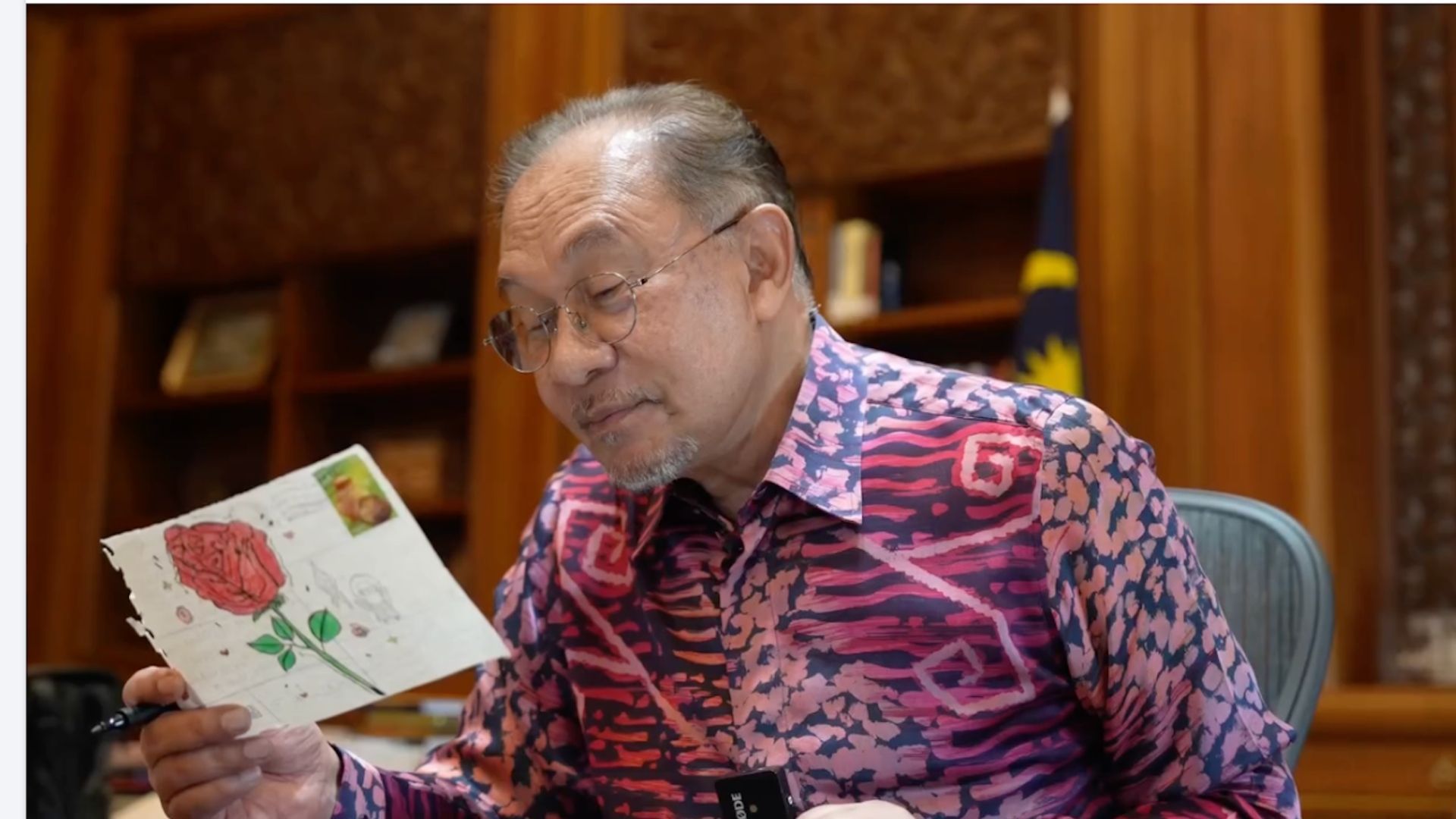

MALAYSIA: Prime Minister Anwar Ibrahim reaffirmed his rejection of proposals to raise fuel prices despite global supply pressures. He said the government will continue covering costly subsidies — which have ranged from RM3 billion to RM7 billion monthly — through austerity and anti‑corruption measures, not debt.
Anwar stressed that borrowing would burden future generations. His policy has kept RON95 petrol at RM1.99 per litre, among the lowest globally.
Social media users remain divided on Malaysia’s fuel subsidy policy. Many argue the subsidies must continue to shield households from inflationary pressures, seeing them as vital to maintaining affordability.
Others contend that the country faces deeper structural issues that require urgent attention, suggesting that diverting part of the subsidy funds toward healthcare, education, or infrastructure could yield greater long‑term benefits.
Some Malaysians believe the government’s insistence on maintaining fuel subsidies is politically motivated, claiming the subsidies are being pushed ahead of upcoming elections in Negeri Sembilan and Johor, suggesting they might be removed sooner if no polls were looming.
They also questioned why Prime Minister Anwar Ibrahim repeatedly highlights the subsidy burden, framing it as though he is offering charity to voters.
Others are puzzled by Prime Minister Anwar Ibrahim and his repeated remarks on subsidies. On X, one noted that Anwar constantly emphasises the billions of ringgit spent monthly to maintain fuel subsidies, yet simultaneously rejects raising fuel prices for Malaysians. This contradiction has left many questioning whether the government’s messaging is consistent.
Comments on social media also highlight frustrations with Malaysia’s public transportation system. One pointed out the irony of the government’s focus on fuel subsidies and private vehicles, even as rising fuel prices strain the nation, and argued that strengthening public transit would be a more effective long‑term solution, reducing reliance on cars and easing future subsidy burdens.
Social media users appear increasingly fatigued by the constant discourse surrounding Malaysia’s fuel crisis. Some believe the government’s emphasis on subsidies is necessary to counter rapid inflation, while others argue it is merely a tactic to secure electoral support.
Yet both perspectives highlight frustration that neither approach addresses the country’s deeper structural challenges.
 Follow Google News
 Join us on WhatsApp
 Follow us on Telegram