
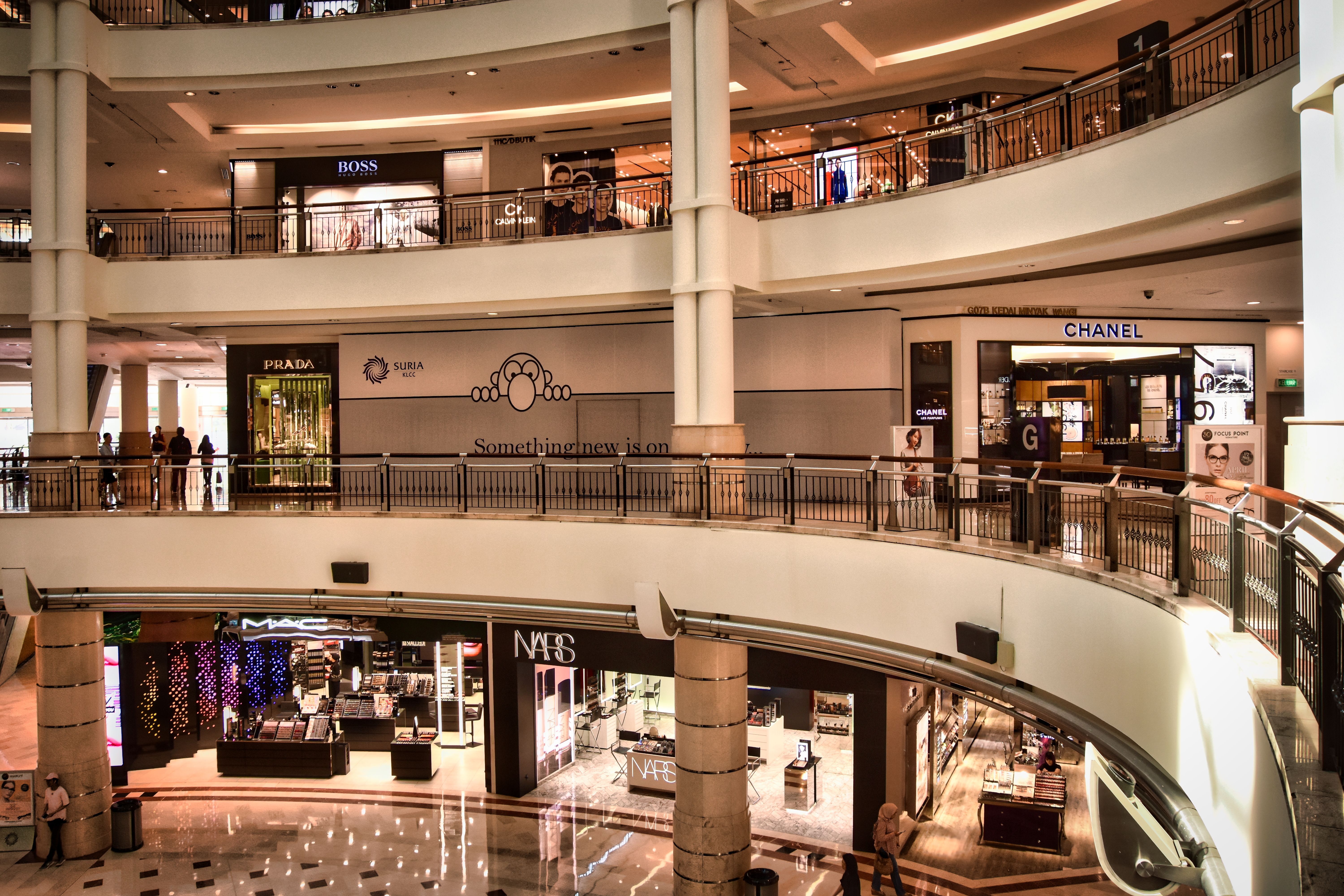

MALAYSIA: Malaysia’s mall boom continues despite declining foot traffic. At 3 Damansara, shop owner Goh Sook Lam faces empty corridors, relying on loyal customers as walk‑ins dwindle. National occupancy rates have dropped to 77.4%, even as retail space expands to 17.69 million sq m.
While prime malls thrive, many struggle, forcing tenants to adapt with creative strategies amid oversaturation and shifting consumer trends.
Malaysians are increasingly yearning for green spaces and more accessible public parks. This has given rise to several “park‑based” mall projects such as Linc KL, The Campus Ampang, and Sentul Park, which blend retail with outdoor environments.
These concepts, however, often cater to a niche demographic, as they typically house pricey cafes and restaurants. As a result, only a limited segment of society can fully enjoy these new outdoor mall experiences, raising questions about inclusivity in urban development.
On X, Malaysian @climateaidil questioned why the country lacks proper consultative processes in planning typical malls. He suggested that instead of replicating conventional complexes, the government should prioritise accessible third spaces that integrate green areas. Such spaces, he argued, would enhance public well‑being in the long run, promoting healthier lifestyles.
Another user sparked debate by claiming Malaysia’s shopping malls contribute to rising obesity rates. He argued that malls are saturated with sugary desserts and high‑calorie meals, encouraging unhealthy consumption. Adding to the critique, he noted that walking in air‑conditioned malls cannot be considered real exercise.
Some discussions are now merging both ideas: malls and green spaces. One suggested rooftop gardens on shopping malls as a way to integrate accessibility with sustainability. The concept isn’t entirely new—TRX Mall in Kuala Lumpur already features an outdoor garden that has been warmly received by customers.
Others voiced sharp criticism, claiming the Malaysian government is no longer willing to truly invest in its people. He alleged that authorities are focused only on extracting cash from citizens, warning that it would not be surprising if schools, hospitals, and public transportation were eventually fully privatised.
Malaysia’s cities, especially Kuala Lumpur, face a growing shortage of open green spaces. Many observers link this to overdevelopment, where malls and high‑rises dominate urban planning. Yet public sentiment shows a clear preference for outdoor activities over consuming processed food in air‑conditioned complexes.
 Follow Google News
 Join us on WhatsApp
 Follow us on Telegram