
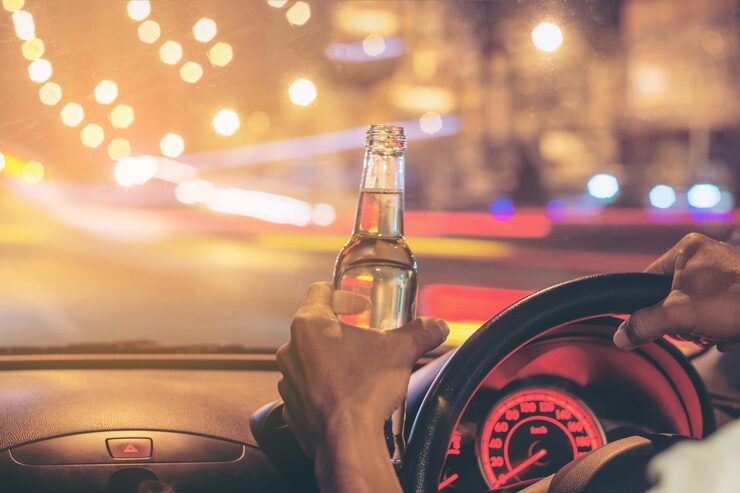
Image of a man drinking a beverage while driving.
Malaysia’s position on drunk driving: strict penalties, no death sentence

Malaysia’s Transport Minister Anthony Loke stated there is no need to introduce the death penalty under the Road Transport Act (APJ) for cases involving drunk or drug‑influenced driving. He explained that serious cases can already be prosecuted under Section 302 of the Penal Code for murder, if appropriate.
Malaysia has also abolished mandatory death sentences for several serious crimes, and the government does not plan to reinstate them. Instead, amendments to the APJ will focus on ensuring victims’ families receive compensation without lengthy civil suits. Offenders found guilty will face prison, fines, and mandatory compensation.
Loke confirmed these amendments are being drafted with the Attorney General’s Chambers and are expected to be tabled in Parliament in June 2026. This follows a recent spate of drunk driving accidents that have tragically claimed lives.
Social media users reacted harshly to the minister’s remarks, arguing that drunk driving cases deserve tougher sentences. On X, one user noted that the elements under Section 302 differ significantly when applied to reckless driving. He further emphasised that many child victims have lost their lives due to drunk driving, underscoring the need for stricter accountability.
Following that, another commented that if the minister isn’t interested in stricter DUI laws, he should introduce a mandatory law requiring motorcyclists to have full coverage insurance, calling it another major issue in Malaysia. The user explained that when a motorcyclist is at fault and crashes into a car, their insurance often fails to cover the full cost of damages.
However, another netizen expressed understanding of the minister’s stance. They pointed out that Malaysia has already abolished the mandatory death penalty, and reintroducing it for drunk driving cases would go against current legal procedures. For now, treating drunk drivers who cause fatalities as murder cases under existing provisions remains the only viable path forward.
Newsletter
Get updates straight to your inbox
Regardless, stricter nighttime roadblocks could help reduce the rate of fatal accidents caused by drunk drivers. At present, the government has already enforced checkpoints at popular hotspots where such incidents are known to occur, aiming to deter offenders and improve road safety.