
Local words recognised: Alamak, kaya toast, tapau, and nasi lemak made their way to the Oxford English Dictionary

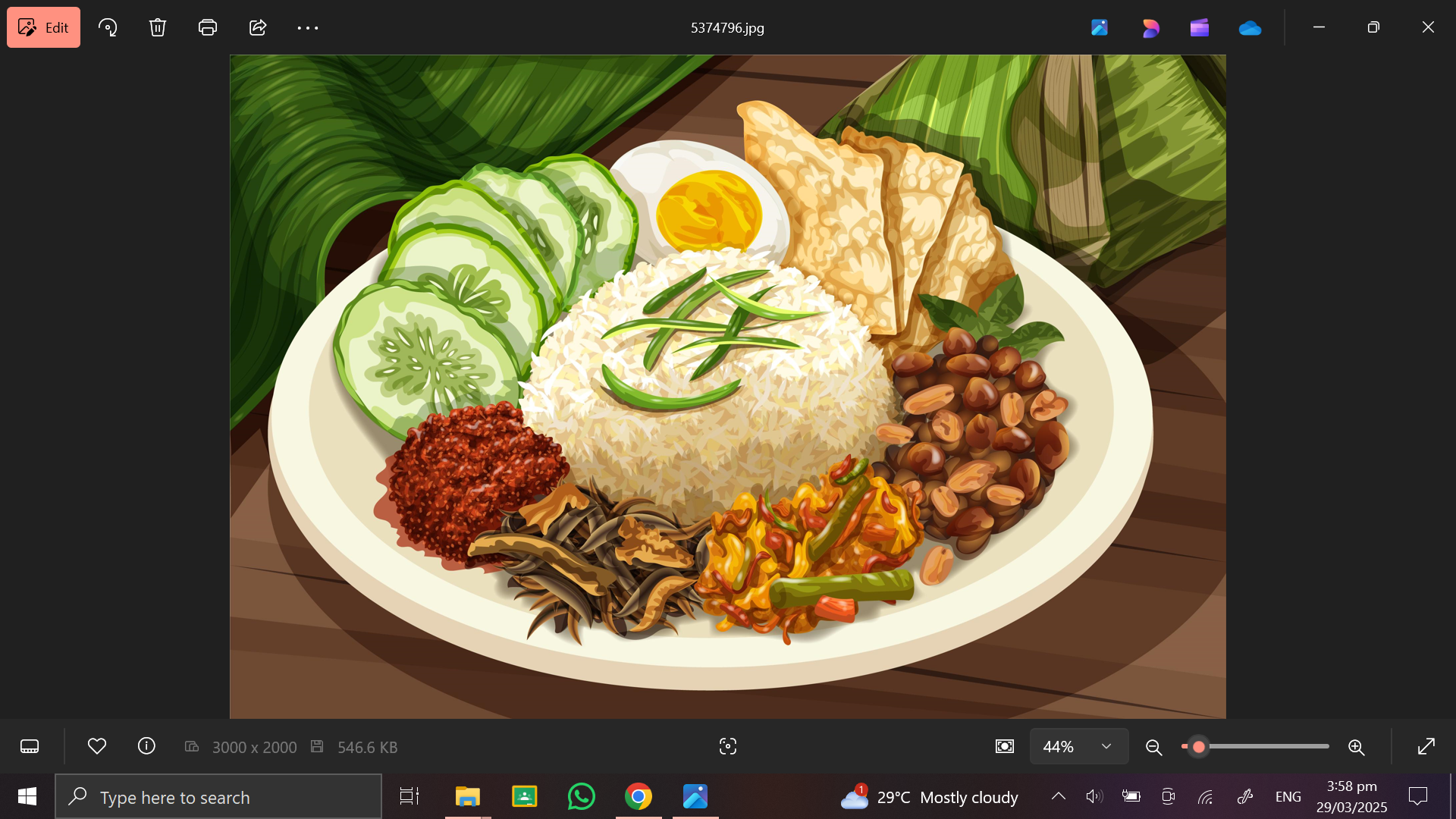
Photo: Freepik/pikisuperstar
In a recent report by The Straits Times, it was revealed that the Oxford English Dictionary (OED) has officially included several local words and terms from Singapore and Malaysia, marking a proud moment for the region’s language and food culture. Among the new entries are local terms such as “alamak” and “nasi lemak,” along with other local food names and expressions that have long been part of everyday conversation.
Commonly used words now recognised
The word “alamak,” borrowed from the Malay language and first recorded in 1952, is a simple exclamation used to show surprise, shock, or dismay. Its inclusion in the OED recognises how deeply rooted it is in the local speech of both Singapore and Malaysia.
Another term that is of significance is the “nasi lemak,” a traditional dish that is much loved for its fragrant rice cooked in coconut milk and served with various side dishes. These words help to capture the true spirit of the region and bring a slice of local life to the global stage.
Celebrating culinary heritage
The new update also includes several food items that represent the area’s rich culinary traditions. For example, “ketupat”—a small rice cake steamed in a woven palm leaf pouch—and “otak-otak”—a savoury dish made from ground seafood mixed with spices and coconut milk, then wrapped in banana or palm leaves and either steamed or grilled—have both been added to the dictionary.
Singapore’s popular “kaya toast,” which is toasted bread spread with a sweet coconut jam and butter, and the simple yet beloved “half-boiled egg” are also now part of the OED. Even dishes that have been given more English-sounding names, such as “fish head curry” and “steamboat,” are included.
Another word to note is “tapau,” a term used when packing food to take away. The dictionary update even offers a new look at the word “terror”. In local use, “terror” can mean something terrible, but it is also used in a positive way to describe something excellent. Often, it is used in a phrase such as “Wah! So terror lah”. This shows the playful and flexible nature of the local language.
A growing global influence
The OED has also recognised words from other countries, such as South Africa’s “Yoh!” and the Filipino word “gigil,” which describes the urge to pinch something very cute. However, this is not the first time Singaporean words have been featured in the OED.
Newsletter
Get updates straight to your inbox
In 2016, the dictionary added 19 new items from Singapore English, including words like “blur,” “ang moh,” and “shiok,” and back in February 2015, “kiasu” was even chosen as the OED’s Word of the Day.