
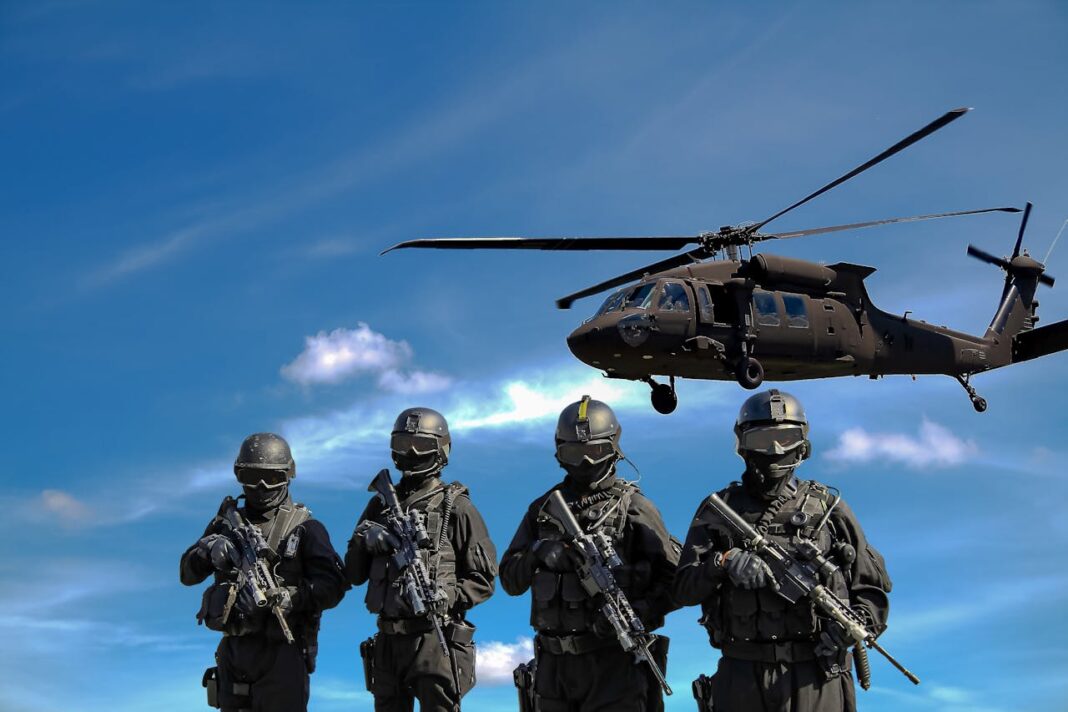

Japan and Germany—two countries long shaped by memories of war and decades of caution—are now rethinking what it means to keep their people safe. Both nations are entering a new era of military expansion, pushed by rising tensions in their neighborhoods and a growing sense that the world is becoming more unpredictable.
In Japan’s far-flung Ryukyu islands, a quiet transformation is underway. These peaceful, subtropical islands—stretching like a dotted line toward Taiwan—are seeing new missile sites, radar towers, and military facilities appear faster than at any time in the past 40 years. On Kyushu, one of Japan’s major islands, residents are watching F-35 fighter jets arrive at local bases. And on Okinawa, where the presence of U.S. troops has shaped daily life for generations, even more activity is expected as Japan strengthens its role alongside American forces.
For many Japanese, these moves reflect an uncomfortable truth: tensions with China have reached a point not seen in more than a decade. Beijing has been turning up the pressure on Prime Minister Sanae Takaichi after she hinted that Japan might act if China tried to take Taiwan. Those worries became more real over the weekend when a Chinese fighter jet locked its targeting radar on Japanese planes—an act that sent shockwaves through Tokyo.
Germany is experiencing its own moment of reckoning. Next week, lawmakers are set to approve an extraordinary €52 billion ($61 billion) package for military upgrades—the largest in the country’s modern history. The shopping list is long: new vehicles, updated gear for soldiers, advanced air-defense missiles, and surveillance satellites designed to give Germany an edge in a more dangerous Europe.
It’s a dramatic shift for a country that, until recently, avoided big defense spending. But Russia’s invasion of Ukraine changed that almost overnight. The war exposed how stretched and underfunded the German armed forces had become. Now, Berlin is pushing to rebuild the Bundeswehr into what it hopes will be Europe’s strongest conventional army.
Taken together, the decisions in Tokyo and Berlin mark a turning point. Two economic powerhouses that once hesitated to flex military muscle are now preparing for threats they believe could come sooner rather than later.
 Follow Google News
 Join us on WhatsApp
 Follow us on Telegram