
In maiden speech in Parliament, WP NCMP Eileen Chong makes the case for embracing diverse viewpoints

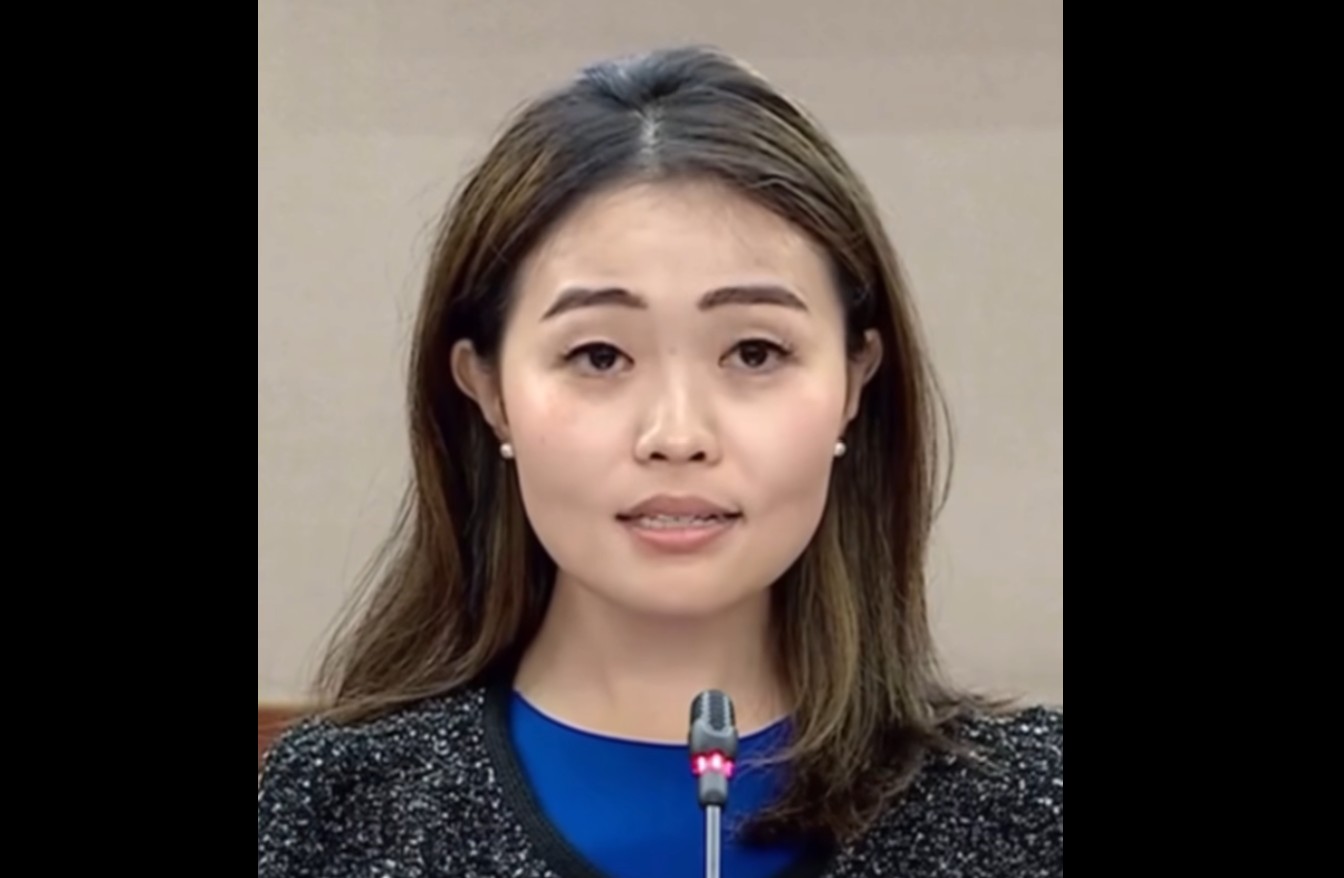
Photo: FB/The Workers' Party
SINGAPORE: Workers’ Party (WP) Non-constituency Member of Parliament Eileen Chong gave her first speech on Wednesday (Sept 24), taking part in the debate on the address given by President Tharman Shanmugaratnam.
In it, Ms Chong said she could not agree more with the President’s remarks on the need for unity as Singapore “navigates turbulent waters,” but added, “true unity does not mean uniformity. It means recognising and embracing that diverse viewpoints strengthen rather than weaken governance.”
Welcoming varying perspectives in policy discussions makes constructive debate possible, and listening to “voices that may challenge conventional wisdom” paves the way for making “better decisions for all Singaporeans,” she added.
Like MP Jamus Lim (Sengkang), who is also from the WP, she underlined that economic well-being is not the only indicator of prosperity, as these do not take into account relationships, sense of purpose, and belonging. Singapore society should also aim for emotional, social, and spiritual flourishing.
In this vein, Ms Chong, who is the president of the WP’s Youth Wing, touched on the changes needed in Singapore’s educational system. While she commended the Education Ministry for embarking on a Comprehensive Action Review on Bullying in view of recent incidents, she urged, “We must get to the root of why children hurt other children, both online and offline.”
“How do we nurture resilience in our young so they can better deal with stress, adversity, and setbacks in an uncertain world? How do we help more parents recognise signs of distress before they manifest as harmful behaviour?” she asked.
Noting that the President had also recognised in his speech that families in Singapore are stretched in caring for both young and old family members, Ms Chong said that she hopes that the unpaid work that caregivers do, which she called “the backbone of our society,” would be addressed more directly.
“This recognition is all the more vital as Singapore becomes a super-aged society next year,” she said, calling for more support to be extended to caregivers.
Newsletter
Get updates straight to your inbox
Caregiving is work, she underlined, giving examples of parents staying home to care for their children, adult children taking a leave from work to care for elderly parents, and grandparents, in turn, providing childcare for their grandchildren.
“To truly become a ‘we before me’ society, we must do more to recognise and support those who dedicate their lives to caring for others, whether temporarily or permanently. We should value unpaid care work as much as paid employment. Families should get equal support regardless of their choice of care arrangements,” she added. /TISG
Read also: Commenters call WP’s Eileen Chong ‘another star catch’ and ‘most electable new candidate across the board’