
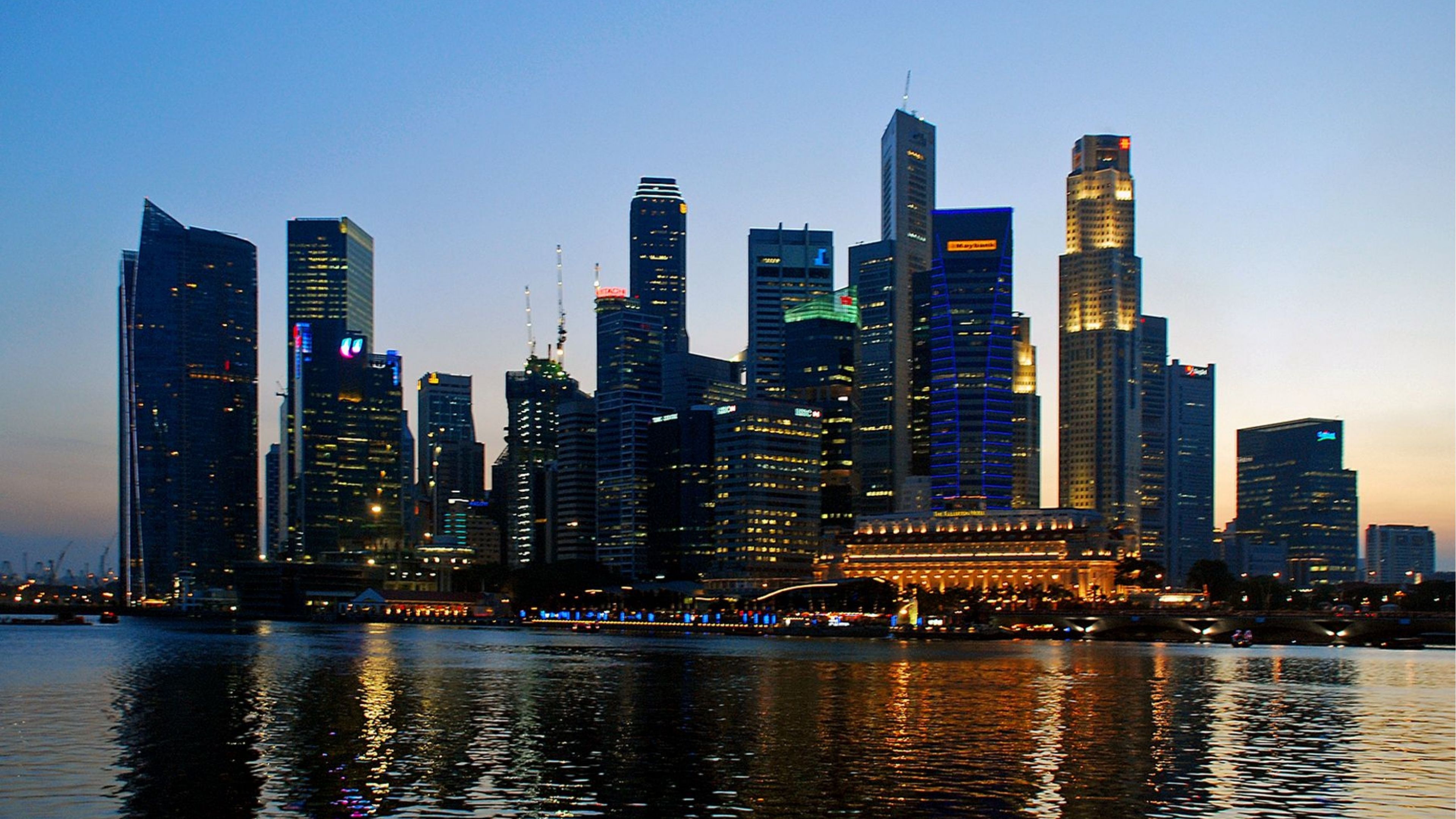

SINGAPORE: Singapore’s position as one of Asia-Pacific’s leading wealth management centres is set to strengthen further in the coming years, according to a new report by accounting giant PwC, but while the findings point to rising assets under management and growing regional wealth, some Singaporeans are questioning whether the gains will be felt beyond the financial sector.
In its Asset and Wealth Management Revolution: Asia Pacific 2026 report, PwC projected that assets under management (AUM) across the Asia-Pacific region will reach US$34.5 trillion (S$44.2 trillion) by 2030. The report forecasts annual growth of 6.8% over the next five years, outpacing North America’s expected 6.2% growth rate and Europe’s projected 5.6%.
The firm also expects total client assets in Asia-Pacific to climb from US$107.2 trillion in 2024 to US$154.3 trillion by the end of the decade, reflecting continued wealth creation across the region.
Singapore is expected to remain one of the biggest beneficiaries of this expansion. Alongside Hong Kong, it is identified as one of the Asia-Pacific’s two largest international investment hubs. The country currently oversees US$4.6 trillion in assets under management and is home to around 8% of the world’s sovereign wealth fund assets.
PwC said the continued rise in high-net-worth wealth across Asia-Pacific will support Singapore’s position. Assets held by high-net-worth individuals in the region are projected to reach US$52.4 trillion by 2030, growing at an annualised rate of 6.9%.
The report also highlighted the growing importance of private markets, whose share of Asia-Pacific asset and wealth management revenues has risen from 20.3% in 2012 to 55.4% in 2024. By 2030, private markets are expected to account for nearly 60% of industry revenues, equivalent to almost US$100 billion.
Despite the sector’s growth, PwC noted that regional asset and wealth managers still oversee less than a quarter of Asia-Pacific client assets. That compares with nearly 40% in Europe and close to 60% in North America, suggesting substantial room for further expansion.
Singapore is also seeking to establish itself as a leader in digital asset innovation. PwC pointed to the Monetary Authority of Singapore’s Project Guardian, which aims to move asset tokenisation from pilot programmes towards wider commercial adoption.
The initiative now involves more than 40 institutions across seven jurisdictions and is supported by related efforts such as the Guardian Wholesale Network, Singapore’s stablecoin regulatory framework and planned trials involving tokenised MAS bills and central bank digital currencies.
Paul Pak, PwC Singapore’s Asia-Pacific and Singapore asset and wealth management leader, said Singapore’s appeal is supported by several structural advantages, including its sovereign wealth base, regulatory environment, sophisticated capital markets and tax and fund-structuring ecosystem.
He said firms across the region are increasingly looking to Singapore as a platform from which to compete.
“The competitive question is which firms have the strategic clarity, operating model and capital discipline to convert that growth into durable advantage, and from which platform they will compete,” Mr Pak said.
He added, “For a growing number of regional and global managers, that platform is Singapore.”
However, news of Singapore’s growing wealth management industry prompted a more sceptical response from some netizens, who questioned whether ordinary residents would see any benefits from the sector’s success.
One commenter asked bluntly: “And how much of this wealth will trickle down to us?”
Another expressed concern that the expansion of financial services could potentially come at the expense of other parts of the economy.
“Besides, there potentially being no trickle-down effect, there may even be a crowding out effect where other sectors of the economy suffer to the detriment of the national economy,” the commenter wrote, adding that similar concerns have been studied in places with dominant financial industries such as London.
That view sparked debate among other users. One respondent challenged the premise, noting that financial services account for about 12% of Singapore’s gross domestic product, while manufacturing contributes roughly 25%.
“What dominance are you talking about?” the commenter wrote, “If anything, financial services still have lots of room to grow.”
The original commenter maintained that further growth in the finance sector could still pose risks if it came at the expense of other industries or disproportionately benefited workers within the sector.
“Financial services could certainly grow further — but there is the risk that it could come at the detriment of our other industries and the welfare of Singaporeans not in the Finance industry,” the commenter replied.
Others reacted more sarcastically to the report, with one writing: “Yay, can’t wait for the wealth to trickle down.”
 Follow Google News
 Join us on WhatsApp
 Follow us on Telegram