
High Court rejects SDP's bid to have POFMA case heard in open court

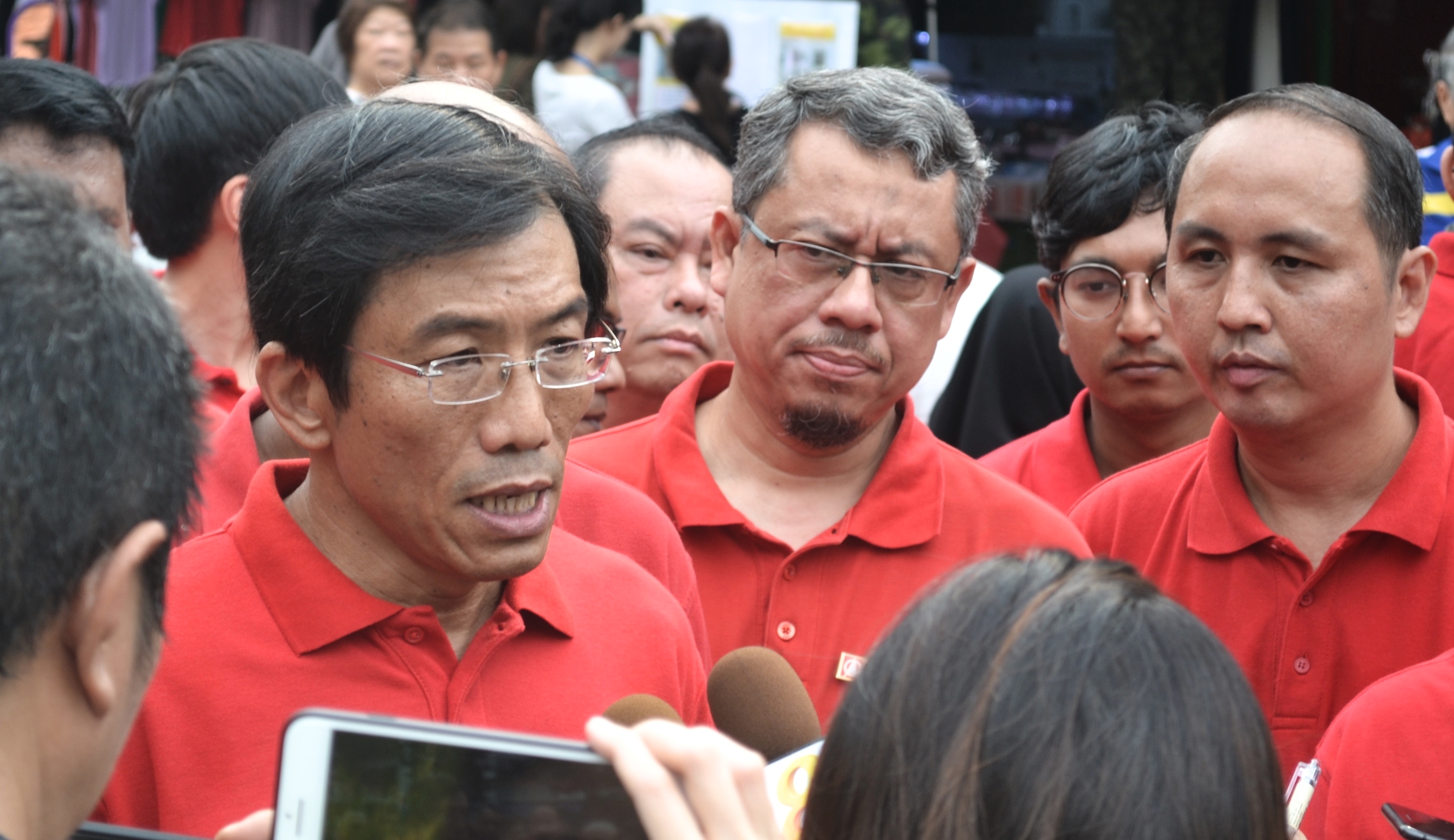
File photo
The High Court has rejected the Singapore Democratic Party's (SDP) bid to have its case, regarding two correction directions it was issued under Singapore's anti-fake news law, to be heard in open court today (16 Jan).
The Minister for Manpower Josephine Teo invoked the Protection from Online Falsehoods and Manipulation Act (POFMA) and directed the POFMA Office to issue Correction Directions to the SDP over two Facebook posts and an article that talked about the displacement of local workers by foreigners.
The Government held that the SDP's Facebook posts and article contained deliberate falsehoods. While the SDP complied and posted correction notices on its article and Facebook posts, it later called on Ms Teo to retract the Correction Directions and issue an apology.
In a statement on Thursday (Jan 2), the party said that its statements in the flagged posts were “in fact, true and correct” and that “MOM had accused the SDP of making statements that we did not make or cited different sets of data which it then used to accuse the SDP’s post as false”.
Claiming that the incident constituted “an abuse of POFMA”, the party asserted, “For POFMA to have legitimacy, the minister must apologise”. The SDP applied for the cancellation of the Correction Directions but the Manpower Minister rejected the application.
The SDP subsequently announced plans to challenge the Correction Directions in court. The party also applied to have the case, which names the Attorney-General's Chambers (AGC) as respondent, to be heard in open court instead of being heard in chambers where it is not open to the public or the media.
While the case continues in the High Court, Justice Ang Cheng Hock dismissed the opposition party's bid to have the case be heard in open court.
The SDP's application was brought by originating summons (OS), which is typically heard in chambers. POFMA rules state that all High Court challenges against POFMA corrections must be filed by OS and, as such, all POFMA cases will be heard in chambers unless there is a legal reason for it to be heard in open court.
Deputy Attorney-General Hri Kumar said that this does not mean that no POFMA case will be heard in open court but that parties must show "some special reason" why their POFMA case should be heard in open court.
Newsletter
Get updates straight to your inbox
He added that the SDP's application was dismissed since there was "no special reason" for the case to be heard in open court and that public interest is not a sufficient cause for a case to be moved from the chambers to open court.
Mr Nair told the press that although Parliament had promised that there would be a "swift procedure" for POFMA challenges in High Court, the hearing "depends on the complexity of the case". He said: "It is not provided in legislation when the judge will decide, but the process is swift."