

SINGAPORE: A domestic helper in Singapore found herself doing far more work than she expected. The reason was not a new contract or added duties. It was the family’s number.
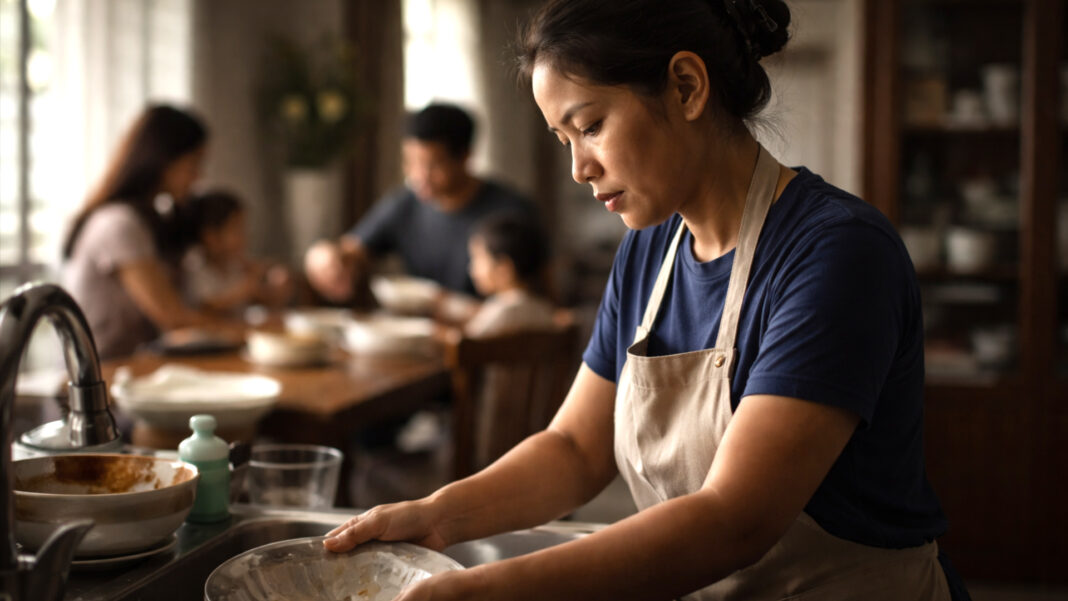
The helper said her workload grew sharply after her employer’s daughter began visiting almost every day with her family. The visits included the daughter, her husband, and three young children. They came during breakfast, lunch, and dinner.
What began as a normal household routine slowly turned into something else. The helper wrote that the daily visits effectively doubled her work.
The situation, as we reflect on a report by The Independent Singapore on May 21, 2022, is that the helper explained that her employer has three children. The eldest daughter is married and has three children aged six, four, and one. She is also expecting a fourth child. Although the daughter has her own home, she and her family spend most of their time at her parents’ place. The result is a home that functions like two households under one roof.
More people under one home means more cooking, more dishes, and more cleaning. Three meals a day for a big group adds up fast. The helper then said the constant presence of the extended family made the workload feel overwhelming. She also wondered why the family’s daughter did not hire a helper for her own home, given the number of children.
The helper, sharing her concern, was less about a complaint and more about uncertainty. Her contract renewal was approaching; she wanted to know if staying on made sense.
Some domestic helpers offered mixed views in such situations. Some said it’s quite common and part of the job when families gather often. Others said the helper should reconsider renewing her contract if the workload had changed too much. A few pointed out that the final decision rests with the helper. If the job no longer matches what she agreed to, leaving may be the better choice.
Stories like this appear regularly in online forums where domestic workers share their undesirable work experiences. Many employment agreements describe duties within a single household, but family life in Singapore often includes frequent visits from children, grandchildren, and relatives. When that happens, questions arise about the fairness of requiring helpers to serve as a family’s support system behind the scenes.
For employers, these gatherings may feel normal. For helpers, they can mean extra hours of cooking, cleaning, and childcare that were never discussed or agreed upon. Work increases bit by bit until the helper starts wondering whether the job is still what she signed up for.
That is the question behind the helper’s post: when a household quietly expands without warning, should the job expand too? For many domestic workers, contract renewal becomes the moment to weigh that reality. Stay and adapt, or just leave and start afresh somewhere else?
 Follow Google News
 Join us on WhatsApp
 Follow us on Telegram