
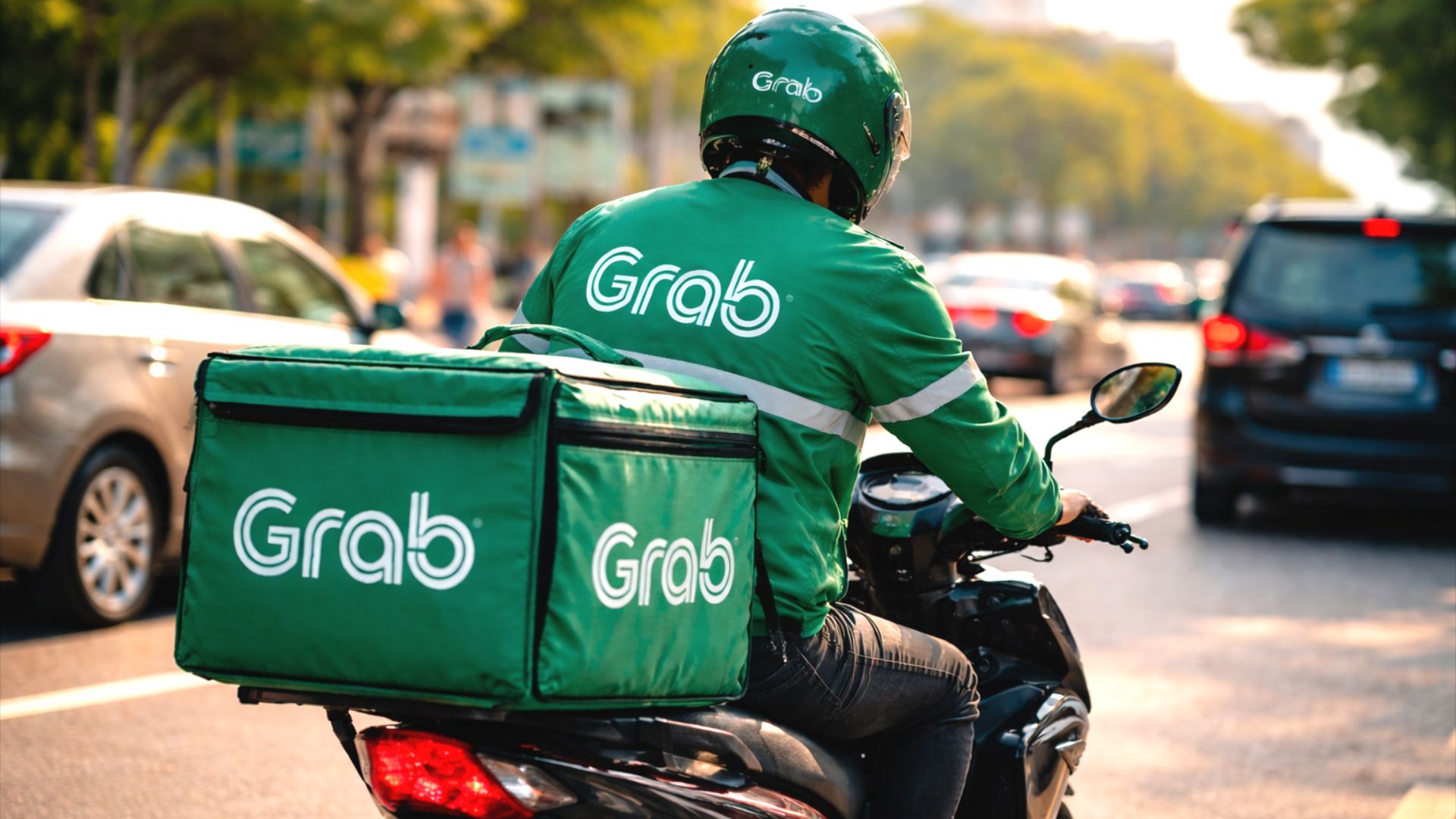

SINGAPORE: Grab Singapore is extending fuel support to delivery-partners by adding vouchers to help offset rising fuel costs linked to tensions in the Middle East. The decision brings its total support to about S$1.4 million, according to a media release on Apr 2.
The support is extended to riders and drivers of petrol-powered vehicles, such as motorcycles, cars, and vans. Grab said this group feels fuel price swings the most. The scheme was shaped with input from the National Delivery Champions Association (NDCA).
This follows earlier steps aimed at transport drivers. In March, Grab introduced fuel vouchers for driver-partners. It also announced a S$1.1 million package with higher monthly bonuses and cashback rebates. From Apr 7, the fuel surcharge will rise to S$0.90 to help drivers manage costs.
How the vouchers will work
Voucher amounts will vary by vehicle type and a partner’s Emerald Circle tier, Grab’s loyalty program. Eligible partners will receive details through the driver app.
All transport and delivery partners will continue to receive fuel discounts at Esso, Caltex, and Sinopec.
Grab said the aim is to keep delivery services stable while partners deal with higher expenses. The company described delivery riders as a key part of Singapore’s food and beverage network, where their day-to-day reliability is essential.
Union response: Support is welcomed, but not enough
Yeo Wan Ling, Assistant Secretary-General of the National Trades Union Congress and adviser to the NDCA, welcomed the move. She said the added support should ease some pressure on riders’ take-home earnings.
At the same time, she said that the issue goes beyond one company. Rising fuel prices are cutting into income across the platform economy. She called for a coordinated response involving operators and the government so that support reaches all workers, rather than just those on one platform.
Delivery-partners needs structured support rather than ad hoc measures
Fuel costs have become a direct hit to gig workers’ income. Unlike salaried roles, delivery riders absorb these increases daily. Even small price changes can stack up across long hours on the road.
Grab’s move shows how delivery platforms are adjusting in the present difficult times. It also mirrors growing pressure to treat platform workers as a group that needs structured support rather than ad hoc measures.
For Singapore, where delivery services are now part of daily life, keeping riders on the road is more than a business issue. It affects service reliability, food access, and the wider gig economy.
Fuel prices will rise and fall, but riders and drivers face the impact
So short-term support helps, but it should not stop there, as fuel prices will rise and fall, but riders and drivers face the impact every day. A more stable approach would give them predictability, not just relief when costs spike.
Operators can look at fairer base fares and cost-sharing models. The government can also review how platform workers are protected as a group. Small, steady adjustments usually work better than one-off fixes.
For drivers and riders alike, the job is already tough, and keeping them on the road should not depend on how well they absorb rising costs. A system that shares the load more evenly can be fair while keeping the whole service running.
 Follow Google News
 Join us on WhatsApp
 Follow us on Telegram