

SINGAPORE: After a visa-free agreement between China and Singapore was made in time for last year’s Lunar New Year celebrations, tourists from China began coming to the Little Red Dot in droves, and when many started visiting Nanyang Technological University (NTU) and the National University of Singapore (NUS), the influx caused a flurry of complaints from students and staff.
In 2024, over three million visitors from mainland China came to Singapore, a substantial 126% increase from the previous year. From January to September 2025, there were 2.5 million visitors to Singapore from China.
For some, however, the experience is proving to be more costly than they expected, according to a recent piece in the South China Morning Post.
A woman who had budgeted 5,000 yuan (around S$914) spent almost all of it within three days. She told SCMP that she was shocked when she had to pay 100 yuan (around S$18) for a taxi ride that took only 10 minutes. Back home, the ride would only have cost 20 yuan (around S$3.66).
She said she knew Singapore had a high cost of living but experiencing it is a different matter.
The report adds that today’s tourists from China are different from those of previous years. They are younger, social-media-savvy, and come for shorter stays but need to stick to a budget.
A number of things came as a surprise to a pair of sisters in their early twenties, including having to pay 9% Goods & Services Tax (GST) and 10% service charge on a restaurant bill. They also found their hotel room, which cost 1,200 yuan a night (around S$220), to be “shockingly expensive.”
The two ended up taking public transport and eating at hawker centres to stay within their budget. They decided to forgo shopping.
SCMP also noted that Chinese tourists who have visited Singapore are sharing on social media how pricey they find the city-state. One post author said they only ate the free hotel breakfast each day, causing them to lose 3 kg during their visit.
Another wrote about dinner for two at a seafood restaurant near the Singapore River that cost over 3,000 yuan (S$550).
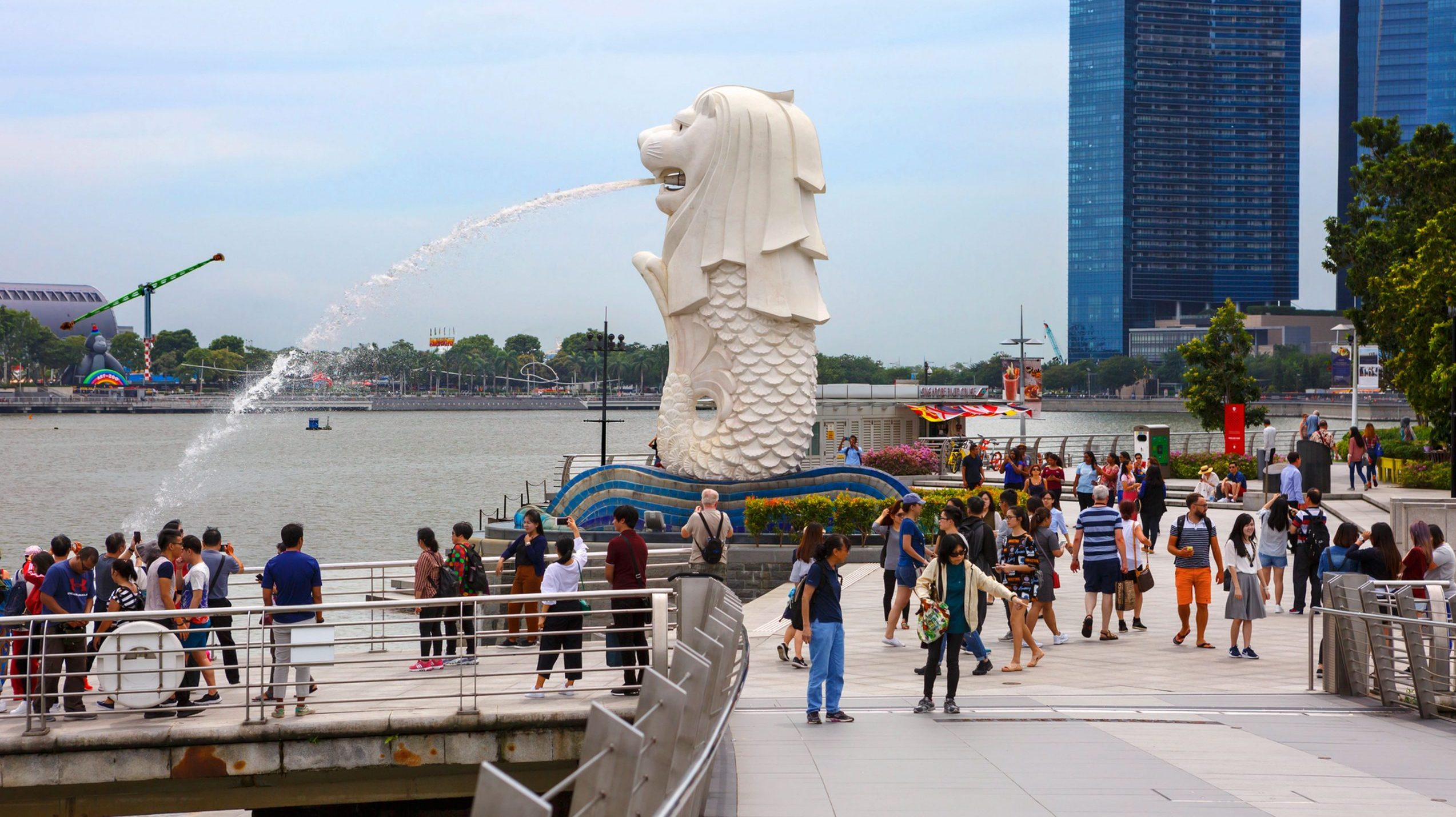
Nevertheless, Singapore remains hugely popular among young Chinese visitors who come for ‘da ka’ tourism — taking photos at iconic spots to share online. The city-state’s clean, picturesque spots are ideal for photos that they can upload to social media or share with friends. It may be expensive, but they appear to believe it’s worth the price. /TISG
Read also: Chinese tourists compare Singapore unfavourably with China
https://theindependent.sg/chinese-tourists-compare-singapore-unfavourably-with-china/
 Follow Google News
 Join us on WhatsApp
 Follow us on Telegram