
Chinese research vessels operate in Northwest Pacific amid U.S. military drills, raising security concerns

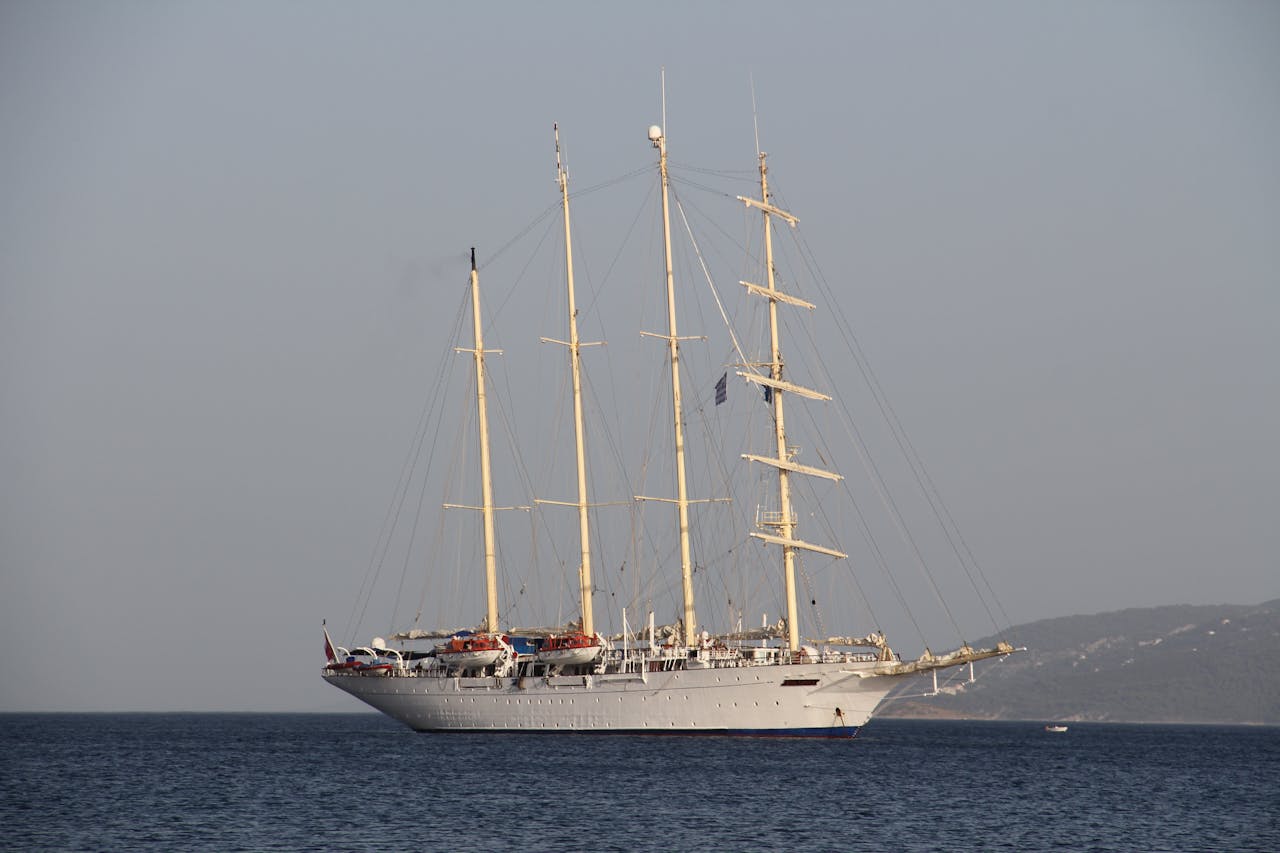
Photo: Pexel (for illustration use only)
SYDNEY: Five Chinese research vessels quietly made their way through the northwest Pacific, their missions ranging from space and missile tracking to mapping the ocean floor. The timing wasn’t lost on observers: the U.S. had been ramping up its own military exercises in the region.
For people living on these remote Pacific islands, the developments are more than abstract geopolitics. The Pacific Center for Island Security, a Guam-based group, warns that rapid militarization in these waters often flies under the radar—leaving island populations caught in the middle if tensions escalate.
“If you look at all the U.S., bilateral, and multilateral exercises happening, there’s a lot going on,” said Leland Bettis, the center’s director. “So, is it surprising that China is sending research vessels here to map what’s essentially undersea battle space? Probably not.”
The center’s newly launched Micronesia Security Monitor tracked three Chinese vessels—including the space and missile tracking ship Yuanwang 7—operating near the tiny Pacific nation of Kiribati over the past month. Nestled near Hawaii and maintaining close ties to Beijing, Kiribati oversees an enormous stretch of ocean—3.6 million square kilometers (1.4 million square miles). Last year, the country expressed alarm when a Chinese intercontinental missile test landed near its waters.
Two more Chinese vessels were spotted east of Guam, near island states like the Federated States of Micronesia and the Marshall Islands, both of which have defense agreements with the U.S.
Meanwhile, the U.S. has been highly active in the same waters, conducting nine multilateral war drills near Guam since August. One of the largest, Exercise Malabar, concluded last Thursday. Australia, India, Japan, and the United States participated, practicing anti-submarine warfare and air defense. Australia’s defense force said the drills were “crucial to deter coercion in the Indo-Pacific.”
The U.S. maintains a strong footprint across Micronesia, with military bases in Guam and the Marshall Islands and access to airspace and waters in Palau, the Federated States of Micronesia, and the Marshall Islands.
Newsletter
Get updates straight to your inbox
“Thirty years ago, the U.S. presence here would have been a deterrent,” Bettis reflected. “Today, that same presence makes us a target because of modern technology.”
The Micronesia Security Monitor also maps the expansion of U.S. infrastructure in the region—upgraded wharves, airfields, and other facilities that quietly reinforce America’s reach. The project is funded by commercial donors, the Carnegie Corporation, and the Sasakawa Peace Foundation.
For the people of these far-flung islands, the growing military chessboard is not just lines on a map—it’s a reality that could touch their shores at any moment.