
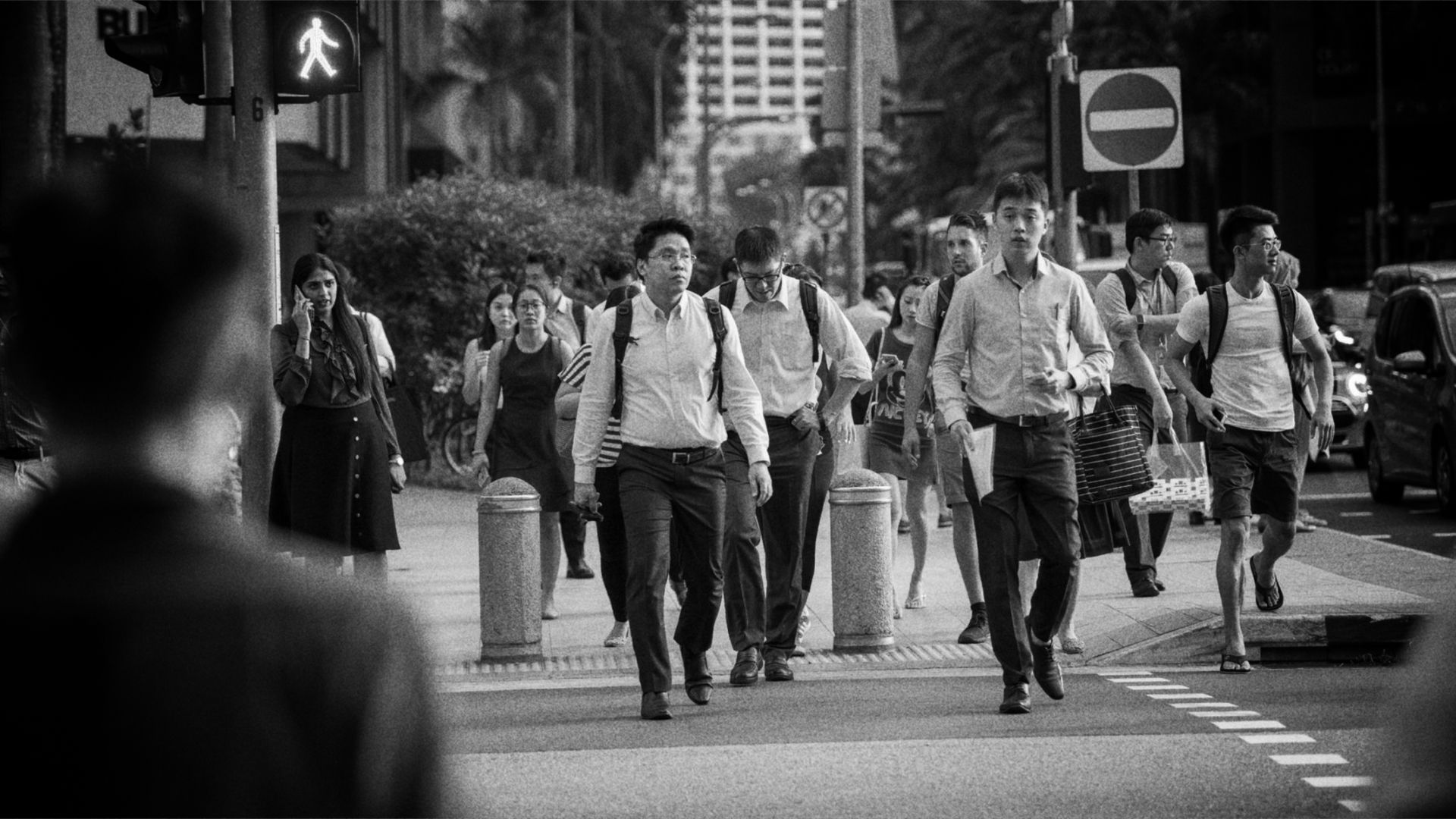

SINGAPORE: A thought-provoking rhetorical question from a Singaporean was posted on The Independent Singapore Facebook Page: Can all 6 million people in Singapore move up to higher-value jobs?
The concern surfaced after a National University of Singapore (NUS) professor said that Singapore may lose jobs to Malaysia or to Artificial Intelligence (AI), but this could create higher-value jobs, amid reports that companies are shifting parts of their operations overseas, especially to nearby countries like Malaysia.
While experts say this is part of a long-term restructuring, some Singaporeans aren’t convinced the transition will work for everyone, as another Singaporean added, “Can Singapore take in more than 10,000 graduates yearly for middle management posts?”
According to Channel NewsAsia (CNA), firms are moving labour-intensive and space-heavy functions abroad, while keeping leadership and specialised roles in Singapore.
Within hours of the news circulating, reactions began to centre on one issue: scale, as another commenter questioned how many such roles even exist. The concern was about availability. If only a limited number of high-value roles are created, then not everyone can move up at the same time.
These responses reflect a practical worry because the idea of “job upgrading” sounds neat in theory, but people are asking how it plays out across an entire workforce.
Concerns over competition
Some reactions also pointed to competition for these roles. One commenter claimed that many high-value jobs are already going to foreign professionals, citing observations in the central business district during lunch hours.
Views like these are not new. They tend to surface whenever job security and hiring patterns come into focus. While such claims are often debated, they reflect underlying anxieties about access, fairness, and opportunity.
A slower transition than it sounds
At the same time, not all reactions were negative. One Singaporean noted that the shift could still happen over time. The move towards higher-value work may be possible, just not immediate. This view aligns more closely with what experts are saying.
The transition is not designed to happen overnight. Lower-cost roles move out first. Higher-skill roles grow gradually. Workers adapt along the way, through reskilling and job shifts.
What the shift really means
The bigger picture is less about replacing every job with a “better” one. It is about restructuring how work is distributed.
Routine roles are either automated or relocated. Strategic, technical, and leadership roles remain. Over time, new roles emerge, but not always at the same pace as the old ones disappear. This creates friction as some workers adapt quickly while others take longer, and some may not even move into those roles at all.
Why this question matters now
The concern is not just theoretical. Recent announcements by major companies show the shift is already happening.
Brewing operations, manufacturing lines, and support functions are moving across the border. Singapore remains the base for decision-making and high-level work.
The jobs leaving are concrete and familiar. The jobs replacing them are often less visible, more specialised, and harder to access.
A grounded way forward
The idea that everyone can move into higher-value jobs sounds appealing, but in reality, transitions like this are uneven. Some people will move up. Some will pivot sideways. Others may need time, support, or a different path.
Whether all 6 million people in Singapore can reach the same outcome is questionable, as economies have never been seen to work that way before. A more practical approach, at least for now, is to broaden access to skills, keep pathways open, and ensure people are not left behind during the shift.
The question raised online may not have a clear answer at the moment, but it is understandable for one to ask, especially in these difficult times.
Read related: NUS prof says Singapore may lose jobs to Malaysia or AI, but this can create higher-value jobs
 Follow Google News
 Join us on WhatsApp
 Follow us on Telegram