
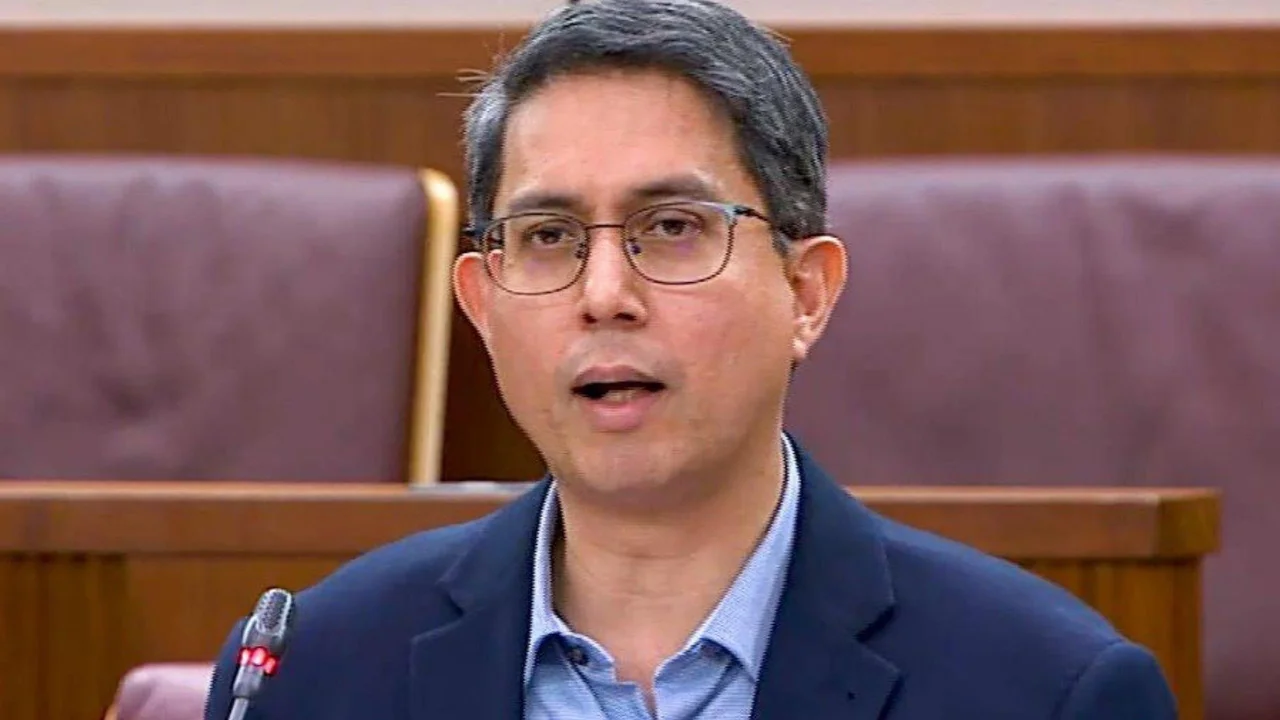

SINGAPORE: The local content creator Effendi Baba commented on reactions to the news that the former MP Faishal Ibrahim was in talks to return to the National University of Singapore, where he had been teaching before he entered politics.
On Aug 24, it was reported that Assoc Prof Faishal and NUS were discussing his return to academia. He had stepped down from political office, as a Member of Parliament, as well as from the ruling People’s Action Party (PAP) on July 20, after a “lapse of judgment” had occurred.
In his Aug 29 post, Mr Effendi, who has written about having a kind encounter with the former MP in person, noted that there has been “immediate pushback” against the university considering the choice, and said this response felt “deeply inconsistent” with Singapore’s values.
He pointed out that Singapore’s society “loves to talk about compassion, rehabilitation, and second chances,” but laid out what exactly occurred in the events surrounding Assoc Prof Faishal’s resignation.
He also noted that no criminal offence was committed, and neither had the former Acting Minister-in-charge of Muslim Affairs and Senior Minister of State had a physical relationship with the woman involved.
Mr Effendi added that Assoc Prof Faishal admitted to his lapse in judgement in that he should have set clearer personal boundaries earlier and acknowledged how his conduct fell short of expected standards and then resigned, therefore exercising political accountability by resigning.
However, he added that “political accountability should not automatically become a lifetime sentence of professional disqualification.”
He went on to call out the selective drawing of moral lines, saying that in instances where infidelity has been committed, resulting in divorce, or other instances where terrible judgment was exercised, or crimes were committed, people have not normally said that those involved shouldn’t be allowed to work anymore.
“Why should inappropriate messages and a failure to maintain proper personal boundaries permanently end an academic career?” Mr Effendi asked, adding that he did not wish to trivialise what happened in any way, though he called for a proportional response to such occurrences.
“If someone has faced the political consequences, broken no criminal law, and remains professionally capable of contributing in his field, should one non-criminal personal failing define the rest of his working life?” asked Mr Effendi, arguing again that second chances should not be given selectively. /TISG
 Follow Google News
 Join us on WhatsApp
 Follow us on Telegram