
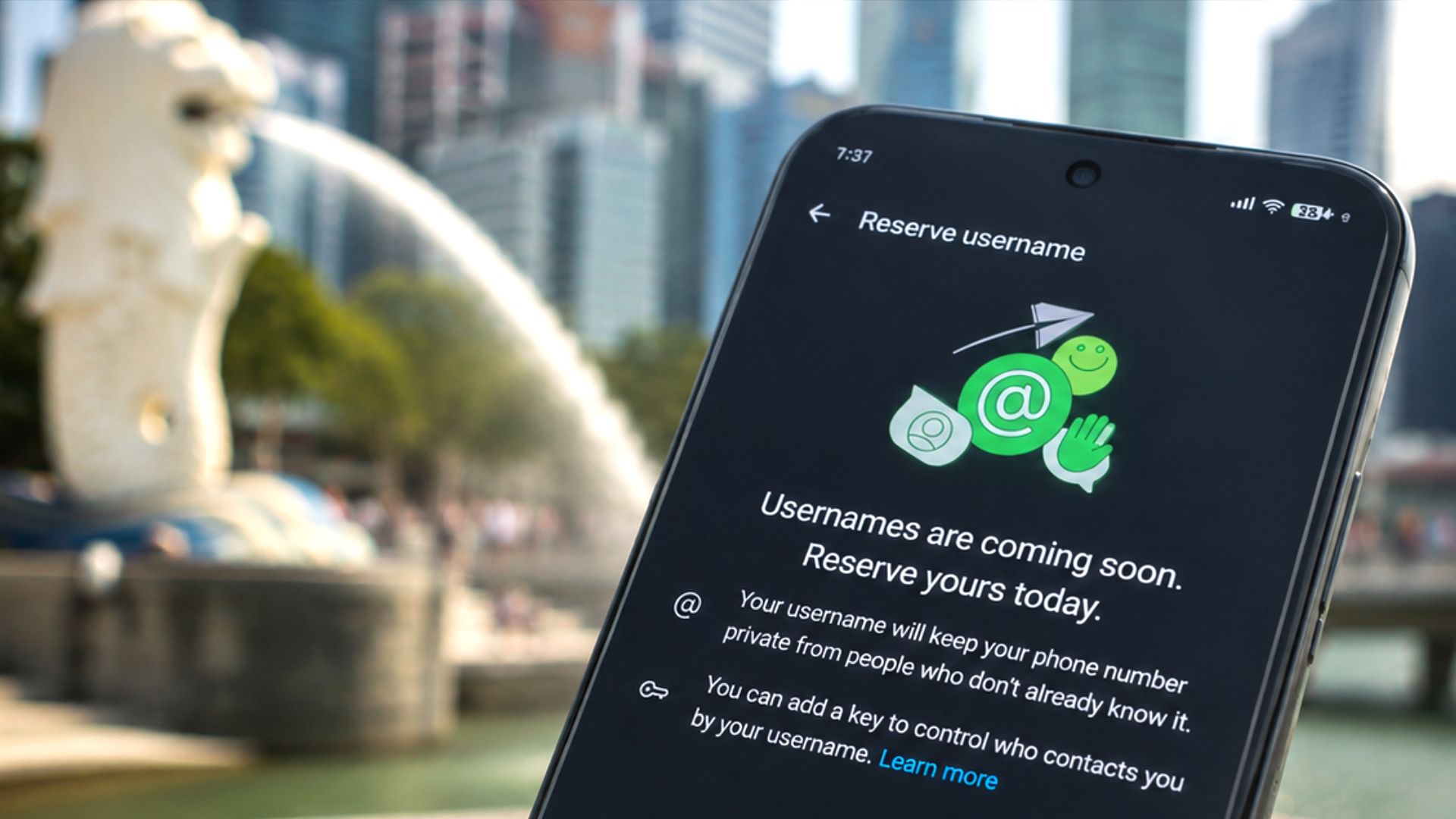

SINGAPORE: WhatsApp has started reserving high-profile usernames before rolling out its new username feature, with the names of several Singapore political leaders already blocked from public registration.
Usernames matching Prime Minister Lawrence Wong, Minister for Home Affairs K. Shanmugam, Minister for Health Ong Ye Kung, and Minister for Foreign Affairs Vivian Balakrishnan couldn’t be registered. Similar versions of those names have also been reserved.
WhatsApp’s plan is to let users connect through usernames instead of sharing their phone numbers. The reservations are meant to stop impersonation before the feature reaches users, Channel NewsAsia (CNA) reported (July 11).
Reserved usernames are to stop fake accounts
Meta-owned WhatsApp said usernames linked to public figures, government bodies and similar well-known identities have been set aside so only their legitimate owners can claim them.
The company also reserved lookalike versions of those usernames to make it harder for scammers or impersonators to create convincing fake accounts.
Users can already reserve their preferred username before the feature reaches their country. WhatsApp will notify them when the option becomes available.
Privacy feature adds extra checks for new contacts
The username system is designed to give users another way to communicate without revealing their phone numbers.
When someone receives a first message through a username, WhatsApp said it will show useful details about the sender. These include whether the account is new, already in the recipient’s contacts, shares mutual group chats, or is based in another country. This helps people decide whether the message looks trustworthy.
Users will still need a phone number to create and use a WhatsApp account, and anyone sending a message must know the recipient’s exact username.
WhatsApp also said it will limit how many new people an account can contact, prevent repeated attempts to guess usernames, and use automated systems to detect impersonation and abusive behaviour.
Scam concerns have surfaced before the rollout
The new feature has already attracted attention outside Singapore. In India, authorities have asked Meta to pause the rollout while it explains how the company will prevent fraud and impersonation.
According to India’s Ministry of Home Affairs, cyber fraud victims reported losses of about S$3.4 billion in 2025. The ministry also recorded about 2.4 million complaints, up around 24 per cent from the previous year. A verified-looking username can seem convincing, especially if it resembles a trusted public figure or organisation.
WhatsApp’s early reservation of high-profile names may not stop every scam, but it does remove one obvious opportunity for impersonators. Good security tools help, though users still need to check who they’re talking to before sharing personal details.
 Follow Google News
 Join us on WhatsApp
 Follow us on Telegram