
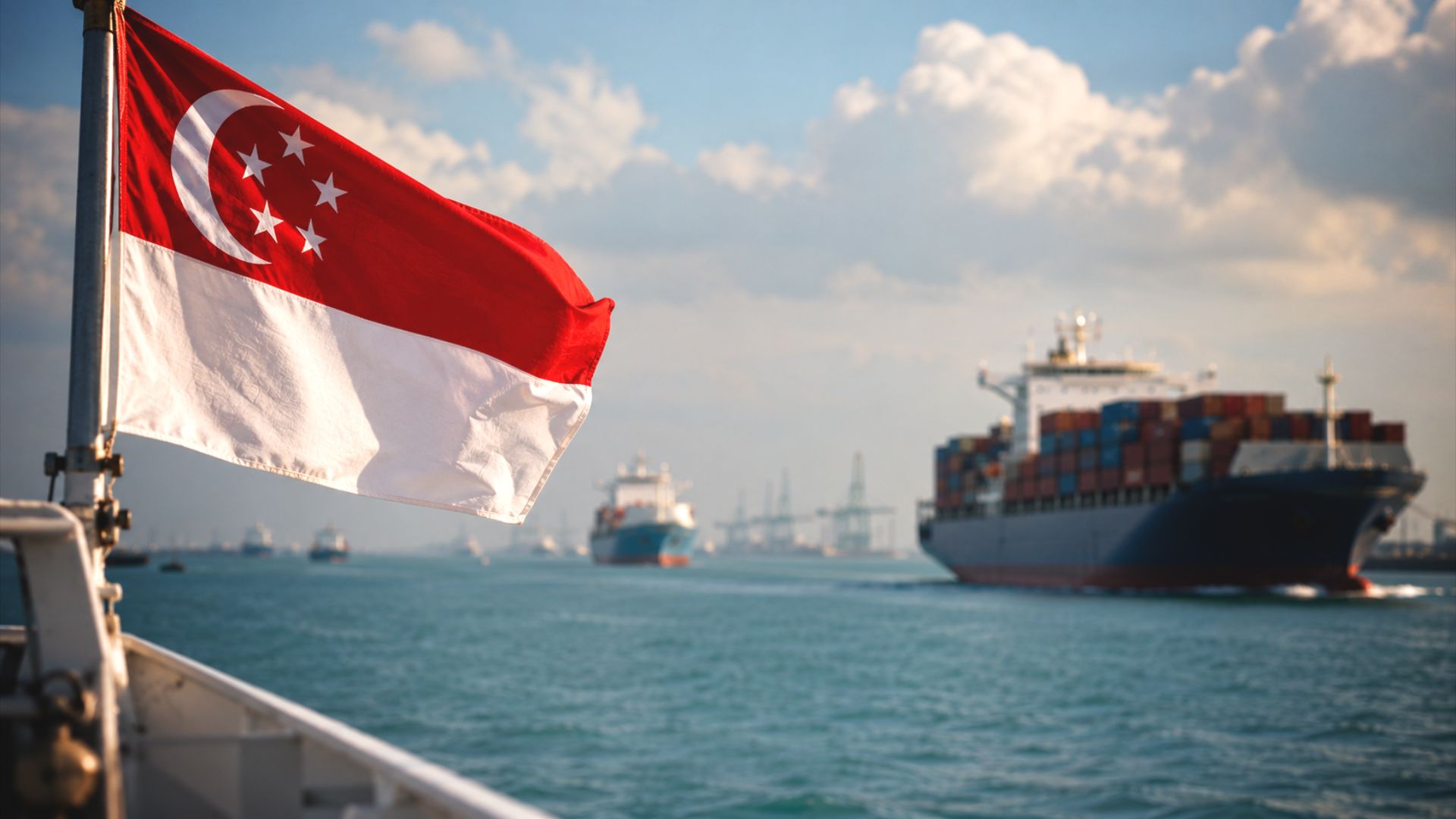

SINGAPORE: The International Maritime Organization (IMO) has adopted a Singapore-led resolution that reinforces the need to keep major international shipping lanes open, safe and accessible for commercial vessels.
The resolution, backed by 30 member states including Indonesia and Malaysia, was adopted during the IMO Council’s 137th session. It reaffirms navigational rights under international law and calls on countries to continue following global maritime rules, Channel NewsAsia (CNA) reported (July 10).
Following attacks on commercial vessels in the Strait of Hormuz, one of the world’s busiest energy routes, shipping security has been increased. As the economy depends heavily on global trade, safe sea lanes are more than just a diplomatic goal to help keep goods, food and energy moving without disruption.
Backing international shipping rules
According to the Maritime and Port Authority of Singapore (MPA), the resolution supports the right of commercial ships to pass through vital international waterways in line with the United Nations Convention on the Law of the Sea (UNCLOS).
MPA also stresses the need for countries and shipping operators to comply with IMO-adopted regulations and standards.
MPA added that the resolution reinforces the IMO’s role in supporting a stable, rules-based maritime system through international cooperation and dialogue.
Protecting seafarers and global trade
The resolution also places attention on the health, safety and well-being of seafarers, recognising their role in keeping global supply chains running.
MPA said Singapore has long supported international law and an open, predictable maritime environment. The authority added that a rules-based system helps protect uninterrupted trade, stronger supply chains, and food and energy security for trade-dependent economies such as Singapore.
Security risks keep vital trade routes under scrutiny
Shipping traffic through the Strait of Hormuz has slowed following Iranian attacks on commercial vessels and retaliatory US strikes on Iran. The renewed security concerns give added weight to the IMO resolution.
Although an interim truce signed on June 17 reopened the waterway, the route has stayed under close watch. Before the conflict earlier this year, the strait carried about one-fifth of the world’s oil supplies.
The IMO resolution doesn’t change the security situation on its own. It does, however, send a united signal from member states that international shipping should stay protected under established global rules.
Singapore may not be able to control events far beyond its shores, but it can continue building support for shared rules that keep trade moving. For a nation that relies on open sea routes every day, this steady approach may be one of its strongest contributions.
 Follow Google News
 Join us on WhatsApp
 Follow us on Telegram