
Singapore and Indonesia pledge to keep Strait of Malacca ‘accessible’ to all as Iran’s Strait of Hormuz transit fees raise tensions over global oil shipping

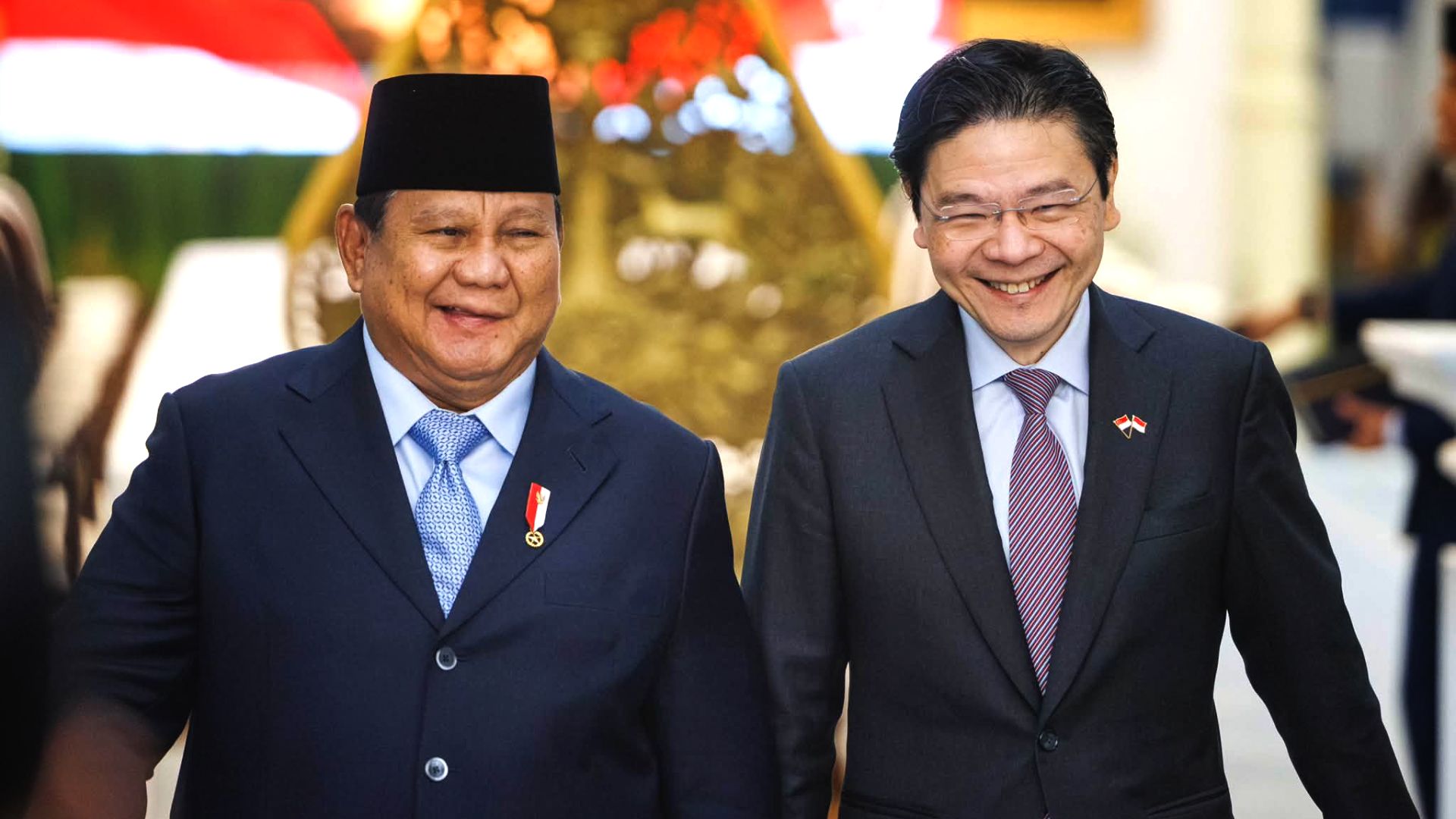
Prime Minister Lawrence Wong (right) at the Singapore-Indonesia Leaders' Retreat in Jakarta with President Prabowo Subianto (left)
SINGAPORE/INDONESIA: Singapore and Indonesia have pledged to keep the Strait of Malacca safe, open, and accessible to all for international shipping, even as new tensions in the Middle East raise concerns over global trade and energy supplies.
Speaking after the second Singapore-Indonesia Leaders' Retreat in Jakarta, Prime Minister Lawrence Wong said both countries share a strategic responsibility because they sit along the Strait of Malacca, one of the world's busiest shipping routes.
The commitment follows recent uncertainty over the Strait of Hormuz, where Iran has proposed charging a fee for ships transiting the waterway after months of conflict in the region. Although shipping has resumed following a pause in hostilities, the episode renewed concerns about how disruptions to key sea lanes could affect economies across Asia, Channel NewsAsia reported (July 6).
Keeping one of the world's busiest sea lanes open
Mr Wong said Singapore and Indonesia share the same goal of protecting freedom of navigation and ensuring that ships can continue to move through the Strait of Malacca without obstruction.
The Singapore Prime Minister said both countries support international navigation rights under the United Nations Convention on the Law of the Sea (UNCLOS) and will continue helping keep the waterway safe, secure and open to all.
Indonesian President Prabowo Subianto echoed that position. He said peace and security in the strait must be protected while preventing pollution, accidents and piracy.
Mr Prabowo added that Indonesia will continue coordinating with Malaysia and Thailand because keeping the strait open is a shared responsibility among countries bordering the waterway.
Middle East tensions renewed attention on regional shipping
The Strait of Malacca carries a huge share of global trade and energy between the Indian and Pacific oceans. Any disruption could affect supply chains, shipping costs and fuel prices across Asia.
The discussion gained urgency after conflict in the Middle East disrupted traffic through the Strait of Hormuz, another vital energy route.
Earlier this year, Indonesia's Finance Minister Purbaya Yudhi Sadewa suggested charging a fee for ships using the Strait of Malacca, saying the idea was inspired by Iran's proposed transit fees for the Strait of Hormuz. He later withdrew the suggestion after Singapore and Indonesia reaffirmed that freedom of passage should be maintained.
The subject was also discussed at the recent ASEAN Summit, where regional leaders backed the right of ships to transit international waters under UNCLOS.
Supply chains remain a shared priority
Beyond shipping security, both governments said they want to strengthen supply chain resilience against future global shocks.
Deputy Prime Minister and Minister for Trade and Industry Gan Kim Yong and Indonesia's Coordinating Minister for Economic Affairs Airlangga Hartarto also issued a joint statement expressing concern about the Middle East conflict and its impact on global stability.
Newsletter
Get updates straight to your inbox
They called on all parties to respect the ceasefire, uphold international transit rights through the Strait of Hormuz and move faster to ratify ASEAN agreements that strengthen regional economic resilience.
Protecting regional trade and supply chains
Singapore's economy depends heavily on global trade and uninterrupted shipping. Any disruption to major sea routes can raise transport costs, delay goods and add pressure to businesses and consumers.
The joint message from Singapore and Indonesia signals that both countries want to avoid similar uncertainty in Southeast Asia and reassure global shipping companies that the Strait of Malacca will stay open for international trade.
Keeping that commitment also strengthens ASEAN's long-standing position that international disputes should be settled through dialogue rather than actions that restrict global commerce.
Singapore can't control conflicts elsewhere, but it can work closely with neighbouring countries to protect the sea lanes that keep trade moving. Steady cooperation is a big part of keeping the region stable when tensions rise abroad.