

SINGAPORE: The Energy Market Authority (EMA) announced on Tuesday (June 30) that electricity and gas tariffs in Singapore will be higher from July to September 2026. This is due to higher natural gas prices across the globe, which continue to affect the city-state’s energy costs.
“As a small city-state, Singapore is highly dependent on imports for our energy needs. Imported natural gas accounts for 95% of our electricity production, and is also the main feedstock for the production of town gas,” the EMA said.
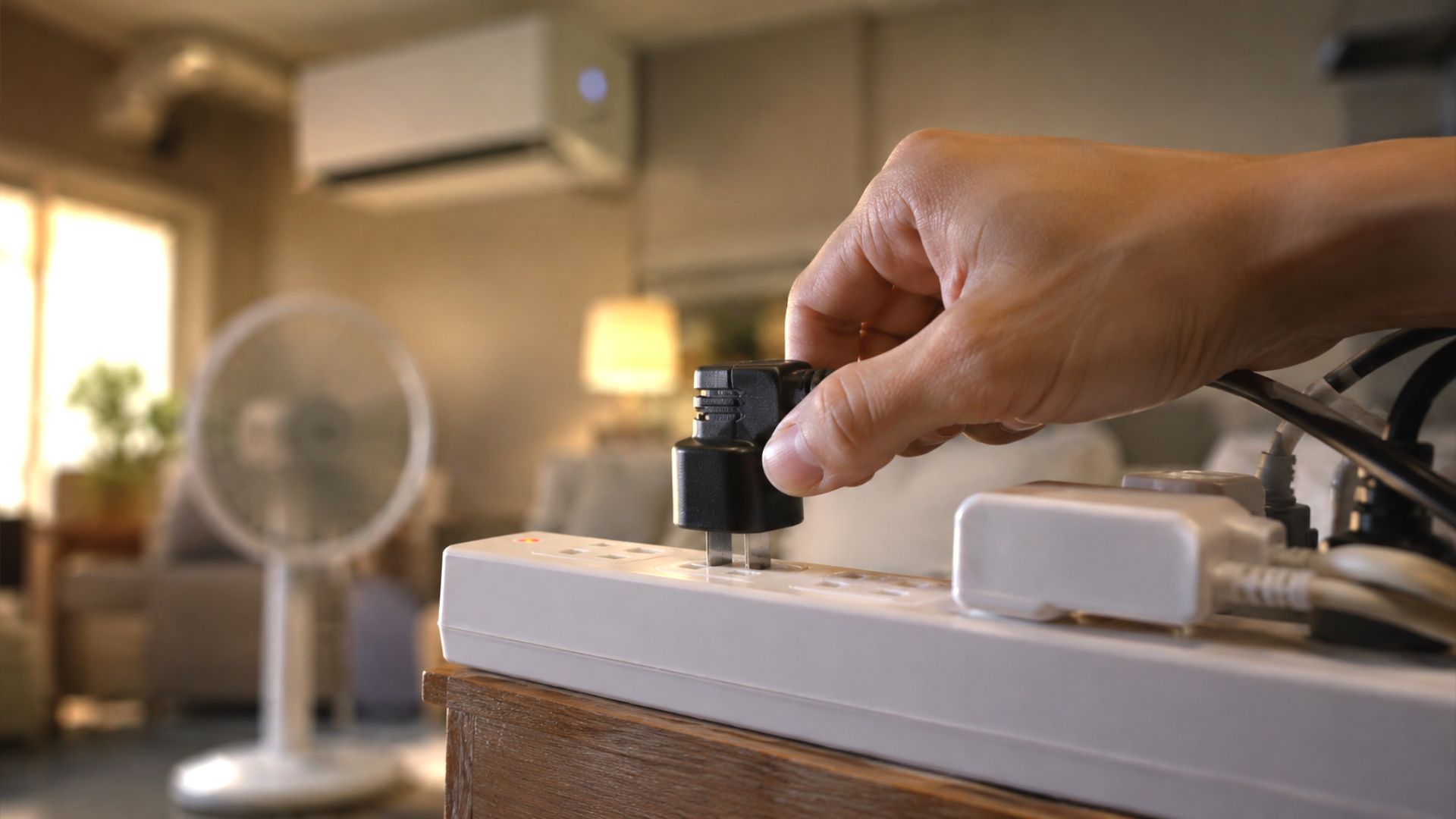
With higher electricity and gas tariffs, the authority urged households to conserve energy by using air-conditioners at moderate temperatures, switching off unused appliances, and choosing energy-efficient products to reduce bills and strengthen Singapore’s energy resilience. Since the current conflict in the Middle East, which began when the United States and Israel began bombing Iran on Feb 28, natural gas prices have surged and directly impacted the cost of supplying energy in Singapore.
While prices have somewhat moderated since the US and Iran signed a Memorandum of Understanding with regard to ending the conflict, the natural gas market remains highly volatile.
The EMA explained that electricity and town gas tariffs are reviewed each quarter and are based on natural gas prices recorded during the first two-and-a-half months of the previous quarter. For the July to September tariff period, prices from April to mid-June were used.
Therefore, as gas prices remained elevated throughout much of that period, consumers will see higher tariffs in the third quarter.
In its statement, the EMA also noted that while there was a tariff increase for April to June, this only reflected a limited portion of the fuel price surge that covered the period from late February to mid-March, when the Middle East conflict first began affecting energy markets. The latest adjustment, therefore, captures a fuller impact of the higher fuel costs.
Furthermore, while the EMA noted that the outlook is still uncertain, if conditions in the Middle East improve, resulting in a decrease in the prices of fuel, this could cause electricity and gas tariffs to decline in the final quarter of the year.
The authority also said that households may keep on buying electricity at the regulated tariff through the SP Group or through retailers that offer fixed-price, discount-based, or time-of-use plans. It warned, however, that consumers on retail contracts may face higher renewal rates during the current period of elevated fuel prices and encouraged them to choose the best electricity supply option for them by comparing available plans at EMA’s Price Comparison website at https://compare.openelectricitymarket.sg. /TISG
Read related: Household electricity prices rise by over 10%; nervous Singaporeans ask if and when they’ll come down
 Follow Google News
 Join us on WhatsApp
 Follow us on Telegram