
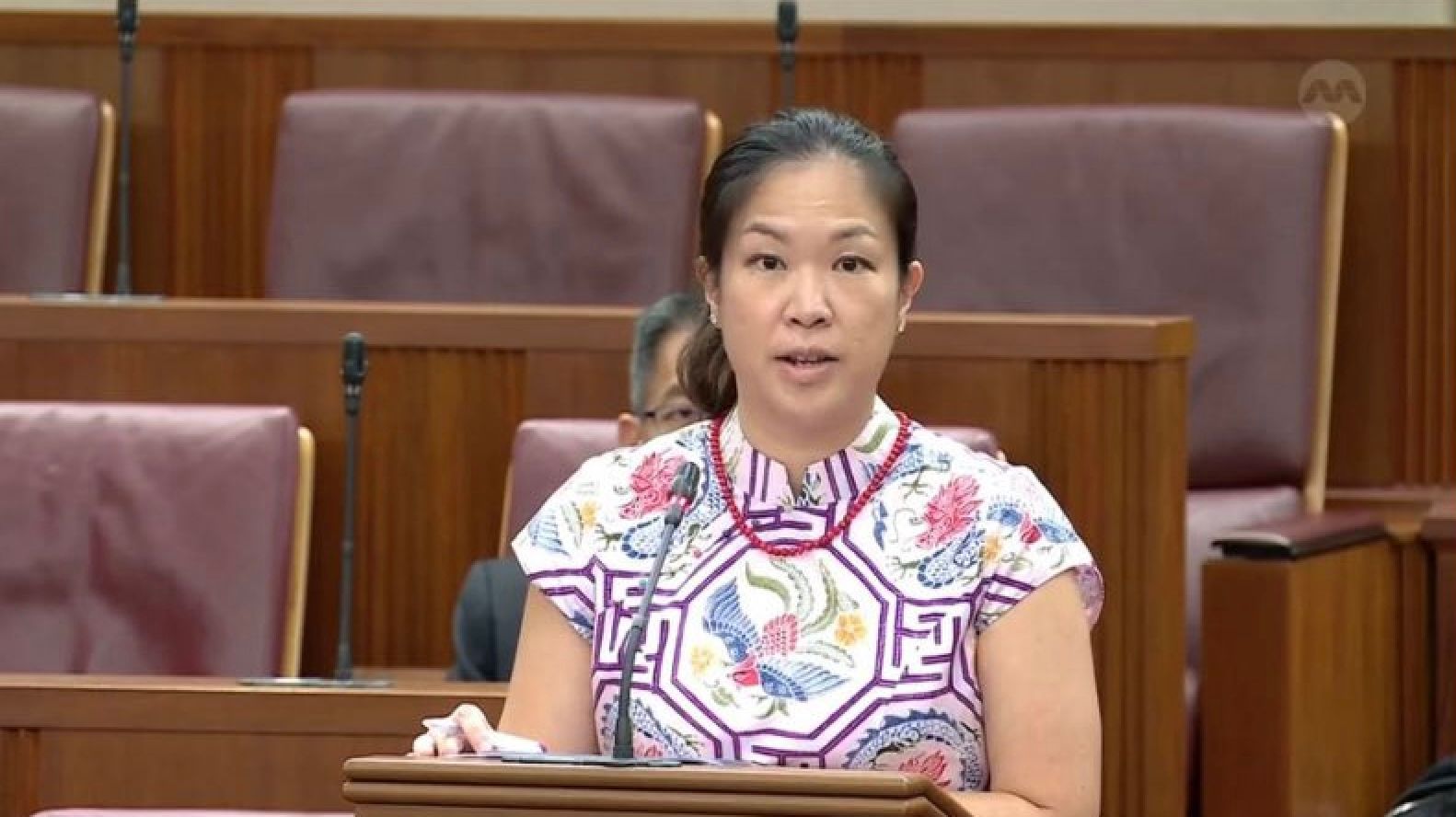

SINGAPORE: While Workers’ Party MP He Ting Ru (Sengkang) supported the Bill that created the new Skills and Workforce Development Agency, she said in a speech on May 5 that the SWDA must be “people-centric.”
One of her main points was calling for stronger KPIs and transparent outcome tracking, as she questioned whether SkillsFuture Credits end with meaningful outcomes for Singaporeans, and are not just about course participation.
“There was a rush by many Singaporeans to redeem their expiring SkillsFuture Credits last year. Yet, were these credits utilised for courses and programmes that genuinely improved our people’s employability or offer positive contributions to personal growth and development that trickle into other life domains?” she asked.
The MP cited a forum letter to the Straits Times where the sender expressed concerns over some SkillsFuture courses that were too expensive, had poor learning outcomes, and “laughable” assessments.
She pointed out that while SSG-funded courses are assessed using participant-surveyed Training Quality and Outcomes Measurement (TRAQOM) framework, this may be insufficient in evaluating how effective the courses are in helping workers’ employability.
Ms He said that objective metrics such as longer-term post-course employment status are needed for measuring employment outcomes, adding that the government could use CPF data to determine the effectiveness of SkillsFuture courses.
“While it can be argued that having these schemes are reflective of a government willing to invest in building the capabilities of its people, the jury is still out on their return on investment without sufficient publicly available data,” said the MP, adding that the manifesto of the WP includes calls for the effectiveness of SkillsFuture and Career Coaching Programmes to be tracked, as well as for clear KPIs to be published by the government.
This could include take-up rate, duration of employment, and post-training placement.
“Having public data allows the public to know about the effectiveness of their schemes and will aid to pinpoint potential areas for improvement,” said Ms He in her speech.
What Singaporeans are saying
After Ms He posted a clip of her speech on Facebook, many commenters appeared to agree with the points she made, saying they also had concerns over the courses offered.
Some opined that the courses were more beneficial for the schools than for the participants, with one writing that the course providers were the “biggest winners.”
Another wrote, “I attended the EV car course. After that, it apparently does not help in employability but only for general knowledge. So, in such a critical situation, whereby being employed & bringing food to the table…, the top priority is to ensure people get employed first.”
“There are also many vendors standing outside supermarkets such as NTUC, offering courses that attendees can pay for using SkillsFuture credits and promising jobs after attending the courses… Can the authorities authenticate the actual quantity of such conversion rates of attendees getting employed after the course and how many of them lasted in the new job for more than 6months?” a Facebook user asked.
“But a Class 4 driving licence is not in SkillsFuture, which is more important and relevant for Singaporeans,” wrote another. /TISG
Read also: Govt agencies defend ridiculed SkillsFuture toilet cleaning courses
 Follow Google News
 Join us on WhatsApp
 Follow us on Telegram