
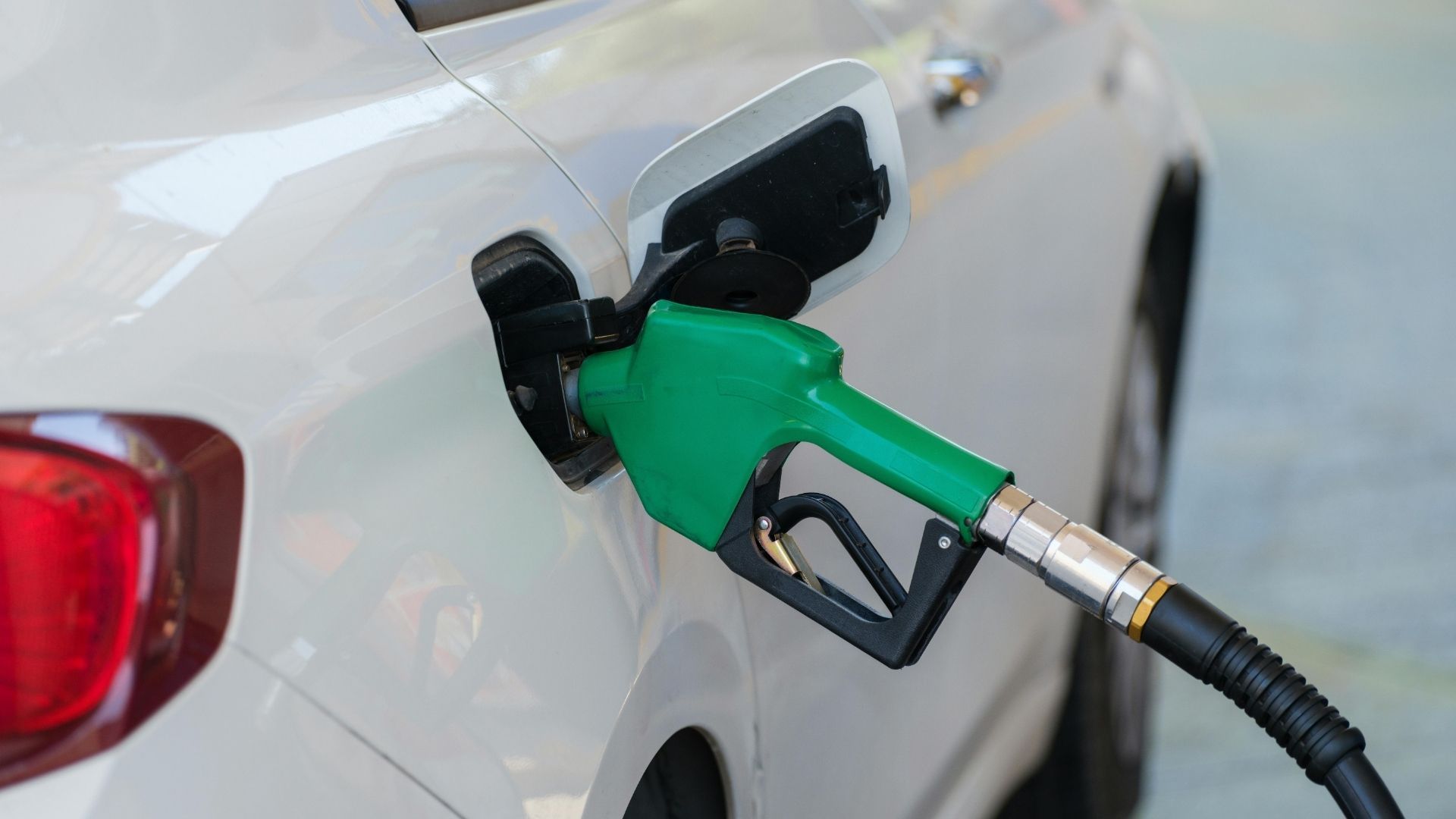

MALAYSIA: Due to the extensive discussions surrounding subsidy rationalisation, Prime Minister Anwar Ibrahim recently stated that the proposal for targeted RON95 subsidy rationalisation is still being refined by the National Economic Action Council’s Crisis Management Task Force. This includes discussions on whether the rationalisation should apply to the T5, T10, T15, or T20 income groups, as reported by New Straits Times.
It is also important to note that the proposal to reduce the subsidised fuel quota from 200 litres to 150 litres should not be regarded as a confirmed new policy, as the matter was taken out of context, according to Deputy Finance Minister Liew Chin Tong. As reported by Free Malaysia Today, he clarified through his social media post that, “It’s unfortunate that what I said was taken out of context.”
It is widely understood that the government is currently facing significant challenges due to the increasingly costly and difficult global oil price environment. Nurhisham Hussein, economic adviser at the Prime Minister’s Office, stated that the subsidy burden amounts to approximately RM2,300 every second.
The monthly subsidy total reached RM6 billion in March before increasing to RM7 billion in April, and Nurhisham acknowledged that spending at this level is not sustainable in the long term.
Consequently, the government’s fuel subsidy bill has risen to RM8.28 million per hour, or approximately RM200 million per day, as the ongoing Middle East conflict continues to push global crude oil prices well above the levels budgeted for this year.
Subsidies may no longer be a sustainable option if they are not properly targeted towards those who need them most. Hence, if this transition is to take place, it must be carefully managed, as upper-middle-income households, particularly those living in urban areas, may still face rising living costs despite not qualifying for direct support.
A wrong assessment or policy judgement may cause higher-income earners to fall into the middle-income category due to increasing financial pressures.
The challenge is real, and the public may need to embrace change should subsidy rationalisation become unavoidable in ensuring the country’s long-term fiscal sustainability.
 Follow Google News
 Join us on WhatsApp
 Follow us on Telegram